Description
The site was first recognized in the late 1930s when Dr. Mary Leakey conducted excavations that revealed tools, pottery, and burial mounds dating back to the Late Stone Age and Iron Age. These discoveries turned Hyrax Hill into one of Kenya’s most important archaeological landmarks. Today, it’s managed by the National Museums of Kenya and continues to attract both scholars and curious travelers who want to see where it all began.
What makes Hyrax Hill special isn’t just the artifacts—it’s the sense of connection you feel when you walk its trails. You can almost picture the Sirikwa people who once built their homes here, tending to livestock and shaping tools from volcanic rock. There’s a small but well-curated museum on-site that showcases stone tools, pottery fragments, and models of ancient settlements. It’s simple, yes, but deeply moving. I remember chatting with a local guide who said, “These stones have seen more than we ever will.” That stuck with me.
For travelers, Hyrax Hill offers a calm, reflective experience. It’s not crowded or commercialized, and that’s part of its charm. You can take your time exploring the rocky ridges, soaking in the views of Lake Nakuru, and imagining what life must have been like for the people who called this hill home thousands of years ago. It’s history you can feel under your feet.
Key Features
One of the underrated features here is the tranquility. Unlike the busier parks and reserves, Hyrax Hill has this peaceful energy that lets you slow down and actually listen—to the wind, to the birds, and maybe even to the echoes of the past. It’s the kind of place where you can take a deep breath and just be.
Best Time to Visit
If you’re planning a visit, the best time to explore Hyrax Hill is during the dry seasons—roughly from June to September and again from December to February. The trails are easier to walk when the ground isn’t muddy, and the skies are usually clear, offering stunning views of Lake Nakuru and the surrounding escarpments. Morning visits are particularly magical; the light is soft, the air is crisp, and you might even spot wildlife in the distance.
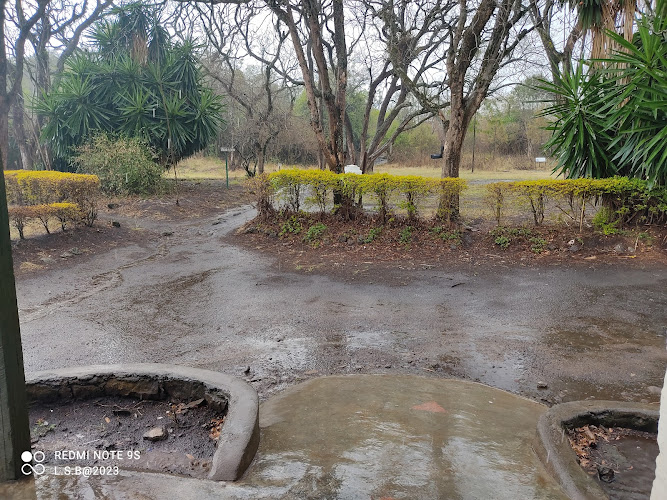
That said, there’s something to be said for visiting during the green season too. The landscape turns lush, and the contrast between the greenery and the volcanic rocks is striking. Just wear good shoes, because the paths can get slippery after rain. Personally, I love the smell of wet earth up there—it’s grounding, in every sense of the word.
How to Get There
Hyrax Hill sits just a few kilometers from the center of Nakuru town, making it one of the most accessible archaeological sites in Kenya. If you’re driving from Nairobi, it’s about a two-hour journey along the main highway toward Nakuru. The road is generally in good condition, and once you reach Nakuru, local signage points you toward the site.
For those without a car, taxis and boda-bodas (motorbike taxis) are easy to find in Nakuru town. Some hotels even offer guided day trips that include transportation and a tour of the museum. If you’re the kind who enjoys local experiences, hop on a matatu from Nakuru town center—it’s cheap, a bit chaotic, but definitely memorable. Just ask the driver to drop you near Hyrax Hill Museum.
Parking is available at the site, and the entry fees are quite reasonable. It’s worth checking the museum’s opening hours before you go, though—they can vary slightly depending on the season and public holidays.
Tips for Visiting
Visiting Hyrax Hill isn’t like visiting a typical tourist attraction—it’s more of a journey through time. Here are a few tips to make the most of your trip:
- Wear comfortable shoes: The terrain is a mix of rocky paths and grassy slopes, so sturdy walking shoes are a must.
- Bring water and sunscreen: The sun can be intense, especially around midday, and there aren’t many shaded areas.
- Hire a guide: The guides here are passionate storytellers who bring the site’s history to life. Trust me, you’ll see the place differently after hearing their insights.
- Take your time: Don’t rush through. Sit for a while, look around, and imagine what life was like here thousands of years ago.
- Respect the site: Remember, this is a protected heritage area. Avoid touching or moving any artifacts you might come across.
- Bring a camera: The views are incredible, especially during sunrise or sunset. Just be mindful not to disturb the natural setting.
A small personal tip—if you can, visit on a weekday morning. It’s usually quiet, and you might have the place almost to yourself. I once spent an hour sitting on one of the ridges, watching the light change over Lake Nakuru, and it was one of the most peaceful experiences I’ve had in Kenya. There’s something humbling about standing in a place that has witnessed millennia of human history and realizing how small our own moment in time really is.
Hyrax Hill may not be as famous as the Maasai Mara or the Great Rift Valley viewpoints, but it holds a quiet power that stays with you long after you’ve left. It’s a reminder that Kenya’s story isn’t just about wildlife and landscapes—it’s also about people, their beginnings, and the traces they left behind. Whether you’re a history buff, a photographer, or just someone who loves discovering places with soul, Hyrax Hill deserves a spot on your travel list.