
Hortobágyi National Park
About Hortobágyi National Park
Hortobágyi National Park is not the kind of place you rush through. Stretching across a whopping 800 square kilometers of the Great Hungarian Plain, it’s the country’s largest protected area and the first to earn national park status back in 1973. The landscape is famously flat—so flat that on a clear day it feels like the sky has its own horizon. And while some folks might miss the drama of mountains, there’s something almost meditative about the endless grasslands, known as the Puszta, with their swaying reeds and open skies.
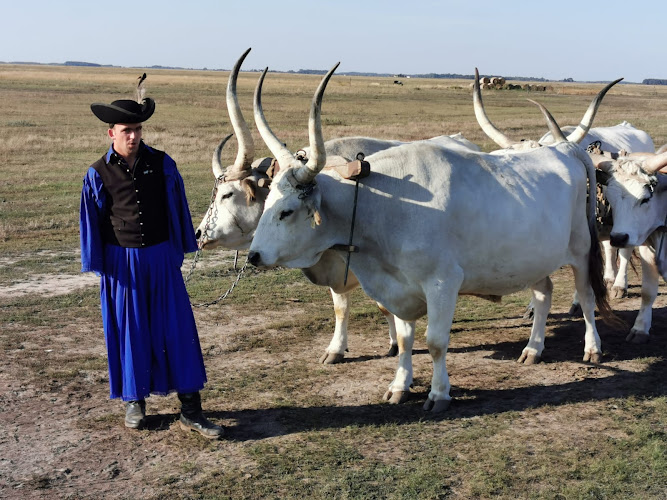
What really sets this park apart is its mix of natural beauty and living culture. This isn’t just a “look but don’t touch” nature reserve—it’s also home to traditional Hungarian shepherding, complete with grey cattle, racka sheep with those wild corkscrew horns, and horses that seem built for the wind. In autumn, the park transforms into a stage for one of Europe’s great wildlife spectacles: the migration of tens of thousands of cranes. I still remember standing there on a chilly October evening, hands wrapped around a thermos of tea, as wave after wave of birds passed overhead. It’s the kind of moment that makes you forget your phone exists.
Of course, not everything here is perfect. If you’re expecting manicured trails and constant facilities, you might be a little surprised—this is a working landscape, and that’s part of its charm. The facilities that are here, though, are thoughtfully placed: picnic tables under shady spots, clean public restrooms, and even a playground for younger visitors. Accessibility is generally good, with wheelchair-friendly entrances and parking, though some of the more remote paths can be tricky after rain.
Key Features
- Largest national park in Hungary, covering 800 km²
- Part of the UNESCO World Heritage Site listing for the Puszta
- Known for the autumn migration of cranes, drawing birdwatchers from across Europe
- Traditional Hungarian shepherd culture still actively practiced
- Vast grasslands, wetlands, and fishponds supporting over 340 bird species
- Kid-friendly amenities including playgrounds and easy hiking trails
- Dog-friendly, so your four-legged travel buddy can join
- Wheelchair accessible entrances and parking
- Picnic areas and public restrooms available
- Accepts credit cards, debit cards, and NFC mobile payments
Best Time to Visit
If you’re here for the cranes, there’s no debate—late September to early November is prime time. The air turns crisp, the light gets that golden quality photographers dream about, and the skies fill with the sound of migrating birds. I’ve been in summer too, and while it’s beautiful, the heat can be relentless, with temperatures often soaring above 30°C. Spring brings wildflowers and a burst of bird activity, while winter, though quieter, has its own stark beauty—frosty mornings and frozen wetlands that feel like a different world altogether.
For most travelers, spring and autumn strike the best balance between comfortable weather and interesting wildlife activity. But if you don’t mind bundling up, winter means fewer crowds and a chance to see the park in a whole new light.
How to Get There
The park sits in eastern Hungary, and while it’s not exactly on the main tourist circuit, it’s surprisingly easy to reach if you plan ahead. From Budapest, it’s about a two-and-a-half-hour drive, mostly on smooth highways. Trains run to nearby towns like Debrecen, from where you can catch a bus or arrange a local taxi to the park’s visitor center. I’ve done the train-and-bus combo before—sure, it takes longer than driving, but it’s a nice way to see the countryside without having to focus on the road.
If you’re coming with your own car, parking is straightforward, and the main entrances are signposted. Cyclists sometimes tackle the journey too, especially those on long-distance tours of the Great Plain, but be warned: the wind out here can be brutal.
Tips for Visiting
First off, bring binoculars. Even if you’re not a hardcore birder, you’ll kick yourself if you can’t get a closer look at the wildlife. And don’t just stick to the main paths—some of the best moments happen when you wander a little (within the rules, of course) and stumble onto a quiet marsh or a herd of grazing cattle.
Wear layers. The weather can flip from sunny and warm to chilly and windy in the space of an hour. Comfortable walking shoes are a must, especially if you plan to explore beyond the visitor areas. If you’re visiting in autumn for the cranes, aim for late afternoon—there’s something magical about watching them return to roost as the sun sets.
Pack snacks or even a picnic. Yes, there are picnic tables, and yes, sitting down to eat under that huge sky is every bit as good as it sounds. If you’re traveling with kids, the playground is a nice break between walks, and the easy trails mean they can join in without too much fuss.
And one last thing—don’t rush. This is a place that reveals itself slowly. Give it the time it deserves, and you’ll leave with more than just photos. You’ll leave with that rare feeling of having stepped, even briefly, into a different rhythm of life.
Key Features
- Largest national park in Hungary, covering 800 km²
- Part of the UNESCO World Heritage Site listing for the Puszta
- Known for the autumn migration of cranes, drawing birdwatchers from across Europe
- Traditional Hungarian shepherd culture still actively practiced
- Vast grasslands, wetlands, and fishponds supporting over 340 bird species
- Kid-friendly amenities including playgrounds and easy hiking trails
- Dog-friendly, so your four-legged travel buddy can join
- Wheelchair accessible entrances and parking
You Might Also Like
"Felszabadulási" emlékmű
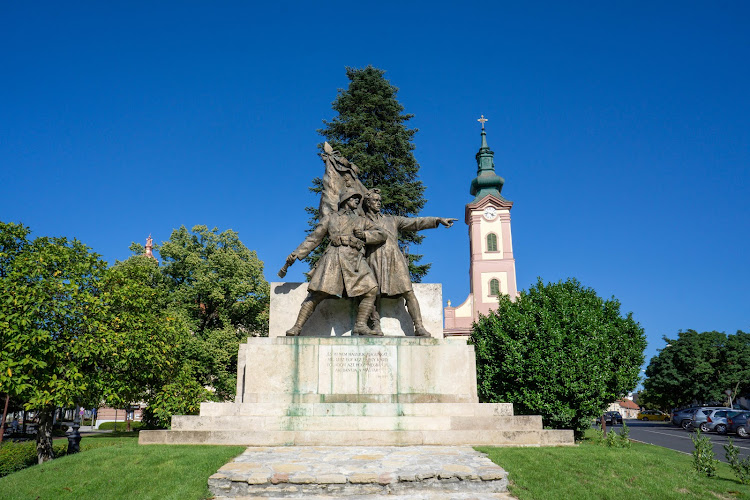
48. Gyalogezred emlékműve

A II. Világháború Áldozatainak Emlékműve
Tours & Activities
GetYourGuide provides this tour inventory. We may earn a commission if you book through it; verify current availability, prices, and terms with the provider.
Visitor Reviews
There are no reviews yet. Be the first one to write one.
Share Your Experience
Have you visited Hortobágyi National Park? Help other travelers by leaving a review.