
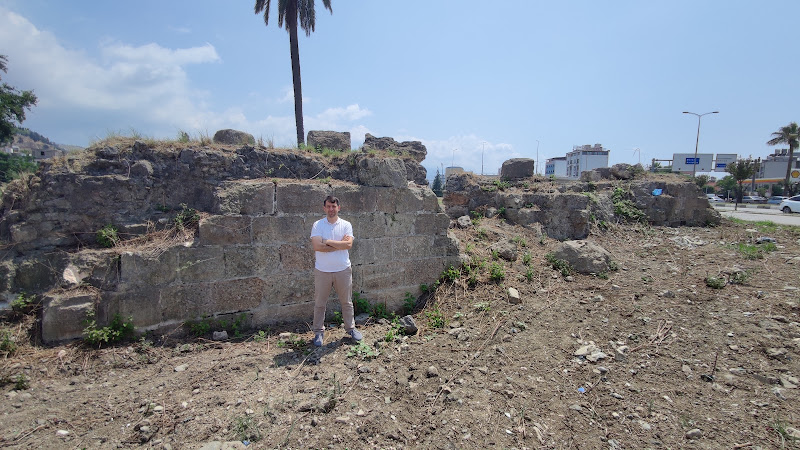
Historical Port Remains
About Historical Port Remains
Tucked away along the Mediterranean coast, the Historical Port Remains tell stories that time almost forgot. Standing before the weathered stones and silent arches, one can almost hear the echoes of merchants bargaining, sailors shouting, and ships creaking against the waves. It’s not a place that tries to impress with grandeur—it’s more subtle, more soulful. Every chipped stone feels like it’s been touched by a thousand hands, and that’s what makes it so captivating.
I remember my first visit here on a cloudy afternoon. The air smelled faintly of salt and old wood, and I caught myself wondering how many centuries had passed since the last cargo ship left these docks. The site isn’t polished or overly restored, which is part of its charm. You get the sense that what you’re seeing is real—untouched history, not a staged museum piece. Some travelers might find it a bit rugged, but that’s the beauty of it. It’s history in its raw form, unfiltered and honest.
Families often stroll through with curious kids asking endless questions, and honestly, it’s a great spot for that. There’s a certain magic in watching children run their fingers along ancient stones, imagining pirates or explorers. The place has an educational feel without being boring—it’s like walking through a live storybook. And even though it’s not crowded, you’ll likely see a few locals sitting quietly, maybe sipping tea, as if they too are listening to the whispers of the past.
Of course, not every visitor leaves in awe. Some expect grander ruins or more facilities, and I get that. It’s not flashy. But if you’re the kind of traveler who values authenticity over gloss, this place will speak to you. The Historical Port Remains are a reminder that history doesn’t always shout—it sometimes just hums softly, waiting for you to listen.
Key Features
- Ancient stone foundations and remnants of port structures that date back centuries.
- Scenic coastal views offering perfect photo opportunities, especially at sunset.
- Quiet, uncrowded atmosphere for reflective walks or peaceful exploration.
- Accessible pathways suitable for families with children.
- Nearby local eateries serving traditional Turkish dishes for a post-visit meal.
- Interpretive signs and plaques explaining the historical significance of the site.
- Opportunities for amateur photographers and history enthusiasts to explore freely.
Best Time to Visit
If you ask me, the best time to wander through the Historical Port Remains is during spring or autumn. The weather is mild, the sea breeze feels just right, and the sunlight gives the stones a golden glow that’s almost poetic. Summer can get pretty hot—especially around midday—so early mornings or late afternoons are your best bet then. Winter has its own charm too; the quieter atmosphere and cool air make it feel even more ancient somehow, though you might want to bring a light jacket.
And if you’re into photography, aim for that golden hour. The light hits the ruins just right, casting long shadows that make the old stones come alive. I once spent nearly an hour trying to capture the perfect shot of a crumbling archway—never quite got it, but that’s part of the fun. Every visit feels a bit different depending on the season and the light.
How to Get There
Reaching the Historical Port Remains is fairly straightforward. Most travelers arrive by car or local taxi from the nearby town center. The roads are well-maintained, though parking can be a bit tricky on weekends when locals come for a stroll. If you prefer public transport, local minibuses run regularly and stop within walking distance. And honestly, the walk itself is part of the experience—you’ll pass through charming streets, catch glimpses of the sea, and maybe even spot a fisherman mending his nets along the way.
For those who enjoy cycling, the route is manageable and quite scenic, especially in the cooler months. Just make sure to bring water and maybe a hat; the sun here doesn’t play around. And if you’re staying nearby, consider walking early in the morning—the quiet roads and sea air make for a refreshing start to the day.
Tips for Visiting
Here’s the thing about places like this—they reward curiosity. Don’t rush through. Take your time to notice the small details: the worn carvings, the texture of the stones, the way the sea breeze whistles through the ruins. Bring comfortable shoes; the ground can be uneven in spots. And if you’re traveling with kids, turn it into a little adventure. Let them imagine what life was like here centuries ago—it’s a fun and surprisingly educational way to spend an afternoon.
Try to visit on a weekday if possible. Weekends can bring small groups, though it’s never overly crowded. Bringing a bottle of water is a must, and if you plan to stay for sunset, maybe pack a light snack. There aren’t many vendors nearby, which is both a blessing and a curse—it keeps the site peaceful but means you’ll need to come prepared.
Photography enthusiasts should keep an eye on the light; morning and evening hours are the best. And if you’re into journaling or sketching, bring your notebook. There’s something about sitting by the ruins, hearing the gentle crash of waves, that sparks creativity. I’ve written some of my favorite travel notes here, just sitting on a stone wall watching the sea.
Lastly, respect the site. It’s old—really old—and while it might look sturdy, some parts are fragile. Avoid climbing on the structures or touching delicate carvings. Remember, this place has survived centuries; let’s help it survive a few more.
All in all, the Historical Port Remains aren’t just a destination—they’re an experience. A quiet, reflective, and deeply human one. Whether you’re a history buff, a casual traveler, or just someone looking for a peaceful spot by the sea, this place has a way of staying with you. It’s not about grandeur—it’s about connection, and that’s something every traveler can appreciate.
Key Features
- Ancient stone foundations and remnants of port structures that date back centuries.
- Scenic coastal views offering perfect photo opportunities, especially at sunset.
- Quiet, uncrowded atmosphere for reflective walks or peaceful exploration.
- Accessible pathways suitable for families with children.
- Nearby local eateries serving traditional Turkish dishes for a post-visit meal.
- Interpretive signs and plaques explaining the historical significance of the site.
- Opportunities for amateur photographers and history enthusiasts to explore freely.
Tours & Activities
GetYourGuide provides this tour inventory. We may earn a commission if you book through it; verify current availability, prices, and terms with the provider.
Visitor Reviews
There are no reviews yet. Be the first one to write one.
Share Your Experience
Have you visited Historical Port Remains? Help other travelers by leaving a review.