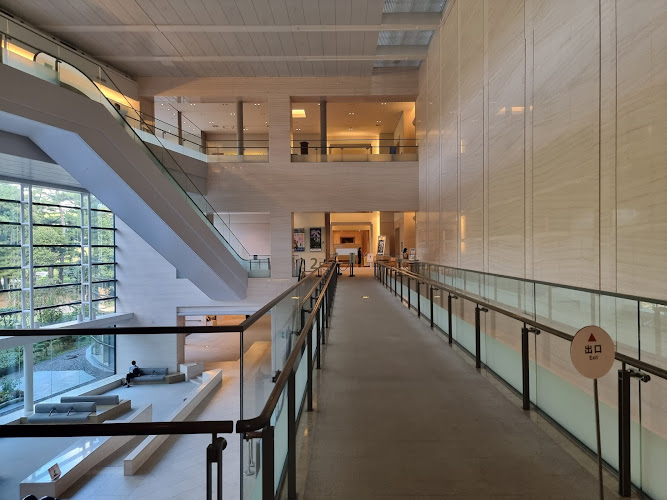
It is a museum that leans into regional creativity — often spotlighting artists from the Chūgoku region alongside carefully chosen national and international works. The building sits near the civic heart of Naka Ward and offers a calm contrast to the busier tourist sites nearby. Inside, galleries range from permanent collections to changing exhibitions, and visitors can expect a mix of painting, sculpture, prints and occasional modern installations. A small but well-tended garden sits beside the museum, and when the light is right (usually late afternoon), the place takes on a peaceful, almost cinematic calm. People come for the art, but many linger for the garden and the museum café — it’s one of those spots that rewards slow visits.
The museum’s shop stocks tasteful reproductions, books, and locally made crafts. The restaurant serves simple meals and drinks — not haute cuisine, but honest, satisfying fare that pairs well with an afternoon of looking at art. Onsite services are straightforward: there are restrooms, a kid-friendly changing table, and clear provisions for visitors with mobility needs. Wheelchair accessible entrances, an accessible parking lot, and accessible restrooms make the site genuinely usable for most visitors, which is a big deal and worth mentioning. Staff can also assist with basic visitor requests on site.
It is not a massive museum, and that’s part of its charm. The proportions are human-scaled: galleries that can be walked through without needing a map, and exhibitions that feel curated rather than crowded. For travelers who like to probe beneath the surface, the museum is a steady source of pleasant discoveries — from lesser-known regional painters to themed shows that rotate through the year. The atmosphere is relaxed; people speak in low voices, and there’s a sense the place is proud of its quiet competence. It’s a museum where families come, students show up on field trips, and solo travelers linger with a cup of coffee, thinking about the things they’ve just seen.
The author once spent an unexpectedly long hour in a temporary exhibition of printmakers from Hiroshima — the kind of show that could’ve been overlooked but instead offered small, sharp revelations about technique and local identity. That day the gallery felt intimate, the light was forgiving, and the restaurant afterward served a bowl of warm soup that hit the exact right note. Those little, human moments add up. They’re why returning visitors praise the museum’s steady programming and why first-timers often leave with a half-packed shopping bag from the museum store.
Key Features
- Conveniently located in central Hiroshima, making it easy to combine with nearby cultural sights
Best Time to Visit
The museum is open year-round, and each season brings different perks. Spring is particularly pleasant because the garden and nearby parks may show early blossoms; it gives the whole visit a softer, seasonal backdrop. Autumn offers crisp air and colored foliage — especially satisfying if visitors like to combine the museum with a stroll around town. Summer visits can be warm, but galleries provide cool respite. Winter tends to be quieter and can be very rewarding if one prefers fewer crowds.
Midweek mornings are the sweet spot: fewer tour groups, calmer galleries, and a better chance of seeing staff or curators without being rushed. Late afternoons can also be lovely — the museum light changes and the café gets a relaxed crowd. Conversely, weekends and national holidays naturally draw more families and local visitors, which is fun but busier. If there’s a headline temporary exhibition or a special event, expect heavier foot traffic and consider arriving early or booking timed entry if that option is offered for that particular show.
Rainy days are, oddly, excellent museum days. Locals will sometimes save museum visits for wet weather, so one should expect a modest swell of visitors, but generally the galleries remain peaceful compared to big museums elsewhere. For photographers and sketchers, visiting just after the museum opens often yields quieter galleries and nicer natural light.
How to Get There
The Hiroshima Prefectural Art Museum sits in central Hiroshima and is straightforward to reach by public transportation or taxi. Local trams and buses serve the Naka Ward area well, and most visitors coming from Hiroshima Station will find that a short tram ride or taxi gets them close to the museum. From other central attractions like the Peace Memorial Park or Hiroshima Castle it’s an easy hop — short cab ride or a pleasant walk if the weather is agreeable.
For drivers, the museum provides an accessible parking lot. Road signage in this part of town is generally clear, but city traffic can slow things during rush hour, so plan accordingly. Taxis are plentiful in Hiroshima and can be a good choice for those who want direct drop-off at the entrance, particularly for visitors with mobility needs or families carrying strollers and bags.
Walking between nearby cultural sites is realistic — many visitors pair a museum visit with a stroll to the Peace Memorial Park or a stop at a local café. Biking is an option in the warmer months; bike rental services exist around the city and a short ride can be a pleasant way to move between attractions. The museum’s entrances and paths are wheelchair-friendly, so those requiring accessible transit will find the route from nearby stops accommodating.
Tips for Visiting
- Allocate 1.5 to 2 hours for a relaxed visit. That gives enough time for the permanent collection, a rotating show, a coffee break, and a quick browse in the shop.
- Check opening hours and special exhibition schedules in advance. Some exhibitions may have limited-run dates or extra admission fees.
- Arrive midweek or early morning to avoid crowds, particularly when a popular temporary exhibition is on display.
- Carry a small amount of cash as well as a card. The museum shop and restaurant usually take cards but small purchases or vending areas can surprise you.
- Photography rules vary by exhibition — ask staff before using a camera. Flash is typically not allowed, and some special exhibits may forbid any photography at all.
- Use the garden for a quiet break. It’s a simple feature but often overlooked; bring a sketchbook if that’s your thing.
- Families: child-friendly facilities are available, including a changing table. Interactive programs and workshops sometimes run, so ask the front desk about any kid-oriented events.
- Accessibility: the museum is wheelchair accessible with adapted restrooms and parking. Staff can often help with mobility needs, so don’t hesitate to ask.
- Combine the museum with nearby sites. A sensible itinerary might pair the museum visit with a nearby park or cultural spot for a full day of low-stress exploration.
- Allow time for the museum shop — it’s a good place to pick up exhibition catalogues, local artist prints, or a thoughtful souvenir that’s not mass-produced.
- If an audio guide or docent-led tour is available, consider joining. It often adds context that’s easy to miss when self-guiding — and curators’ stories about local artists are frequently the most revealing.
- Take breaks. Museums are best experienced in small doses; pause in the café, revisit a favorite painting, and let impressions settle before you leave.
Overall, the Hiroshima Prefectural Art Museum rewards visitors who take their time. It doesn’t shout; it converses. For travelers who enjoy modestly scaled museums with a strong local sensibility, accessibility features that genuinely work, and a garden that demands a slow stroll, this museum is worth a morning or an afternoon. And if the author’s little anecdote hints at anything, it’s this: sometimes the best part of a museum visit isn’t the headline piece but the small, human moment afterward — the warm drink, the quiet garden bench, a postcard bought on impulse, a detail that lingers. That, more than anything, is the museum’s quiet appeal.
 Real Journey Travels