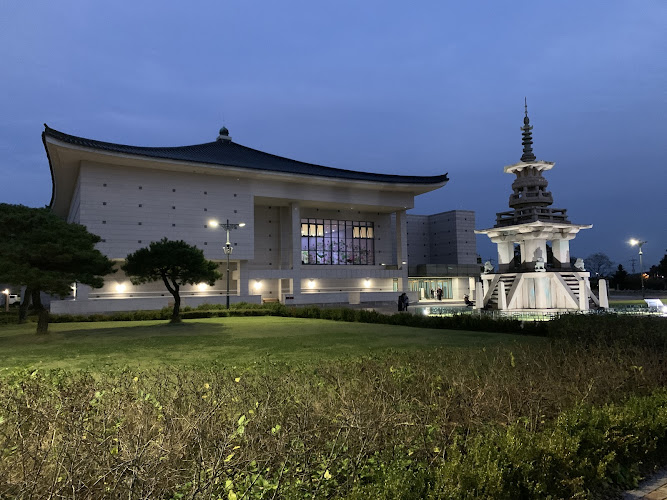
At first glance, it feels like any other museum, but once you step inside, you realize it’s more like a time machine into Korea’s Silla dynasty. This was the kingdom that ruled for nearly a thousand years, and Gyeongju was its capital. The museum doesn’t just display artifacts—it tells the story of a civilization that shaped much of Korean culture. From golden crowns that glimmer with ancient craftsmanship to Buddhist relics that whisper of spiritual devotion, the collection here is both vast and deeply personal.
What makes it stand out is the way it balances grandeur with intimacy. You’ll see treasures that once belonged to royalty, yet you’ll also find everyday items that belonged to ordinary people. It’s not overly flashy, which I actually prefer. Some museums overwhelm you with too much at once, but here, the pacing feels just right. Families often bring their kids, and you’ll notice groups of students sketching or taking notes. And yes, you will bump into tour groups, but the grounds are big enough that it rarely feels crowded.
I’d say the overall vibe is welcoming, but not in a touristy way. It’s more about giving you space to connect with history at your own pace. The museum is accessible, with wheelchair-friendly entrances, restrooms, and even changing tables for parents traveling with young kids. There’s no on-site restaurant, which some might find inconvenient, but honestly, it keeps the focus on the exhibits rather than turning the place into a shopping mall.
Of course, not every visitor leaves dazzled. Some people find the layout a bit plain or wish for more interactive displays. But for me, that simplicity is part of its charm. It’s a place that asks you to slow down, look closely, and imagine what life was like in a kingdom long gone. If you’re the type who enjoys history with a bit of soul, this museum will stick with you long after you leave.
Best Time to Visit
Timing makes a huge difference when visiting the Gyeongju National Museum. Spring and autumn are hands down the best seasons. In spring, cherry blossoms frame the museum grounds, and it feels like walking through a painting. Autumn, on the other hand, brings crisp air and fiery red leaves, which make the outdoor stone relics look even more dramatic. Summer can be hot and humid, and winter can be biting cold, so those seasons are less comfortable unless you’re used to Korean weather extremes.
If you can, plan your visit for a Saturday between March and December, when the museum stays open until late evening. There’s something magical about seeing ancient artifacts under soft night lighting—it’s quieter, calmer, and honestly a little surreal. Also, the last Wednesday of each month is Culture Day in Korea, and the museum often extends its hours and hosts special programs then. It’s a nice bonus if your trip lines up with it.
How to Get There
Reaching the museum is fairly straightforward. If you’re already in Gyeongju, it’s just a short ride from the city center by bus or taxi. The local buses are cheap and reliable, though if you’re short on time, a taxi is more convenient and won’t break the bank. For those coming from Busan, it’s about a 90-minute journey by intercity bus or train, followed by a quick hop across town. Personally, I find the train ride more scenic, especially in spring when the countryside is blooming.
If you’re driving, there’s parking available, including accessible spaces. Just keep in mind that weekends can get a bit busy, so arriving earlier in the day makes parking less stressful. The museum is well signposted, so you won’t have trouble finding it once you’re in Gyeongju.
Tips for Visiting
Here are a few things I’ve learned from my own visits that might help you make the most of your time:
- Take your time: Don’t rush through. The exhibits are layered with detail, and you’ll notice more if you slow down.
- Bring water: There’s no restaurant on-site, and while vending machines are usually around, having your own bottle is handy, especially in summer.
- Plan for the outdoors: Some of the most impressive displays are outside, so wear comfortable shoes and check the weather before you go.
- Travel light: Large bags can be a hassle, and you’ll want your hands free for taking photos or jotting down notes.
- Visit with kids: If you’re traveling with children, make time for the Children’s Museum School. It’s interactive and keeps them engaged while you enjoy the main exhibits.
- Evening visits: If possible, go during extended evening hours. The atmosphere is completely different and worth experiencing.
- Stay nearby: Consider booking accommodation close to the museum. That way, you can explore at your own pace without worrying about long commutes.
One last thought: don’t expect flashy tech or over-the-top displays here. This isn’t that kind of museum. It’s quieter, more reflective, and in many ways, more authentic. If you go in with that mindset, you’ll walk away not just with photos, but with a deeper sense of connection to Korea’s past. And really, isn’t that the point of traveling?
 Real Journey Travels