
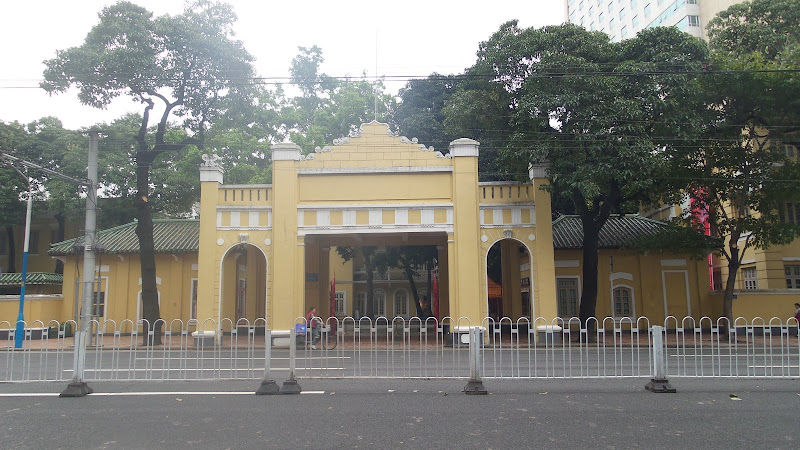
Guangzhou Uprising Memorial Hall
About Guangzhou Uprising Memorial Hall
Description
The Guangzhou Uprising Memorial Hall stands as a powerful testament to one of China's most significant revolutionary events from December 1927. When you walk through these halls, you're essentially stepping into a chapter of history that shaped modern China in ways many travelers don't immediately grasp until they're standing right there among the exhibits and artifacts. This memorial isn't your typical tourist stop where you breeze through in twenty minutes snapping photos. It's a place that demands a bit of your time and attention, and honestly, it rewards those who give it. The building itself serves as both a memorial and museum, dedicated to commemorating the brave souls who participated in the Guangzhou Uprising against the Nationalist government. And let me tell you, the stories preserved here are genuinely moving, regardless of your political leanings or how much you know about Chinese history going in. What strikes most visitors first is the architectural solemnity of the place. The memorial hall doesn't try to be flashy or modern in that aggressive way some museums do. Instead, it maintains a respectful, contemplative atmosphere that feels appropriate given what it represents. Inside, you'll find comprehensive exhibits featuring photographs, documents, personal belongings of the revolutionaries, and detailed explanations of the uprising's timeline and impact. The facility does an excellent job making history accessible without dumbing it down. Whether you're a history buff who could talk about the Chinese Civil War for hours or someone who barely remembers their high school world history class, the exhibits manage to engage on multiple levels. There's enough depth for serious learners while still being digestible for casual visitors.Key Features
- Extensive collection of historical photographs documenting the 1927 uprising and its participants
- Original artifacts and personal belongings from revolutionary fighters who took part in the events
- Detailed chronological exhibits explaining the political context and aftermath of the uprising
- Memorial spaces dedicated to honoring the fallen revolutionaries
- Documentary films and multimedia presentations providing historical context
- Well-preserved revolutionary-era weapons and military equipment
- Interactive displays that help younger visitors understand this complex historical period
- Comprehensive English translations alongside Chinese descriptions (though not perfect everywhere)
- Climate-controlled exhibition halls protecting delicate historical materials
- Wheelchair accessible facilities throughout the entire memorial complex
- Free admission allowing everyone to access this important historical site
- Peaceful outdoor spaces for reflection after viewing the exhibits
Best Time to Visit
Timing your visit to the Guangzhou Uprising Memorial Hall requires thinking about a few different factors, and I've learned this the hard way after visiting similar historical sites across China at less-than-ideal times. The sweet spot is definitely weekday mornings, particularly Tuesday through Thursday between 9:30 AM and 11:30 AM. You'll avoid the school groups that often descend on the memorial during afternoons, and you won't be competing with weekend crowds for space in the exhibition halls. There's something special about having the memorial mostly to yourself – it allows for that contemplative experience the place really deserves. Weather-wise, Guangzhou's spring months from March to May offer comfortable temperatures for the walk to and around the memorial grounds. The summer heat and humidity can be absolutely brutal, and while the indoor exhibits are climate-controlled, you'll still need to navigate outdoor areas. Autumn months from October through November provide another excellent window, with clearer skies and more pleasant temperatures. But here's a consideration many travel guides won't mention: visiting during significant revolutionary anniversaries can be meaningful, but also extremely crowded. December, particularly around the uprising's anniversary, sees increased visitor numbers and sometimes special exhibitions. If you're deeply interested in the subject matter, this might be worth the crowds. Otherwise, steer clear of these peak times. Avoid Chinese national holidays like Golden Week (first week of October) and Spring Festival unless you enjoy being surrounded by massive crowds. I once made the mistake of visiting a similar memorial during a holiday period, and let's just say the reflective atmosphere was completely lost among the chaos. The memorial typically operates during standard museum hours, usually closing one day per week for maintenance. Double-check current operating schedules before planning your visit, as these can shift occasionally.How to Get There
Getting to the Guangzhou Uprising Memorial Hall is refreshingly straightforward, especially compared to some of Guangzhou's more remote attractions. The city's extensive metro system puts you within walking distance of the memorial, making it accessible even if you're still getting your bearings in the city. The metro remains your best bet for reaching the memorial without stress. Line 1 gets you closest to the site, and the station announcements are in both Chinese and English, which helps tremendously if you're still wrapping your head around navigating Chinese public transit. The walk from the nearest station takes roughly 10-15 minutes, and it's a pleasant enough stroll through a part of Guangzhou that shows you some local flavor beyond the usual tourist zones. Taxis and ride-sharing services like Didi work perfectly fine if you prefer door-to-door service. Just have the memorial's name written in Chinese characters on your phone to show drivers – even in a major city like Guangzhou, not every taxi driver speaks English. The fare shouldn't break the bank from most central hotel locations. Public buses serve the area extensively, but honestly, unless you're comfortable navigating Chinese bus systems, the metro offers a simpler solution. Bus routes change, signage can be confusing, and figuring out where to get off requires more local knowledge than most travelers possess during a short visit. If you're staying in central Guangzhou districts like Tianhe or Yuexiu, you're looking at a 20-30 minute journey depending on traffic and your exact starting point. The memorial's location is relatively central, which is convenient when you're planning a day that includes multiple stops. Parking is available if you're brave enough to drive in Guangzhou traffic (which, let me tell you, is not for the faint of heart). The facility offers wheelchair-accessible parking spots, demonstrating their commitment to accessibility.Tips for Visiting
Walking into the Guangzhou Uprising Memorial Hall prepared makes all the difference between a memorable visit and a frustrating one. Here's what actually matters based on practical experience and common sense. First off, bring your passport or ID. Security at historical and memorial sites in China can be thorough, and you may need identification for entry. It's become standard practice at many significant cultural sites, so just keep it handy. Download a translation app before you arrive if your Chinese is limited. While many exhibits include English descriptions, they're not universal, and some of the most interesting details only appear in Chinese. Google Translate's camera function works reasonably well for reading signage in real-time, though you'll need a VPN in China to access Google services. Pleco is an excellent alternative that works without a VPN. Dress respectfully and comfortably. This is a memorial to people who died for their beliefs, so showing up in beachwear or overly casual clothing feels inappropriate. Think smart casual – you don't need formal attire, but demonstrate some respect through your choices. Comfortable walking shoes are non-negotiable since you'll be on your feet for at least an hour or two. Photography policies can be strict in certain exhibition areas. Look for signs indicating whether photos are permitted, and when in doubt, ask staff. Flash photography is typically prohibited to protect artifacts, and some rooms may ban photography entirely. Don't be that person arguing with security guards about why you should be allowed to ignore the rules. Plan to spend at least 90 minutes to two hours if you want to properly absorb the exhibits. Rushing through defeats the purpose of visiting a memorial dedicated to such significant historical events. And if you're really into revolutionary Chinese history, you could easily spend three or four hours here. The restrooms are clean and wheelchair accessible, which matters more than people realize when planning cultural visits. Use them before diving into the exhibits since leaving mid-visit and finding your way back can be annoying. Consider hiring a local guide if you want deeper context than the exhibits provide. The memorial sometimes has guides available, or you can arrange one through your hotel or a touring service. The difference between reading plaques and having someone knowledgeable explain the historical significance is substantial. Visit the gift shop if you're into historical books or educational materials. Unlike many tourist traps, the memorial's shop actually stocks quality historical publications and meaningful souvenirs rather than just cheap trinkets. I picked up a fascinating photo collection there that I still flip through occasionally. Bring cash for any incidental purchases, though the memorial accepts NFC mobile payments for those who've set up Chinese payment apps. Free admission means you won't need money for entry, but having some cash is always smart. The memorial is genuinely good for kids, but that depends on the child and how you frame the visit. If you're traveling with children, prepare them beforehand about what they'll see and why it matters. Making history engaging for young minds takes effort, but this memorial provides enough visual interest to hold attention better than some more academic museums. Finally, take time after your visit to sit in the outdoor spaces and process what you've learned. These memorial halls can be emotionally heavy, packed with stories of sacrifice and struggle that deserve more than a quick scroll through your camera roll later. Give yourself space to reflect before rushing off to your next destination.Key Features
- Original historic building that served as the Guangdong Public Security Bureau
- Photographs, documents and personal artifacts from the 1927 Guangzhou Uprising
- Recreated exhibition rooms that convey the chronology and human stories
- Outdoor memorials and nearby martyrs’ cemetery within walking distance
- Central Yuexiu location easy to combine with other heritage sites
More Details
Updated March 30, 2026
Table of Contents
Description
The Guangzhou Uprising Memorial Hall stands as a powerful testament to one of China’s most significant revolutionary events from December 1927. When you walk through these halls, you’re essentially stepping into a chapter of history that shaped modern China in ways many travelers don’t immediately grasp until they’re standing right there among the exhibits and artifacts.
This memorial isn’t your typical tourist stop where you breeze through in twenty minutes snapping photos. It’s a place that demands a bit of your time and attention, and honestly, it rewards those who give it. The building itself serves as both a memorial and museum, dedicated to commemorating the brave souls who participated in the Guangzhou Uprising against the Nationalist government. And let me tell you, the stories preserved here are genuinely moving, regardless of your political leanings or how much you know about Chinese history going in.
What strikes most visitors first is the architectural solemnity of the place. The memorial hall doesn’t try to be flashy or modern in that aggressive way some museums do. Instead, it maintains a respectful, contemplative atmosphere that feels appropriate given what it represents. Inside, you’ll find comprehensive exhibits featuring photographs, documents, personal belongings of the revolutionaries, and detailed explanations of the uprising’s timeline and impact.
The facility does an excellent job making history accessible without dumbing it down. Whether you’re a history buff who could talk about the Chinese Civil War for hours or someone who barely remembers their high school world history class, the exhibits manage to engage on multiple levels. There’s enough depth for serious learners while still being digestible for casual visitors.
Key Features
- Extensive collection of historical photographs documenting the 1927 uprising and its participants
- Original artifacts and personal belongings from revolutionary fighters who took part in the events
- Detailed chronological exhibits explaining the political context and aftermath of the uprising
- Memorial spaces dedicated to honoring the fallen revolutionaries
- Documentary films and multimedia presentations providing historical context
- Well-preserved revolutionary-era weapons and military equipment
- Interactive displays that help younger visitors understand this complex historical period
- Comprehensive English translations alongside Chinese descriptions (though not perfect everywhere)
- Climate-controlled exhibition halls protecting delicate historical materials
- Wheelchair accessible facilities throughout the entire memorial complex
- Free admission allowing everyone to access this important historical site
- Peaceful outdoor spaces for reflection after viewing the exhibits
Best Time to Visit
Timing your visit to the Guangzhou Uprising Memorial Hall requires thinking about a few different factors, and I’ve learned this the hard way after visiting similar historical sites across China at less-than-ideal times.
The sweet spot is definitely weekday mornings, particularly Tuesday through Thursday between 9:30 AM and 11:30 AM. You’ll avoid the school groups that often descend on the memorial during afternoons, and you won’t be competing with weekend crowds for space in the exhibition halls. There’s something special about having the memorial mostly to yourself – it allows for that contemplative experience the place really deserves.
Weather-wise, Guangzhou’s spring months from March to May offer comfortable temperatures for the walk to and around the memorial grounds. The summer heat and humidity can be absolutely brutal, and while the indoor exhibits are climate-controlled, you’ll still need to navigate outdoor areas. Autumn months from October through November provide another excellent window, with clearer skies and more pleasant temperatures.
But here’s a consideration many travel guides won’t mention: visiting during significant revolutionary anniversaries can be meaningful, but also extremely crowded. December, particularly around the uprising’s anniversary, sees increased visitor numbers and sometimes special exhibitions. If you’re deeply interested in the subject matter, this might be worth the crowds. Otherwise, steer clear of these peak times.
Avoid Chinese national holidays like Golden Week (first week of October) and Spring Festival unless you enjoy being surrounded by massive crowds. I once made the mistake of visiting a similar memorial during a holiday period, and let’s just say the reflective atmosphere was completely lost among the chaos.
The memorial typically operates during standard museum hours, usually closing one day per week for maintenance. Double-check current operating schedules before planning your visit, as these can shift occasionally.
How to Get There
Getting to the Guangzhou Uprising Memorial Hall is refreshingly straightforward, especially compared to some of Guangzhou’s more remote attractions. The city’s extensive metro system puts you within walking distance of the memorial, making it accessible even if you’re still getting your bearings in the city.
The metro remains your best bet for reaching the memorial without stress. Line 1 gets you closest to the site, and the station announcements are in both Chinese and English, which helps tremendously if you’re still wrapping your head around navigating Chinese public transit. The walk from the nearest station takes roughly 10-15 minutes, and it’s a pleasant enough stroll through a part of Guangzhou that shows you some local flavor beyond the usual tourist zones.
Taxis and ride-sharing services like Didi work perfectly fine if you prefer door-to-door service. Just have the memorial’s name written in Chinese characters on your phone to show drivers – even in a major city like Guangzhou, not every taxi driver speaks English. The fare shouldn’t break the bank from most central hotel locations.
Public buses serve the area extensively, but honestly, unless you’re comfortable navigating Chinese bus systems, the metro offers a simpler solution. Bus routes change, signage can be confusing, and figuring out where to get off requires more local knowledge than most travelers possess during a short visit.
If you’re staying in central Guangzhou districts like Tianhe or Yuexiu, you’re looking at a 20-30 minute journey depending on traffic and your exact starting point. The memorial’s location is relatively central, which is convenient when you’re planning a day that includes multiple stops.
Parking is available if you’re brave enough to drive in Guangzhou traffic (which, let me tell you, is not for the faint of heart). The facility offers wheelchair-accessible parking spots, demonstrating their commitment to accessibility.
Tips for Visiting
Walking into the Guangzhou Uprising Memorial Hall prepared makes all the difference between a memorable visit and a frustrating one. Here’s what actually matters based on practical experience and common sense.
First off, bring your passport or ID. Security at historical and memorial sites in China can be thorough, and you may need identification for entry. It’s become standard practice at many significant cultural sites, so just keep it handy.
Download a translation app before you arrive if your Chinese is limited. While many exhibits include English descriptions, they’re not universal, and some of the most interesting details only appear in Chinese. Google Translate’s camera function works reasonably well for reading signage in real-time, though you’ll need a VPN in China to access Google services. Pleco is an excellent alternative that works without a VPN.
Dress respectfully and comfortably. This is a memorial to people who died for their beliefs, so showing up in beachwear or overly casual clothing feels inappropriate. Think smart casual – you don’t need formal attire, but demonstrate some respect through your choices. Comfortable walking shoes are non-negotiable since you’ll be on your feet for at least an hour or two.
Photography policies can be strict in certain exhibition areas. Look for signs indicating whether photos are permitted, and when in doubt, ask staff. Flash photography is typically prohibited to protect artifacts, and some rooms may ban photography entirely. Don’t be that person arguing with security guards about why you should be allowed to ignore the rules.
Plan to spend at least 90 minutes to two hours if you want to properly absorb the exhibits. Rushing through defeats the purpose of visiting a memorial dedicated to such significant historical events. And if you’re really into revolutionary Chinese history, you could easily spend three or four hours here.
The restrooms are clean and wheelchair accessible, which matters more than people realize when planning cultural visits. Use them before diving into the exhibits since leaving mid-visit and finding your way back can be annoying.
Consider hiring a local guide if you want deeper context than the exhibits provide. The memorial sometimes has guides available, or you can arrange one through your hotel or a touring service. The difference between reading plaques and having someone knowledgeable explain the historical significance is substantial.
Visit the gift shop if you’re into historical books or educational materials. Unlike many tourist traps, the memorial’s shop actually stocks quality historical publications and meaningful souvenirs rather than just cheap trinkets. I picked up a fascinating photo collection there that I still flip through occasionally.
Bring cash for any incidental purchases, though the memorial accepts NFC mobile payments for those who’ve set up Chinese payment apps. Free admission means you won’t need money for entry, but having some cash is always smart.
The memorial is genuinely good for kids, but that depends on the child and how you frame the visit. If you’re traveling with children, prepare them beforehand about what they’ll see and why it matters. Making history engaging for young minds takes effort, but this memorial provides enough visual interest to hold attention better than some more academic museums.
Finally, take time after your visit to sit in the outdoor spaces and process what you’ve learned. These memorial halls can be emotionally heavy, packed with stories of sacrifice and struggle that deserve more than a quick scroll through your camera roll later. Give yourself space to reflect before rushing off to your next destination.
Key Highlights
- Original historic building that served as the Guangdong Public Security Bureau
- Photographs, documents and personal artifacts from the 1927 Guangzhou Uprising
- Recreated exhibition rooms that convey the chronology and human stories
- Outdoor memorials and nearby martyrs’ cemetery within walking distance
- Central Yuexiu location easy to combine with other heritage sites
Location
Places to Stay Near Guangzhou Uprising Memorial Hall
Find and Book a Tour
Explore More Travel Guides
No reviews found! Be the first to review!
Guangzhou Uprising Memorial Hall is a prominent attractions located in Guangzhou.
Traveler Reviews for Guangzhou Uprising Memorial Hall
There are no reviews yet. Be the first one to write one.
Have you visited Guangzhou Uprising Memorial Hall? Help other travelers by sharing your review.
Nearby Attractions
You Might Also Like
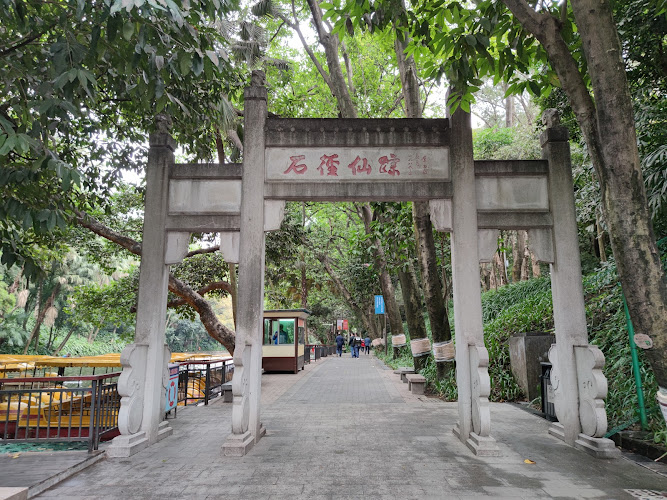
Yuexiu Park

Chimelong Water Park
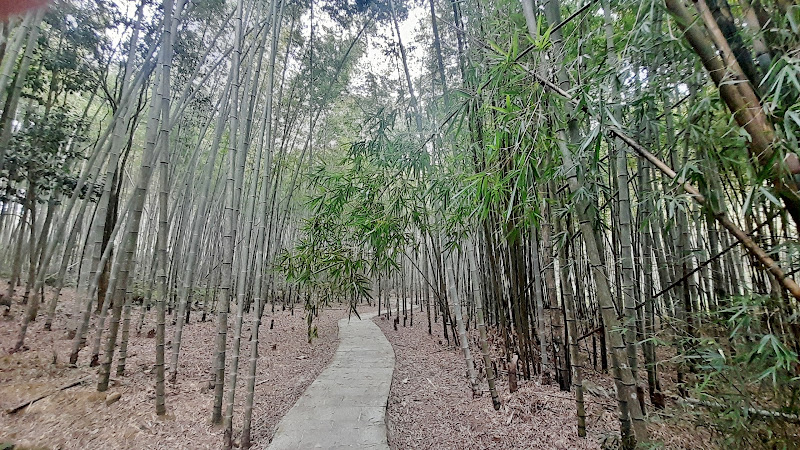
Shimen National Forest Park
Find Accommodations Nearby
Recommended Tours & Activities
Visitor Reviews
There are no reviews yet. Be the first one to write one.
Share Your Experience
Have you visited Guangzhou Uprising Memorial Hall? Help other travelers by leaving a review.