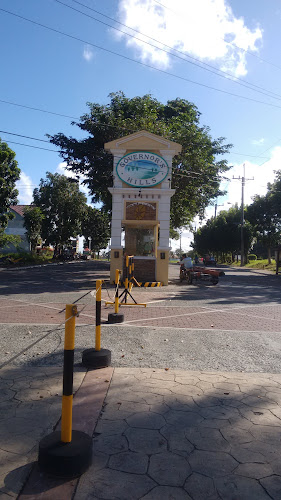
Description
Governor’s Hills Subdivision represents one of those residential communities that has quietly grown into something more than just a place where people live. Over the years, this housing complex has developed its own character and rhythm, becoming a destination worth considering for travelers who want to experience authentic Filipino suburban life beyond the usual tourist circuits.
The subdivision sprawls across well-planned streets lined with a mix of architectural styles, from modest single-family homes to more impressive residences that speak to the area’s growing appeal. What strikes visitors first is the sense of order here—the streets are generally well-maintained, and there’s an obvious effort to keep the community looking presentable. It’s not going to wow you with resort-style amenities or flashy attractions, but that’s precisely the point. This is real life in the Philippines, just lived at a comfortable pace.
I remember the first time I wandered through a similar subdivision during my travels, expecting nothing much and finding myself charmed by the everyday routines of residents going about their business. There’s something deeply satisfying about seeing how regular folks live when you’re traveling, away from the manufactured experiences of tourist zones. Governor’s Hills offers that authentic glimpse.
The complex has made genuine efforts toward accessibility, which matters more than most people realize when they’re planning trips. Wheelchair users will find proper entrances and parking arrangements, making it considerably more welcoming than many Philippine residential areas. And honestly, this attention to detail suggests a community that thinks about its visitors and residents beyond just the basics.
Now, let me be straight with you—this isn’t going to be everyone’s cup of tea. Some travelers want constant excitement and endless activities. But if you’re the type who appreciates observing daily life, enjoying quiet walks through safe neighborhoods, or perhaps visiting friends or family who live here, Governor’s Hills delivers a solid experience. The community has clearly won over more residents and visitors than it’s disappointed, though like any place, it has its critics too.
Key Features
Governor’s Hills Subdivision brings several noteworthy elements that make it function well both as a residential area and a place worth visiting:
• Accessibility Infrastructure – The subdivision provides wheelchair-accessible entrances and dedicated parking spaces, making it easier for travelers with mobility concerns to navigate the area comfortably
• Onsite Services – Various services are available directly within the complex, reducing the need to venture far for basic necessities or assistance
• Community Layout – Streets follow a logical grid pattern that makes navigation straightforward, even for first-time visitors who might otherwise get turned around in unfamiliar neighborhoods
• Security Measures – Like most Philippine subdivisions, there are controlled access points and security personnel maintaining a watchful presence throughout the community
• Mixed Housing Options – The variety of home styles gives the area visual interest and reflects different economic levels coexisting in one space
• Proximity Advantages – The location provides reasonable access to broader regional attractions while maintaining its residential character
• Walking-Friendly Environment – Sidewalks and relatively calm traffic make it feasible to explore on foot during cooler parts of the day
• Local Character – The subdivision has developed its own personality over time, with small businesses and community gathering spots that reflect genuine local culture
Best Time to Visit
Timing your visit to Governor’s Hills Subdivision depends largely on what you’re hoping to experience and how much heat you can tolerate. The Philippines doesn’t really do subtle seasons, so you’re working with variations on warm rather than experiencing dramatic climate shifts.
December through February offers the most comfortable conditions for exploring the subdivision. Temperatures stay relatively moderate—and by moderate, I mean you’ll still sweat but won’t feel like you’re melting into the pavement. These months coincide with the dry season, so you can walk around without worrying about sudden downpours turning your exploration into a soggy mess. Early mornings around 6 to 8 AM are particularly lovely, when the air still holds a bit of coolness and residents are just beginning their daily routines.
March through May brings intense heat that can make midday walking pretty miserable. But here’s the thing—if you don’t mind the warmth and plan your activities strategically, these months have their advantages. The subdivision is generally less crowded with visitors, and you’ll see how locals actually cope with the tropical heat in their everyday lives. Just bring water, wear sunscreen, and embrace the Filipino habit of seeking shade whenever possible.
The rainy season from June through November presents its own considerations. You’ll definitely encounter rain, sometimes dramatic afternoon thunderstorms that appear out of nowhere. But these showers often bring relief from the heat, and there’s something oddly peaceful about watching a tropical storm roll through from a covered area. Just pack appropriate rain gear and be flexible with your schedule.
Weekends tend to be more active throughout the year, with families out and about, which gives you better opportunities to observe community life in full swing. Weekdays are quieter, which some travelers prefer. I’ve always found that Tuesday or Wednesday visits to residential areas give you the most authentic sense of how places really function when they’re not performing for weekend crowds.
How to Get There
Getting to Governor’s Hills Subdivision requires a bit of planning, but it’s certainly manageable once you understand the local transportation landscape. The approach depends heavily on where you’re starting from and your comfort level with various transport options.
If you’re coming from Manila or other major urban centers, your most straightforward option involves hiring a private car or using ride-sharing services. These provide door-to-door convenience and air-conditioned comfort, which matters considerably in tropical heat. The drivers generally know the area, though it’s smart to have the specific address or a landmark ready on your phone since even locals sometimes need guidance navigating subdivision entrances.
Public transportation is definitely possible, though it requires more patience and a willingness to embrace the Filipino commuting experience. Buses and jeepneys can get you to the general vicinity, but you’ll likely need to walk or catch a tricycle for the final leg. Tricycles—those motorcycle-sidecar contraptions that are everywhere in the Philippines—are actually perfect for reaching specific addresses within subdivisions. The drivers know every street and shortcut, plus you get that authentic local transport experience.
For travelers staying nearby, the subdivision is potentially reachable on foot depending on exactly where you’re based. Just remember that Philippine distances can be deceiving—what looks like a short walk on a map might feel considerably longer under the midday sun.
Airport transfers, if you’re arriving directly from Manila’s Ninoy Aquino International Airport or other regional airports, typically require advance arrangement. Pre-booking a van or car service saves considerable hassle and ensures you don’t get stuck negotiating fares when you’re already tired from traveling.
I’ve learned through various trips that asking locals for directions in the Philippines almost always works better than relying solely on GPS. People are genuinely helpful and will often go out of their way to point you in the right direction or even guide you personally if they’re heading that way.
Tips for Visiting
Governor’s Hills Subdivision isn’t a traditional tourist destination, so visiting successfully requires adjusting your expectations and approach. These practical tips will help you make the most of your time here.
First off, respect the residential nature of the area. People live here year-round, raising families and going about their daily lives. Walking around taking photos is generally fine, but be mindful about photographing individual homes or people without permission. Filipinos are typically friendly and accommodating, but nobody wants tourists treating their neighborhood like a zoo exhibit.
Timing your walks matters enormously. Early morning before 9 AM or late afternoon after 4 PM offers the most comfortable conditions for exploring on foot. The midday heat can be genuinely punishing, and you’ll spend more time seeking air conditioning than actually experiencing the place.
Bring cash in smaller denominations. While this isn’t a shopping destination, you might want to buy snacks, drinks, or small items from local stores, and many won’t be equipped to handle large bills or card payments. Having 20 and 50 peso notes makes transactions smoother.
Dress appropriately for a residential area. This doesn’t mean formal clothing, but overly revealing outfits or beachwear might draw unwanted attention or make residents uncomfortable. Comfortable, modest clothing works best—think breathable fabrics that won’t cling when you inevitably start sweating.
Learn a few basic Tagalog phrases before visiting. “Po” and “opo” (polite forms of yes), “salamat” (thank you), and “excuse me” go a long way in residential communities where English might not be everyone’s strong suit. Locals genuinely appreciate even clumsy attempts at their language.
Hydration is crucial and worth repeating. The combination of heat and humidity can sneak up on you, especially if you’re walking around exploring. Convenience stores within the subdivision sell cold drinks, so stock up regularly.
If you’re visiting someone who lives here, coordinate your arrival time carefully. Traffic in the Philippines can be unpredictable, and showing up late can throw off your hosts’ plans. Build in extra time for your journey.
Security personnel at gates are just doing their jobs. Be patient with check-in procedures, have your destination address ready, and understand that they’re maintaining community safety. A friendly attitude typically smooths the process considerably.
Consider visiting during community events if timing allows. Many subdivisions host activities that give visitors deeper insight into local culture and social dynamics. Ask residents or check community boards for schedules.
Photography enthusiasts will find interesting subjects here—architecture, daily life scenes, community spaces—but always prioritize respect over getting the perfect shot. And honestly, some of the best moments happen when you put the camera away and just observe.
Don’t expect constant entertainment or structured activities. This is residential life, which means the rewards come from observation, conversation, and appreciating the quieter aspects of Filipino culture. Bring a book or be prepared to simply wander and watch the world go by.
Finally, approach your visit with genuine curiosity rather than judgment. Governor’s Hills may not match your preconceived notions of what travel destinations should look like, but that’s exactly what makes it valuable. Real life, lived at a human pace, in a country that rewards those who take time to actually see it.