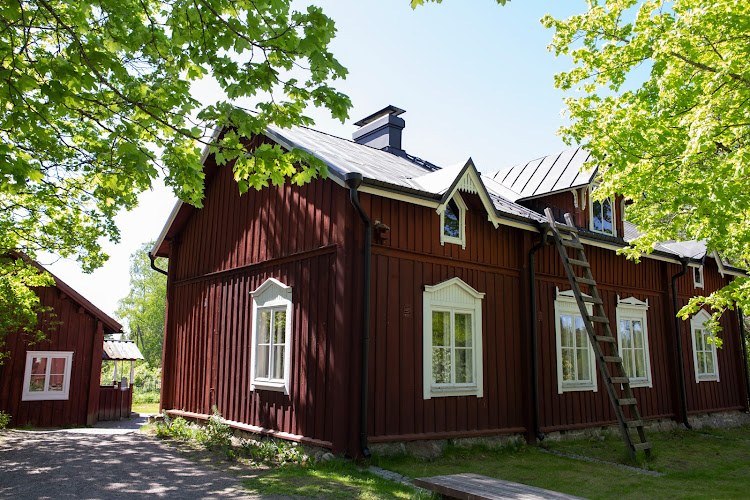
The place is a real, centuries-old farm that functioned from at least the 1500s until the early 1900s and was transformed into a museum in 1958. Today it is part of the KAMU Espoo city museum network, which means modest resources but thoughtful curation and a strong local identity. Visitors will find genuine timber buildings, farm implements that still smell faintly of hay, and a landscape that seems to slow time compared to the hum of nearby urban roads. It’s small, but small in a very good way: the scale keeps things intimate and readable. A family can wander the yards, peer into old rooms, and get an honest feel for how rural Finns lived and worked for generations.
There’s a relaxed, low-key atmosphere that some travelers adore and others find almost too quiet. The majority of people leave pleased: the place feels cared for, not staged; the displays are practical and accessible; and the staff or volunteers—when present—are often chatty, a little wry, and full of helpful local color. The museum does a credible job of illustrating daily life on a Finnish farmstead through objects, building layouts, and occasionally live demonstrations or small-scale events. It doesn’t compete with Espoo’s larger cultural houses for scale or flashy design, but it does offer authenticity and a feeling of stepping back into a landscape shaped by centuries of farming.
For travelers who like history they can touch, smell, and hear (think creaking floors and the distant sound of work tools), Glims is a quiet winner. Families with kids tend to enjoy the hands-on mood; there are often simple, child-friendly activities and enough outdoor space for little ones to burn off energy. Accessibility is a plus here: the site includes wheelchair-accessible parking and accessible restroom facilities, making it an easier pick for mixed-ability groups than many older historic sites. Practical amenities are basic but solid—there’s a restroom and free parking—so visitors won’t be left hunting for essentials in the middle of their visit.
One nice thing: because the farm started as a functioning household and agricultural unit, the exhibits emphasize everyday life rather than elite history. That makes the story relatable. The farm buildings in Karvasmäki showcase how families combined living quarters with work spaces, how tools evolved over centuries, and how community rhythms—harvests, seasons, births, and funerals—shaped architecture and possessions. Expect to learn about Finnish rural culture, agricultural practices, and the slow continuity of a place that managed to keep its character long after mechanization changed the countryside.
Best Time to Visit
Summer months are the obvious favorite. Between late May and August the grounds are at their best: grass trimmed, flowers in the hedges, and any seasonal demonstrations or children’s programs more likely to run. Many open-air museums in Finland schedule their most active events in summer, and Glims follows that pattern—so if a visitor wants guided tours, hands-on workshops, or family events, plan for a summer weekend. That said, spring and early autumn have their charms: spring brings fresh green shoots and fewer crowds, while early autumn offers cool air, turning leaves, and a sense of harvest rhythm that fits the place’s story.
Winters are quieter and, frankly, rather atmospheric if a traveler is prepared for cold. Snow adds a lovely hush to the farm yards and makes for striking photos, but some buildings or exhibits may be closed or only partially accessible. Also, guided services and events are sparser outside the main season. In short: if you want the fullest program and the sunniest strolls, aim for late spring to early autumn; if you want solitude and moody winter light, then bundle up and go in the low season—just check opening hours first.
How to Get There
Glims is easy to reach whether traveling by car or public transport, and that’s one of the site’s nicest practical advantages. Driving gives the most flexibility; the museum has a free parking lot and clearly signed access inside Espoo’s more rural districts. For those relying on public transit, local buses from Espoo center and nearby neighborhoods connect to stops within walking distance. Travel time from central Espoo is short, and from central Helsinki it’s a manageable trip—think a short regional train or metro ride followed by a bus, or a direct bus depending on the route and the day.
Many visitors combine a Glims trip with other nearby attractions or green areas. For instance, someone might spend the morning at a larger museum or gallery in Espoo or Helsinki and then head out to Glims for a relaxed afternoon among farm buildings and open grass. Parking is free and usually plentiful except on special event days, so driving is comfortable if you prefer to set your own timetable. Travelers who use public transport should allow a little extra walking time, and consider checking seasonal timetables—as bus frequency can drop outside peak hours and outside the main season.
Tips for Visiting
Plan for roughly 1.5 to 2 hours to see the core of the site at a relaxed pace. That allows time to walk around buildings, read display texts, take photos, and soak up the atmosphere without rush. Many people linger longer—picnics on the grass, playing with children in safe outdoor spaces, and watching occasional demonstrations that crop up during weekends and holidays.
Check the calendar before you go. The museum runs special events, workshops, and demonstrations especially during the warmer months, and those can transform an already pleasant visit into something memorable for children and adults alike. If you’ve got kids, arriving on a day with a children’s workshop can be a small holiday in itself. If you’re after quiet, mid-week visits outside high season are when the site feels most like a private retreat.
Bring layers. Finnish weather is famously changeable, and even sunny days can turn breezy near open fields. A light jacket and comfortable walking shoes are recommended; some ground surfaces are uneven or cobbled. Also, if photography matters to you, early morning or late afternoon light is forgiving, and the long shadows add texture to wooden buildings. A small anecdote here: a traveler once lingered for golden-hour photos and was rewarded by one of those “authentic moments” when a volunteer closed a barn door with a satisfying thunk—nothing staged, just life continuing in a historic setting.
If accessibility is a concern for your group, Glims is kinder than many old farm museums. There is a wheelchair-accessible parking area and at least one accessible restroom, which makes visiting with a wide range of abilities far less stressful. Still, not every historic building will be fully step-free—certain rooms remain preserved in original condition for conservation reasons—so plan visits around accessible outdoor spaces and ask on arrival which areas can be reached by wheelchair without assistance.
Expect modest facilities. This is not a large cultural complex with cafés and souvenir shops; amenities are simple. Bringing a small snack or a thermos for a picnic is a fine idea—especially if you travel with children. Respect the site’s rules about touching objects and wandering into fenced-off areas; these are living heritage spaces and many objects need protection. And be ready for staff or volunteers who are genuinely local: ask questions, chat, and you’ll often get the best stories about the farm’s history and the neighborhood’s past.
A final practical tip: pair the visit with a short walk in the surrounding area, if time allows. The farm sits in a neighborhood with green corridors and quiet streets; a short stroll before or after the museum visit makes for a nice contrast and rounds out the day. Travelers who are into history and slower-paced experiences will leave Glims feeling they’ve spent time well—an easy recommendation if someone wants to understand rural Finland without wandering far from Espoo’s conveniences.
Overall, Glims Farmstead Museum is a tidy, authentic stop for travelers who like history told through objects and place rather than spectacle. It’s accessible, relaxed, and quietly educational—great for families, heritage fans, and anyone who wants to pause and consider how landscapes and livelihoods shaped everyday life here in Finland. And yes, bring a camera. The wooden textures in afternoon light are just too tempting to resist.
 Real Journey Travels