
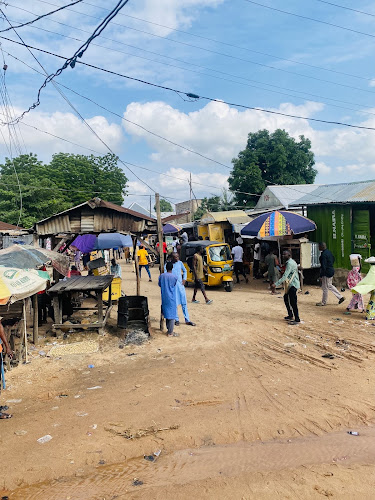
Gindin Doruwa Market
About Gindin Doruwa Market
Description
Gindin Doruwa Market stands as one of those authentic local trading hubs where the real pulse of daily life beats strongest. This market has carved out its reputation as a go-to destination for travelers who want to experience genuine market culture without the tourist trappings that often sanitize similar venues. The atmosphere here isn’t manufactured for Instagram – it’s the real deal, with vendors who’ve been setting up their stalls for years and shoppers who come here because they actually need what’s being sold.
Walking through the market, you’ll notice immediately that this isn’t just about food stalls and produce. Sure, there’s plenty of that, but Gindin Doruwa Market has evolved into a more comprehensive shopping experience that includes drinks vendors alongside traditional market fare. I’ve always believed that the best markets are the ones where locals actually shop, and this one definitely fits that description. You’ll see families doing their weekly shopping right alongside curious travelers trying to figure out what half the produce actually is.
The market has made some smart moves in terms of modernization without losing its character. They’ve embraced contemporary payment methods, which honestly makes the whole experience more accessible for international visitors who don’t want to fumble with unfamiliar currency for every small purchase. But they’ve also kept that essential market energy – the bargaining, the banter between vendors, and the sensory overload that comes with dozens of stalls competing for your attention.
What strikes most people about Gindin Doruwa Market is how it manages to serve both practical shoppers and exploratory travelers. It’s not trying to be a tourist attraction, which paradoxically makes it more attractive to travelers who want something authentic. And while some markets can feel overwhelming or exclusive to outsiders, this one has a surprisingly welcoming atmosphere once you get past the initial sensory assault.
Key Features
The market offers several standout characteristics that separate it from typical tourist markets:
- Full wheelchair accessibility including both entrance points and designated parking areas, making it one of the more inclusive markets in the region
- Modern payment infrastructure accepting credit cards, debit cards, and NFC mobile payments – rare for a traditional market setting
- On-site restroom facilities, which travelers know is basically gold when you’re spending hours exploring
- Diverse beverage vendors offering both traditional and contemporary drink options that you won’t find in standard retail outlets
- Authentic local shopping environment where tourists and residents shop side by side without the artificial separation common in tourist-oriented markets
- Multiple entry and exit points that prevent the bottleneck congestion that plagues many popular markets
- Vendor stalls that represent genuine local businesses rather than corporate-owned spaces disguised as independent sellers
Best Time to Visit
Timing really matters when you’re planning a market visit, and Gindin Doruwa Market is no exception. Early mornings, particularly between 7 AM and 9 AM, give you the freshest selection and the most energetic atmosphere. Vendors are still setting up, the produce looks its absolute best, and you’ll catch the market at its most authentic as local shoppers stock up for the day.
Mid-morning through early afternoon can get pretty crowded, especially on weekends. If you thrive on that busy market energy, this is actually when you want to go. The crush of people creates this electric atmosphere where you’re constantly navigating between stalls, overhearing conversations, and getting swept up in the general chaos that makes markets so appealing. But if crowds stress you out, maybe skip this window.
Late afternoons, particularly after 4 PM, offer a different experience entirely. The pace slows down considerably, vendors are more willing to chat since they’re not juggling multiple customers, and you might score better deals as sellers try to move remaining inventory. Some stalls will be closing up, so your selection won’t be as comprehensive, but there’s something nice about experiencing the market in its wind-down phase.
Weekday visits generally provide a more relaxed experience compared to weekends. You’ll encounter primarily local shoppers going about their regular routines, which gives you a more genuine sense of how the market functions in everyday life rather than as a destination. And honestly, navigating the aisles becomes significantly easier when you’re not constantly shoulder-to-shoulder with other visitors.
Weather considerations matter too. The market operates regardless of conditions, but rainy days can make the experience less pleasant unless you’re prepared. Stalls with overhead covering become prime real estate during downpours, and moving between sections means getting wet. Dry season visits typically offer the most comfortable browsing conditions.
How to Get There
Getting to Gindin Doruwa Market requires some planning, but it’s more straightforward than many local attractions once you understand your options. The market’s accessible design extends to its transportation connections, though you’ll want to choose your approach based on your comfort level with local transit systems.
Taxi services represent the most direct option for travelers unfamiliar with the area. Most drivers know the market well since it’s a established local landmark. You can arrange for your taxi to wait or schedule a pickup time, which gives you flexibility without the stress of figuring out return transportation when you’re carrying purchases and feeling market-tired.
Ride-sharing apps work in the area, though signal strength can be inconsistent once you’re actually in the market itself. Set your pickup location slightly outside the main market area at a recognizable landmark to avoid the confused back-and-forth that happens when drivers can’t find you in a maze of stalls.
Local bus routes service the market area, and this option appeals to budget-conscious travelers or those wanting a more immersive local experience. Ask your accommodation for specific route numbers and schedules since these change periodically. The buses won’t drop you directly at the entrance, but the walk from nearby stops is manageable and gives you a sense of the surrounding neighborhood.
If you’re driving yourself, the designated parking lot provides the convenience you’d expect, though spaces fill up quickly during peak hours. Arriving early solves this problem and gives you prime parking relatively close to the main entrances. The wheelchair accessible parking spaces are clearly marked and typically well-maintained.
Many travelers staying in nearby accommodations choose to walk to the market, which works perfectly if you’re within a reasonable distance and comfortable navigating local streets. The approach on foot gives you a better appreciation for how the market integrates into the surrounding community rather than existing as an isolated attraction.
Tips for Visiting
Bring cash even though card payments work here. Some smaller vendors still prefer cash, and having local currency speeds up transactions considerably. Plus, you never want to be that person holding up a line because your card reader connection is slow.
Dress practically with comfortable walking shoes because you’ll be on your feet longer than you think. Markets have this way of eating up hours when you’re exploring properly. Wear clothes you don’t mind getting a bit dusty or brushed against by passing shoppers in crowded aisles.
Come hungry or thirsty so you can actually sample the drinks and food items available. One of my biggest market regrets is always eating before visiting and then watching other people enjoy foods I’m too full to try. The beverage vendors in particular offer unique options you won’t encounter elsewhere.
Bring reusable bags for any purchases. While vendors provide bags, having your own sturdy carriers makes transporting items easier and shows you’re thinking about environmental impact. Markets generate enough waste without adding unnecessary plastic bags to the equation.
Learn a few basic local phrases even if you’re not fluent in the language. Vendors appreciate the effort, and it opens up interactions that wouldn’t happen otherwise. Even just knowing how to ask prices and say thank you transforms your experience from observer to participant.
Don’t feel pressured to buy from the first vendor you see. Walking through once before making purchases lets you compare options, prices, and quality. You’ll kick yourself if you buy something in the first aisle and then find better versions three rows over.
Stay aware of your belongings because crowded markets attract pickpockets everywhere in the world. This doesn’t mean getting paranoid, just maintaining basic awareness about where your phone, wallet, and camera are at all times. Cross-body bags worn in front work better than backpacks you can’t see.
Visit the restroom before you actually need it. Finding it the first time takes a few minutes of wandering, and you don’t want to be searching desperately when nature calls urgently. Once you know where it is, the rest of your visit becomes more relaxed.
Take breaks when you feel overwhelmed. Markets can be sensory intense with all the sights, sounds, and smells competing for attention. Find a less crowded corner, grab a drink, and just observe for a few minutes when you need to reset.
Ask vendors about their products even if you don’t intend to buy. Most are happy to explain what they’re selling, how to prepare it, or why their version is superior to their neighbor’s. These conversations often become the most memorable parts of market visits.
Key Features
- Large selection of fresh produce from local farms
- Vibrant mix of textiles and traditional fabrics
- Numerous small food stalls and street snack vendors
- Active bartering culture with local traders
- Close contact with diverse local communities and artisans
Nearby Attractions
Jalingo City Centre
Taraba State Government Complex
Local neighborhood eateries and street food stalls
Tours & Activities
GetYourGuide provides this tour inventory. We may earn a commission if you book through it; verify current availability, prices, and terms with the provider.
Visitor Reviews
There are no reviews yet. Be the first one to write one.
Share Your Experience
Have you visited Gindin Doruwa Market? Help other travelers by leaving a review.