Guided Sightseeing Tours & Activities in Musashino
- Browse sightseeing excursions and activities in Musashino
- Check live availability, rates & traveler reviews on Viator
- Secure online booking with flexible options
1 Chome-11-26 Kichijoji Honcho, Musashino, Tokyo 180-0004, Japan

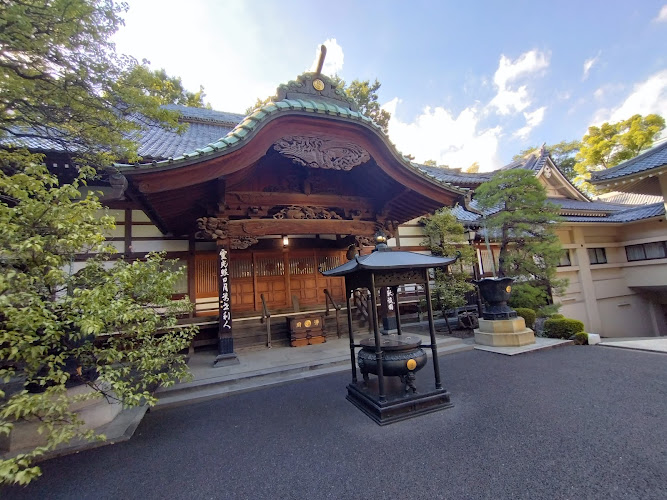
Tucked into the leafy streets of Kichijoji, Gessōji (Gessoji) Temple is a quietly atmospheric Buddhist temple that offers a welcome contrast to the bustle of central Tokyo. Founded centuries ago as a local neighborhood temple, Gessōji’s modest wooden halls, well-tended grounds and traditional stone lanterns give visitors a sense of everyday religious life rather than a staged tourist attraction. What makes Gessōji special is its intimate scale and the chance to observe—or sometimes join—local rituals such as short zazen sessions, sutra readings or seasonal memorials. Its gardens and shaded walkways are particularly pleasant in spring when cherry blossoms lighten the canopy and in autumn when maples color the paths. Visitors with even a brief interest in Japanese culture will appreciate the layered history visible in the architecture, the quietly curated temple grounds, and the feeling of stepping into a living community site. It’s an excellent stop for travelers who want a contemplative pause between nearby shopping and dining in Kichijoji.
Gessōji Temple represents one of those Buddhist sites where history and everyday Japanese spirituality intersect in ways that don’t always make it into the glossy travel brochures. This isn’t your typical tourist-packed temple where you’re shuffling through with hundreds of others taking identical photos. Instead, it offers visitors something a bit more grounded – a chance to experience a working temple that still serves its local community while welcoming curious travelers.
The temple grounds carry that particular atmosphere you find in places where people have been seeking peace and contemplation for generations. Walking through here, you get the sense that this isn’t just a museum piece maintained for tourists; it’s a living piece of Japanese Buddhist tradition. I remember visiting smaller temples like this during my time in Japan and being struck by how different they felt from the famous landmarks – there’s an authenticity that comes from places that haven’t been completely transformed by their tourism appeal.
What makes Gessōji particularly interesting is its connection to the broader shōtengai culture in its area. These traditional shopping streets that you find throughout Japan create a whole ecosystem around temples like this one, and experiencing both together gives you a fuller picture of how religious and commercial life have coexisted in Japanese communities for centuries. The temple doesn’t stand isolated on some mountaintop; it’s woven into the fabric of daily life.
Visitors consistently appreciate the peaceful atmosphere here, and honestly, that’s worth emphasizing. In our hyperconnected world where genuine tranquility feels increasingly rare, finding a space where you can actually hear yourself think has become a luxury. The temple delivers on this front without being so remote that getting there becomes an expedition.
The distinctive elements of Gessōji Temple include several aspects that travelers should know about before visiting:
• Authentic Buddhist Architecture: The temple buildings showcase traditional Japanese architectural styles that have been maintained over the years, giving visitors genuine insight into how these sacred spaces were designed and constructed.
• Accessible Restroom Facilities: Unlike many smaller temples that lack visitor amenities, Gessōji provides proper restroom facilities, which is more important than you might think when you’re temple-hopping for a day.
• Local Community Integration: The temple remains active in serving its local Buddhist community, meaning visitors might witness actual religious practices rather than just viewing an empty historic site.
• Photography Opportunities: The temple grounds offer numerous spots for capturing that quintessential Japanese temple aesthetic without the crowds that plague more famous locations.
• Seasonal Garden Elements: Like many Japanese temples, Gessōji features garden spaces that transform with the seasons, providing different visual experiences depending on when you visit.
• Contemplative Spaces: The layout includes areas specifically designed for meditation and quiet reflection, which visitors are generally welcome to use respectfully.
• Cultural Learning Opportunity: The temple serves as an excellent introduction to Zen Buddhist practices and temple etiquette for travelers unfamiliar with these traditions.
Timing your visit to Gessōji Temple can significantly impact your experience, and honestly, there isn’t one “perfect” time that works for everyone – it depends on what you’re seeking.
Spring brings the cherry blossom season that Japan is famous for, typically late March through early April. If the temple grounds have sakura trees (and most do), you’ll witness that spectacular pink canopy that gets shared millions of times on social media. But here’s the thing – you won’t be alone. Spring attracts the highest number of visitors to Japanese temples generally, so expect more company even at less famous sites like Gessōji.
Summer offers lush greenery and longer days, giving you more flexibility in your schedule. The temperature can get pretty intense though, especially if you’re not accustomed to Japanese humidity. I’d suggest early morning visits during summer months – you’ll beat both the heat and the crowds, plus there’s something special about temple grounds in morning light that afternoon just doesn’t capture.
Autumn might actually be my personal recommendation for Gessōji. The fall foliage season (koyo) typically peaks in November, painting the temple surroundings in reds, oranges, and golds that rival spring’s cherry blossoms. And somehow, autumn temple visits feel more contemplative, maybe because the season itself carries that sense of transition and reflection.
Winter visiting has its own appeal if you don’t mind cold weather. Temples in winter attract the fewest tourists, meaning you might have significant portions of the grounds to yourself. If snow falls, the transformation is remarkable – traditional Japanese architecture looks absolutely stunning under snow cover. Just dress appropriately because Japanese buildings often aren’t heated the way Western visitors expect.
Weekday visits generally offer quieter experiences than weekends regardless of season. If your schedule allows, a Tuesday or Wednesday morning visit might give you the most peaceful experience possible.
Reaching Gessōji Temple requires some planning, but it’s not so complicated that you need a guide or tour group. The temple’s location makes it accessible for independent travelers who’ve figured out Japan’s excellent public transportation system.
The most reliable approach involves using Japan’s railway network. Depending on where you’re starting from, you’ll want to identify the nearest major station and then determine the best route from there. Google Maps actually works quite well for Japanese train navigation, though I’d also recommend downloading a dedicated Japan transit app before your trip.
From the nearest station, you’ll likely need to either walk or take a local bus. Walking gives you a better feel for the neighborhood and lets you explore that shōtengai culture mentioned earlier. The shopping streets near temples often house family-run businesses that have operated for generations – little shops selling traditional sweets, tea, incense, and everyday items that locals actually use.
If you’re driving, parking near Japanese temples can be tricky. Some smaller temples lack dedicated parking lots, and street parking rules are strict. Unless you’re particularly confident navigating Japanese roads and parking regulations, I’d stick with public transit.
Taxis work as an option, though they’re considerably more expensive than trains and buses. The advantage is door-to-door service and not needing to decipher transit maps. If you’re traveling as a group, splitting taxi fare might actually be reasonable.
For international visitors, having your destination written in Japanese characters can be incredibly helpful. Screenshot the temple name in kanji or keep it saved on your phone to show drivers or station attendants if needed.
Making the most of your Gessōji Temple visit involves understanding both practical considerations and cultural expectations. Temple etiquette in Japan follows certain unwritten rules that respectful visitors should know.
First off, dress modestly. You don’t need to wear formal clothing, but shoulders and knees should generally be covered. This isn’t just about religious respect – it’s about not standing out as an oblivious tourist. Japanese visitors naturally dress appropriately, and following their lead shows consideration.
Remove your shoes when entering any temple buildings. This is non-negotiable in Japanese culture. You’ll usually find designated areas for shoe removal with shelves or lockers provided. Wear socks that don’t have holes – you’ll be walking around in them, and nobody wants to display their toe through a worn sock.
Photography is generally allowed in temple grounds but not always inside buildings, especially main worship halls. When in doubt, look for signs or observe what others are doing. And please, never use flash photography around religious statuary or altars. It’s disrespectful and damages delicate artwork over time.
Bring cash in smaller denominations. If you want to make an offering or purchase omamori (protective amulets), you’ll need coins and small bills. Many temples don’t accept credit cards for these traditional items.
Respect any ongoing religious ceremonies. If you encounter monks performing services or local worshippers praying, maintain appropriate distance and silence. You’re a guest in their sacred space, not a paying customer at an attraction.
The restroom facilities mentioned earlier are a genuine convenience, but remember they’re typically Japanese-style facilities. If you’re not familiar with both Western-style and traditional Japanese toilets, there might be a learning curve. Most temples maintain very clean facilities, though.
Visit during off-peak hours if possible. Early morning, say before 9 AM, offers the most serene experience. Late afternoon can also be lovely, especially as the light changes and day visitors depart.
Learn a few basic Japanese phrases. “Sumimasen” (excuse me) and “arigatou gozaimasu” (thank you very much) go a long way. Temple staff and monks rarely speak extensive English, and making even a small effort to communicate in Japanese is appreciated.
Finally, take your time. The whole point of visiting a Buddhist temple is experiencing peace and contemplation, not checking it off a list. Sit for a while. Observe. Let the space work its calming influence. You didn’t travel all the way to Japan to rush through experiences like you’re completing a scavenger hunt.
Gessōji Temple rewards visitors who approach it with openness and respect, offering a window into Japanese spiritual life that feels genuine rather than staged. That’s increasingly rare and worth experiencing fully.
Last modified August 17, 2026
Gessōji Temple represents one of those Buddhist sites where history and everyday Japanese spirituality intersect in ways that don’t always make it into the glossy travel brochures. This isn’t your typical tourist-packed temple where you’re shuffling through with hundreds of others taking identical photos. Instead, it offers visitors something a bit more grounded – a chance to experience a working temple that still serves its local community while welcoming curious travelers.
The temple grounds carry that particular atmosphere you find in places where people have been seeking peace and contemplation for generations. Walking through here, you get the sense that this isn’t just a museum piece maintained for tourists; it’s a living piece of Japanese Buddhist tradition. I remember visiting smaller temples like this during my time in Japan and being struck by how different they felt from the famous landmarks – there’s an authenticity that comes from places that haven’t been completely transformed by their tourism appeal.
What makes Gessōji particularly interesting is its connection to the broader shōtengai culture in its area. These traditional shopping streets that you find throughout Japan create a whole ecosystem around temples like this one, and experiencing both together gives you a fuller picture of how religious and commercial life have coexisted in Japanese communities for centuries. The temple doesn’t stand isolated on some mountaintop; it’s woven into the fabric of daily life.
Visitors consistently appreciate the peaceful atmosphere here, and honestly, that’s worth emphasizing. In our hyperconnected world where genuine tranquility feels increasingly rare, finding a space where you can actually hear yourself think has become a luxury. The temple delivers on this front without being so remote that getting there becomes an expedition.
The distinctive elements of Gessōji Temple include several aspects that travelers should know about before visiting:
• Authentic Buddhist Architecture: The temple buildings showcase traditional Japanese architectural styles that have been maintained over the years, giving visitors genuine insight into how these sacred spaces were designed and constructed.
• Accessible Restroom Facilities: Unlike many smaller temples that lack visitor amenities, Gessōji provides proper restroom facilities, which is more important than you might think when you’re temple-hopping for a day.
• Local Community Integration: The temple remains active in serving its local Buddhist community, meaning visitors might witness actual religious practices rather than just viewing an empty historic site.
• Photography Opportunities: The temple grounds offer numerous spots for capturing that quintessential Japanese temple aesthetic without the crowds that plague more famous locations.
• Seasonal Garden Elements: Like many Japanese temples, Gessōji features garden spaces that transform with the seasons, providing different visual experiences depending on when you visit.
• Contemplative Spaces: The layout includes areas specifically designed for meditation and quiet reflection, which visitors are generally welcome to use respectfully.
• Cultural Learning Opportunity: The temple serves as an excellent introduction to Zen Buddhist practices and temple etiquette for travelers unfamiliar with these traditions.
Timing your visit to Gessōji Temple can significantly impact your experience, and honestly, there isn’t one “perfect” time that works for everyone – it depends on what you’re seeking.
Spring brings the cherry blossom season that Japan is famous for, typically late March through early April. If the temple grounds have sakura trees (and most do), you’ll witness that spectacular pink canopy that gets shared millions of times on social media. But here’s the thing – you won’t be alone. Spring attracts the highest number of visitors to Japanese temples generally, so expect more company even at less famous sites like Gessōji.
Summer offers lush greenery and longer days, giving you more flexibility in your schedule. The temperature can get pretty intense though, especially if you’re not accustomed to Japanese humidity. I’d suggest early morning visits during summer months – you’ll beat both the heat and the crowds, plus there’s something special about temple grounds in morning light that afternoon just doesn’t capture.
Autumn might actually be my personal recommendation for Gessōji. The fall foliage season (koyo) typically peaks in November, painting the temple surroundings in reds, oranges, and golds that rival spring’s cherry blossoms. And somehow, autumn temple visits feel more contemplative, maybe because the season itself carries that sense of transition and reflection.
Winter visiting has its own appeal if you don’t mind cold weather. Temples in winter attract the fewest tourists, meaning you might have significant portions of the grounds to yourself. If snow falls, the transformation is remarkable – traditional Japanese architecture looks absolutely stunning under snow cover. Just dress appropriately because Japanese buildings often aren’t heated the way Western visitors expect.
Weekday visits generally offer quieter experiences than weekends regardless of season. If your schedule allows, a Tuesday or Wednesday morning visit might give you the most peaceful experience possible.
Reaching Gessōji Temple requires some planning, but it’s not so complicated that you need a guide or tour group. The temple’s location makes it accessible for independent travelers who’ve figured out Japan’s excellent public transportation system.
The most reliable approach involves using Japan’s railway network. Depending on where you’re starting from, you’ll want to identify the nearest major station and then determine the best route from there. Google Maps actually works quite well for Japanese train navigation, though I’d also recommend downloading a dedicated Japan transit app before your trip.
From the nearest station, you’ll likely need to either walk or take a local bus. Walking gives you a better feel for the neighborhood and lets you explore that shōtengai culture mentioned earlier. The shopping streets near temples often house family-run businesses that have operated for generations – little shops selling traditional sweets, tea, incense, and everyday items that locals actually use.
If you’re driving, parking near Japanese temples can be tricky. Some smaller temples lack dedicated parking lots, and street parking rules are strict. Unless you’re particularly confident navigating Japanese roads and parking regulations, I’d stick with public transit.
Taxis work as an option, though they’re considerably more expensive than trains and buses. The advantage is door-to-door service and not needing to decipher transit maps. If you’re traveling as a group, splitting taxi fare might actually be reasonable.
For international visitors, having your destination written in Japanese characters can be incredibly helpful. Screenshot the temple name in kanji or keep it saved on your phone to show drivers or station attendants if needed.
Making the most of your Gessōji Temple visit involves understanding both practical considerations and cultural expectations. Temple etiquette in Japan follows certain unwritten rules that respectful visitors should know.
First off, dress modestly. You don’t need to wear formal clothing, but shoulders and knees should generally be covered. This isn’t just about religious respect – it’s about not standing out as an oblivious tourist. Japanese visitors naturally dress appropriately, and following their lead shows consideration.
Remove your shoes when entering any temple buildings. This is non-negotiable in Japanese culture. You’ll usually find designated areas for shoe removal with shelves or lockers provided. Wear socks that don’t have holes – you’ll be walking around in them, and nobody wants to display their toe through a worn sock.
Photography is generally allowed in temple grounds but not always inside buildings, especially main worship halls. When in doubt, look for signs or observe what others are doing. And please, never use flash photography around religious statuary or altars. It’s disrespectful and damages delicate artwork over time.
Bring cash in smaller denominations. If you want to make an offering or purchase omamori (protective amulets), you’ll need coins and small bills. Many temples don’t accept credit cards for these traditional items.
Respect any ongoing religious ceremonies. If you encounter monks performing services or local worshippers praying, maintain appropriate distance and silence. You’re a guest in their sacred space, not a paying customer at an attraction.
The restroom facilities mentioned earlier are a genuine convenience, but remember they’re typically Japanese-style facilities. If you’re not familiar with both Western-style and traditional Japanese toilets, there might be a learning curve. Most temples maintain very clean facilities, though.
Visit during off-peak hours if possible. Early morning, say before 9 AM, offers the most serene experience. Late afternoon can also be lovely, especially as the light changes and day visitors depart.
Learn a few basic Japanese phrases. “Sumimasen” (excuse me) and “arigatou gozaimasu” (thank you very much) go a long way. Temple staff and monks rarely speak extensive English, and making even a small effort to communicate in Japanese is appreciated.
Finally, take your time. The whole point of visiting a Buddhist temple is experiencing peace and contemplation, not checking it off a list. Sit for a while. Observe. Let the space work its calming influence. You didn’t travel all the way to Japan to rush through experiences like you’re completing a scavenger hunt.
Gessōji Temple rewards visitors who approach it with openness and respect, offering a window into Japanese spiritual life that feels genuine rather than staged. That’s increasingly rare and worth experiencing fully.

No reviews found! Be the first to review!
Gessōji Temple is a prominent attractions located in Musashino.
Visit us at: 1 Chome-11-26 Kichijoji Honcho, Musashino, Tokyo 180-0004, Japan.
Explore verified points of interest within walking or short transit distance.
No neighboring places mapped within 5 km yet.
Stay22 provides this accommodation search. We may earn a commission if you book through it; verify current prices and terms with the provider.
GetYourGuide provides this tour inventory. We may earn a commission if you book through it; verify current availability, prices, and terms with the provider.
We may earn a commission if you book through links on this page at no extra cost to you. All tours feature verified customer reviews and flexible cancellation options.
No traveler reviews yet. Share your experience below!
No traveler questions yet. Be the first to ask a local!