

Geological Survey Museum
About Geological Survey Museum
The Geological Survey Museum in Windhoek is one of those quiet treasures that most travelers don’t hear about until they stumble upon it—or someone local insists they go. It’s not flashy or over-the-top, but that’s part of its charm. The museum feels authentic, like stepping into a time capsule of Namibia’s deep geological past. You walk in and immediately sense that this place was built out of genuine curiosity and passion for the Earth beneath our feet.
Inside, the displays tell stories of ancient landscapes, long-extinct creatures, and minerals that shimmer like they’re hiding secrets. Fossils, rocks, and minerals fill the space, each one labeled with care. There’s something oddly humbling about standing in front of a fossilized creature that roamed the land millions of years ago—it makes you feel small, but in a good way. I remember the first time I visited; I spent nearly twenty minutes just staring at an ammonite fossil, trying to imagine it moving through prehistoric seas. It’s that kind of place—quiet, reflective, and oddly captivating.
The museum is well-kept, though not overly polished, and that’s what gives it character. You can tell that the staff care deeply about what they do. There’s a warmth to the way they talk about the exhibits, as if each rock has its own story to tell. And while it’s not a massive museum, it’s packed with enough detail to keep both casual visitors and geology enthusiasts engaged. If you’ve got kids, they’ll probably love the dinosaur fossils and the colorful mineral displays. It’s educational without feeling like a classroom—more like a discovery zone for curious minds.
Accessibility is another plus. The museum is wheelchair-friendly, with accessible restrooms and parking. It’s one of those rare places that manages to be both educational and easygoing, making it a good stop for families, solo travelers, or anyone who enjoys learning about the natural world.
Key Features
- Extensive collection of Namibian minerals, rocks, and fossils that showcase the country’s geological diversity.
- Fossil exhibits featuring prehistoric creatures that once roamed southern Africa.
- Informative displays on Namibia’s mining history and its role in the global mineral industry.
- Interactive educational panels designed for both adults and children.
- Wheelchair-accessible facilities, including restrooms and parking areas.
- Friendly, knowledgeable staff who are always happy to answer questions or share interesting geological facts.
- Quiet, uncrowded environment—ideal for those who prefer a more personal museum experience.
Best Time to Visit
Honestly, there isn’t a bad time to visit the Geological Survey Museum, but if I had to pick, mornings are best. The air is cooler, the lighting inside is softer, and you’ll likely have the place almost to yourself. I’ve gone in the late afternoon too, and while it’s still pleasant, mornings just have that calm, unhurried vibe that makes learning feel more immersive. Weekdays tend to be quieter than weekends, so if you’re the kind of traveler who enjoys taking your time with exhibits, plan accordingly.
Namibia’s dry season—from May to October—is generally the most comfortable time to explore Windhoek as a whole. The weather’s mild, and you can easily pair your museum visit with nearby attractions or a leisurely coffee stop afterward. Just remember that Windhoek can get pretty hot in summer, so if you’re not a fan of the heat, aim for the cooler months.
How to Get There
Getting to the Geological Survey Museum is straightforward, especially if you’re already in Windhoek. Most travelers either take a taxi or drive themselves—parking is available and easy to find. If you’re staying in the city center, it’s just a short drive away, and the route is simple enough that even first-time visitors to Namibia won’t have trouble finding it. I actually walked once, just to get a feel for the city streets, and it wasn’t bad at all—though I wouldn’t recommend it during the midday sun!
Public transportation options are limited, so if you don’t have a car, a local taxi or rideshare is your best bet. Drivers in Windhoek are usually friendly and familiar with the museum, so just mention “Geological Survey Museum” and they’ll know exactly where to go. For those on organized tours, it’s often included as a stop on city sightseeing routes, especially for travelers interested in science or history.
Tips for Visiting
Here’s the thing about the Geological Survey Museum—it rewards curiosity. So, take your time. Don’t rush through the exhibits. Read the labels, ask questions, and if you’re lucky, one of the staff might share a story or two about how certain specimens were discovered. I once chatted with a geologist there who told me about a rare mineral found deep in Namibia’s desert—it wasn’t even on display yet, but hearing about it made me appreciate the collection even more.
Bring a bottle of water and maybe a small snack if you plan to explore other nearby attractions afterward since there’s no restaurant on-site. The museum itself doesn’t take long to explore—maybe an hour or two—but it’s the kind of place that leaves a lasting impression. If you’re traveling with kids, encourage them to take notes or sketch some of the fossils; it’s a fun way to keep them engaged.
Photography is usually allowed, and trust me, those mineral displays make for some stunning shots. Just be respectful of other visitors and avoid using flash near delicate specimens. And here’s a small but important tip: check the opening hours before you go. They can vary depending on public holidays or academic schedules.
Lastly, approach the visit with a sense of wonder. This isn’t a museum trying to impress with grandeur—it’s one that quietly celebrates the Earth’s story, layer by layer. By the time you leave, you’ll probably find yourself looking at the ground beneath your feet a little differently. And isn’t that what good travel experiences do? They change how you see the world, even in the smallest ways.
Key Features
- Extensive collection of Namibian minerals, rocks, and fossils that showcase the country’s geological diversity.
- Fossil exhibits featuring prehistoric creatures that once roamed southern Africa.
- Informative displays on Namibia’s mining history and its role in the global mineral industry.
- Interactive educational panels designed for both adults and children.
- Wheelchair-accessible facilities, including restrooms and parking areas.
- Friendly, knowledgeable staff who are always happy to answer questions or share interesting geological facts.
- Quiet, uncrowded environment—ideal for those who prefer a more personal museum experience.
You Might Also Like
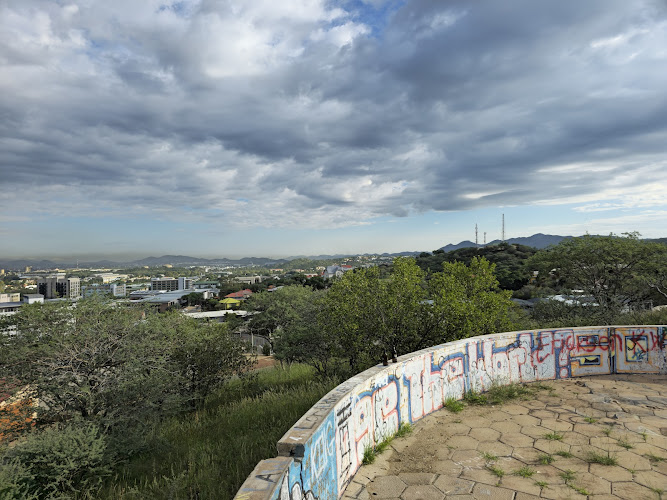
3 Circles viewpoint Windhoek
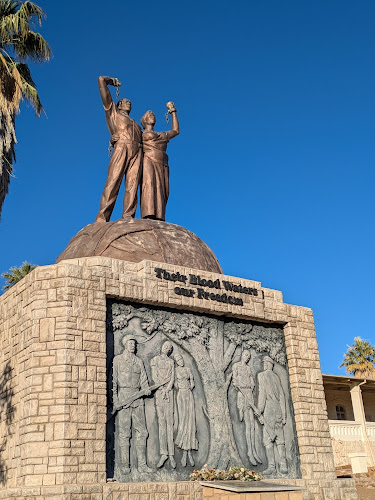
Alte Feste
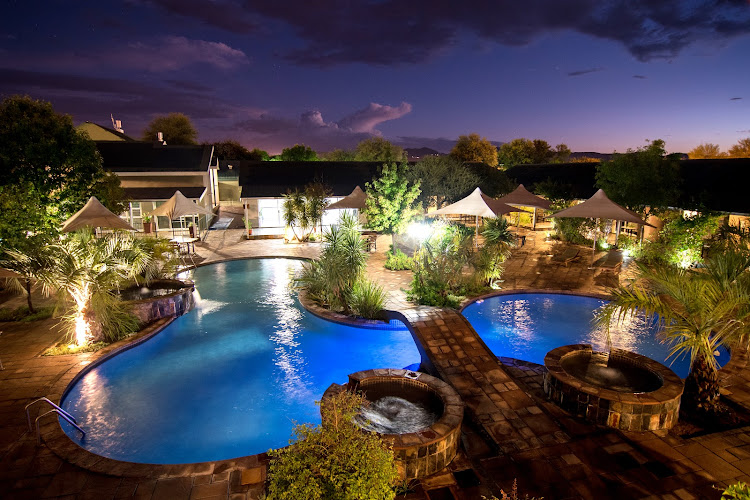
Arebbusch Travel Lodge
Tours & Activities
GetYourGuide provides this tour inventory. We may earn a commission if you book through it; verify current availability, prices, and terms with the provider.
Visitor Reviews
There are no reviews yet. Be the first one to write one.
Share Your Experience
Have you visited Geological Survey Museum? Help other travelers by leaving a review.