General Santos City Fish Port Complex
About General Santos City Fish Port Complex
Description
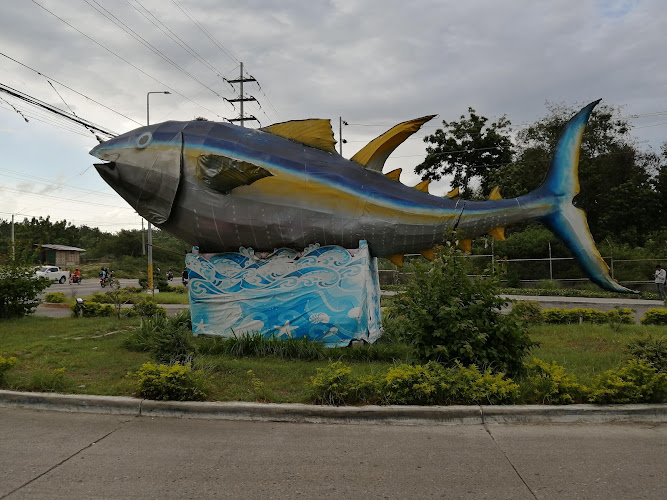
The General Santos City Fish Port Complex is one of those places that somehow manages to feel both industrial and alive at the same time. It’s not your typical tourist attraction with fancy décor or souvenir stalls at every corner, but that’s exactly what gives it its charm. This is the beating heart of the Philippines’ tuna industry—a place where the smell of the sea, the hum of engines, and the chatter of fishermen all blend into a kind of organized chaos that’s oddly mesmerizing.
Located along the coast of General Santos City, this massive fish port isn’t just a hub for business; it’s a living, breathing community. Every morning (and I mean early morning—before sunrise!), the port comes alive with workers hauling in fresh catches of yellowfin tuna, marlin, and other prized fish. Watching the auction floor in action feels like witnessing a well-rehearsed dance—buyers shouting bids, workers slicing through huge tuna with practiced precision, and the entire place buzzing with purpose.
For travelers who love authentic experiences, this place is a gem. It’s gritty, real, and gives you a front-row seat to the daily grind that fuels an entire city’s economy. And while some visitors might find it a bit overwhelming at first—the smell of fish, the slippery floors, the constant movement—it’s hard not to be impressed by the sheer scale of it all. The port has modern facilities, cold storage warehouses, and even processing plants that handle tons of seafood each day. It’s a place that tells a story of hard work, tradition, and pride.
Not everything is perfect, of course. The place can get crowded, and if you’re not used to the strong scent of the sea, you might need a minute to adjust. But once you do, you start to see the beauty in the details—the smiles of the workers, the glint of silver fish under the morning sun, and the sense that you’re witnessing something truly Filipino at its core.
Key Features
- Tuna Capital of the Philippines: The port is the main landing site for tuna, with thousands of tons processed and exported yearly.
- Massive Infrastructure: The complex features a 750-meter quay and a 300-meter wharf that can handle large reefer carriers and fishing vessels.
- Cold Storage and Processing Facilities: Equipped with modern cold storage units and processing plants that maintain the freshness of the catch.
- Fish Auction Market: A lively trading floor where buyers and sellers negotiate prices in real time, especially during early morning hours.
- Accessibility: The port includes wheelchair-accessible entrances and parking, making it more inclusive for visitors.
- Payment Options: Credit card payments are accepted in some areas, particularly for guided tours or charter services.
- Fishing Charters: Offers opportunities for visitors to join local fishing charters, giving them a hands-on experience of tuna fishing.
One thing I personally love about the place is how it manages to balance tradition with modernization. You’ll see fishermen using age-old techniques right next to refrigerated trucks and automated weighing systems. It’s a fascinating blend of old and new, and if you’re into photography, this place is pure gold.
Best Time to Visit
If you’re planning to visit, set your alarm early—really early. The best time to experience the action is between 4:00 AM and 7:00 AM when the fresh catch arrives. That’s when the port is most alive, and you’ll get to witness the famous tuna auctions in full swing.
Weather-wise, the cooler months from November to February are ideal. The mornings are crisp, and the sea breeze feels refreshing rather than humid. Avoid visiting during the peak of the rainy season (around July to September) because heavy rains can make the port slippery and limit some activities.
And here’s a little insider tip: if you can, visit during the annual Tuna Festival in September. Even though the port itself gets busier than usual, the energy in the city is contagious. There are parades, street food stalls, and cultural shows celebrating the city’s fishing heritage—definitely worth timing your trip for.
How to Get There
Getting to the General Santos City Fish Port Complex is pretty straightforward. From the city center, it’s about a 20-minute drive. You can hire a tricycle if you’re traveling light or a taxi if you prefer comfort. Some local tour operators also include the fish port as part of their city tours, which can save you the hassle of navigating the area on your own.
If you’re coming from outside the city, General Santos International Airport is your main entry point. From there, you can take a private van or a local jeepney heading toward Barangay Tambler. Signage is clear enough, and locals are always happy to point you in the right direction—Filipinos are famously friendly like that.
Just remember that visitors are required to wear proper attire for safety and hygiene reasons. Closed shoes are a must, and if you plan to go inside the processing areas, you’ll need to wear a hairnet and a white coat (usually provided by the management).
Tips for Visiting
There are a few things I wish I’d known before my first visit, so here’s a quick list to help you make the most of your trip:
- Go early: The most exciting part of the day happens before sunrise. Bring coffee if you must, but don’t miss it.
- Dress appropriately: Wear something comfortable and non-slip shoes. The floors can get wet and slippery.
- Bring a jacket: The cold storage areas are freezing, and even outside, the sea breeze can be chilly in the morning.
- Ask before taking photos: Some areas are off-limits for photography, especially where exports are handled. Always ask permission first.
- Try the local seafood: There’s a small canteen nearby that serves freshly grilled tuna belly—it’s unbelievably good.
- Be respectful: Remember, this is a working port. The people here are doing real, hard labor. A smile or a simple “salamat” (thank you) goes a long way.
- Join a fishing charter: If you really want to experience what it’s like to be part of the tuna trade, book a local charter. It’s a once-in-a-lifetime adventure.
I’ll be honest—this isn’t the kind of place you visit for comfort or luxury. It’s raw, loud, and smells like fish (obviously). But that’s what makes it unforgettable. You get a glimpse of the real General Santos City, the side that doesn’t try to impress tourists but ends up doing so anyway.
And if you’re anything like me, you’ll leave with a newfound respect for the people who keep this industry alive. It’s not glamorous work, but it’s honest, and it sustains thousands of families. The port reflects the spirit of the city—resilient, hardworking, and proud. So, if you ever find yourself in General Santos, don’t skip this place. Bring your curiosity, your camera, and maybe an extra shirt (because you’ll probably smell like fish afterward). But trust me, it’s worth it.
Key Features
- Key Features
- Best Time to Visit
- How to Get There
- Tips for Visiting
More Details
Updated November 7, 2025
Table of Contents
- Description
- Key Features
- Best Time to Visit
- How to Get There
- Tips for Visiting
- Key Highlights
- Location
- Places to Stay Near General Santos City Fish Port Complex
- Find and Book a Tour
- Explore More Travel Guides
- Nearby Places You Might Like
- Traveler Reviews for General Santos City Fish Port Complex
- Share Your Experience
Description
The General Santos City Fish Port Complex is one of those places that somehow manages to feel both industrial and alive at the same time. It’s not your typical tourist attraction with fancy décor or souvenir stalls at every corner, but that’s exactly what gives it its charm. This is the beating heart of the Philippines’ tuna industry—a place where the smell of the sea, the hum of engines, and the chatter of fishermen all blend into a kind of organized chaos that’s oddly mesmerizing.
Located along the coast of General Santos City, this massive fish port isn’t just a hub for business; it’s a living, breathing community. Every morning (and I mean early morning—before sunrise!), the port comes alive with workers hauling in fresh catches of yellowfin tuna, marlin, and other prized fish. Watching the auction floor in action feels like witnessing a well-rehearsed dance—buyers shouting bids, workers slicing through huge tuna with practiced precision, and the entire place buzzing with purpose.
For travelers who love authentic experiences, this place is a gem. It’s gritty, real, and gives you a front-row seat to the daily grind that fuels an entire city’s economy. And while some visitors might find it a bit overwhelming at first—the smell of fish, the slippery floors, the constant movement—it’s hard not to be impressed by the sheer scale of it all. The port has modern facilities, cold storage warehouses, and even processing plants that handle tons of seafood each day. It’s a place that tells a story of hard work, tradition, and pride.
Not everything is perfect, of course. The place can get crowded, and if you’re not used to the strong scent of the sea, you might need a minute to adjust. But once you do, you start to see the beauty in the details—the smiles of the workers, the glint of silver fish under the morning sun, and the sense that you’re witnessing something truly Filipino at its core.
Key Features
- Tuna Capital of the Philippines: The port is the main landing site for tuna, with thousands of tons processed and exported yearly.
- Massive Infrastructure: The complex features a 750-meter quay and a 300-meter wharf that can handle large reefer carriers and fishing vessels.
- Cold Storage and Processing Facilities: Equipped with modern cold storage units and processing plants that maintain the freshness of the catch.
- Fish Auction Market: A lively trading floor where buyers and sellers negotiate prices in real time, especially during early morning hours.
- Accessibility: The port includes wheelchair-accessible entrances and parking, making it more inclusive for visitors.
- Payment Options: Credit card payments are accepted in some areas, particularly for guided tours or charter services.
- Fishing Charters: Offers opportunities for visitors to join local fishing charters, giving them a hands-on experience of tuna fishing.
One thing I personally love about the place is how it manages to balance tradition with modernization. You’ll see fishermen using age-old techniques right next to refrigerated trucks and automated weighing systems. It’s a fascinating blend of old and new, and if you’re into photography, this place is pure gold.
Best Time to Visit
If you’re planning to visit, set your alarm early—really early. The best time to experience the action is between 4:00 AM and 7:00 AM when the fresh catch arrives. That’s when the port is most alive, and you’ll get to witness the famous tuna auctions in full swing.
Weather-wise, the cooler months from November to February are ideal. The mornings are crisp, and the sea breeze feels refreshing rather than humid. Avoid visiting during the peak of the rainy season (around July to September) because heavy rains can make the port slippery and limit some activities.
And here’s a little insider tip: if you can, visit during the annual Tuna Festival in September. Even though the port itself gets busier than usual, the energy in the city is contagious. There are parades, street food stalls, and cultural shows celebrating the city’s fishing heritage—definitely worth timing your trip for.
How to Get There
Getting to the General Santos City Fish Port Complex is pretty straightforward. From the city center, it’s about a 20-minute drive. You can hire a tricycle if you’re traveling light or a taxi if you prefer comfort. Some local tour operators also include the fish port as part of their city tours, which can save you the hassle of navigating the area on your own.
If you’re coming from outside the city, General Santos International Airport is your main entry point. From there, you can take a private van or a local jeepney heading toward Barangay Tambler. Signage is clear enough, and locals are always happy to point you in the right direction—Filipinos are famously friendly like that.
Just remember that visitors are required to wear proper attire for safety and hygiene reasons. Closed shoes are a must, and if you plan to go inside the processing areas, you’ll need to wear a hairnet and a white coat (usually provided by the management).
Tips for Visiting
There are a few things I wish I’d known before my first visit, so here’s a quick list to help you make the most of your trip:
- Go early: The most exciting part of the day happens before sunrise. Bring coffee if you must, but don’t miss it.
- Dress appropriately: Wear something comfortable and non-slip shoes. The floors can get wet and slippery.
- Bring a jacket: The cold storage areas are freezing, and even outside, the sea breeze can be chilly in the morning.
- Ask before taking photos: Some areas are off-limits for photography, especially where exports are handled. Always ask permission first.
- Try the local seafood: There’s a small canteen nearby that serves freshly grilled tuna belly—it’s unbelievably good.
- Be respectful: Remember, this is a working port. The people here are doing real, hard labor. A smile or a simple “salamat” (thank you) goes a long way.
- Join a fishing charter: If you really want to experience what it’s like to be part of the tuna trade, book a local charter. It’s a once-in-a-lifetime adventure.
I’ll be honest—this isn’t the kind of place you visit for comfort or luxury. It’s raw, loud, and smells like fish (obviously). But that’s what makes it unforgettable. You get a glimpse of the real General Santos City, the side that doesn’t try to impress tourists but ends up doing so anyway.
And if you’re anything like me, you’ll leave with a newfound respect for the people who keep this industry alive. It’s not glamorous work, but it’s honest, and it sustains thousands of families. The port reflects the spirit of the city—resilient, hardworking, and proud. So, if you ever find yourself in General Santos, don’t skip this place. Bring your curiosity, your camera, and maybe an extra shirt (because you’ll probably smell like fish afterward). But trust me, it’s worth it.

Key Highlights
- Key Features
- Best Time to Visit
- How to Get There
- Tips for Visiting
Location
Places to Stay Near General Santos City Fish Port Complex
Find and Book a Tour
Explore More Travel Guides
No reviews found! Be the first to review!
Traveler Reviews for General Santos City Fish Port Complex
There are no reviews yet. Be the first one to write one.
Have you visited General Santos City Fish Port Complex? Help other travelers by sharing your review.
Find Accommodations Nearby
Recommended Tours & Activities
Visitor Reviews
There are no reviews yet. Be the first one to write one.
Share Your Experience
Have you visited General Santos City Fish Port Complex? Help other travelers by leaving a review.