About General Paulino Santos Museum

Description

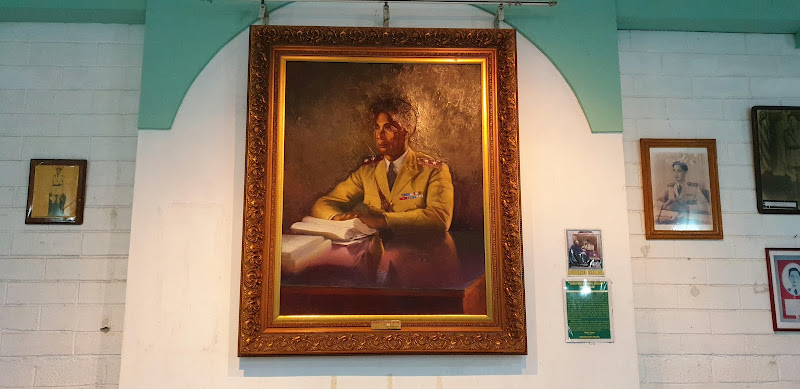
The General Paulino Santos Museum in General Santos City is one of those places that quietly surprises you. It’s not a massive, glittering institution with high-tech displays or fancy cafés, but there’s something deeply personal about it. The museum sits within the Notre Dame of Dadiangas University campus, and it feels more like stepping into a living memory than a typical tourist attraction. It’s dedicated to the city’s namesake, General Paulino Santos, whose legacy is woven into every corner of General Santos City itself.

Walking through the museum, you’ll find a collection that feels intimate—his old uniforms, family photographs, handwritten letters, and even his diaries. They tell the story of a man who helped shape a city and a region, not through grand gestures but through steady leadership and vision. There’s a quiet dignity to the space, and you can almost sense the respect people still hold for him. The exhibits aren’t flashy, but that’s part of the charm. They make you slow down, read, and reflect.

I remember the first time I visited; it was a humid afternoon, and the halls were cool and still. A student volunteer guided me around, and she spoke with this mix of pride and reverence that made me see the place through her eyes. It’s not just about history—it’s about identity. The museum gives you this feeling that you’re standing in the middle of a story that’s still being written. And honestly, that’s what makes it worth the visit.

Key Features

  • Authentic Artifacts: The museum houses personal belongings of General Paulino Santos, including his military uniforms, medals, and handwritten notes.
  • Historical Documents: Visitors can browse through rare photographs and letters that chronicle the city’s early development and the General’s role in it.
  • Educational Displays: The museum features well-curated exhibits that appeal to both students and history enthusiasts, offering a deeper understanding of the region’s heritage.
  • Wheelchair Accessibility: The entrance, restrooms, and parking areas are all designed to be accessible for visitors with mobility needs.
  • Family-Friendly Environment: It’s a calm, safe space where children can learn about local history in an engaging and respectful way.
  • Peaceful Atmosphere: The museum’s quiet setting makes it ideal for reflection and learning, away from the bustle of the city.

What I personally love is how the museum doesn’t try to overwhelm you. It’s small enough that you can take your time, yet rich enough that you leave feeling like you’ve learned something meaningful. It’s the kind of place where you might find yourself reading every little placard because each one adds a piece to the puzzle of who General Santos was—not just as a leader but as a person.

Best Time to Visit

If you’re planning a trip, mornings are the best. The air is cooler, the crowds are thinner, and you can really take your time exploring. The museum usually opens on weekdays, and since it’s within a university campus, you’ll often see students bustling around, which adds a nice local touch to the experience.

Avoid visiting during lunchtime if you can—it tends to be busier, and some staff may be on break. The months from December to February are particularly pleasant in General Santos City since the weather is a bit cooler and less humid. I’ve gone during the summer too, and while it’s perfectly fine, you’ll want to bring a bottle of water and maybe a hand fan. Trust me, the Mindanao heat can sneak up on you.

How to Get There

Getting to the General Paulino Santos Museum is pretty straightforward. If you’re already in General Santos City, you can easily grab a tricycle or taxi and just mention the university—it’s a well-known landmark. From the city center, it’s only a short ride, maybe 10 to 15 minutes depending on traffic.

For those coming from outside the city, General Santos International Airport is the main gateway. From there, it’s about a 30-minute drive to the museum. Public transportation is widely available, but if you prefer convenience, hiring a private car or booking a ride through a local transport app is a good idea.

And here’s a little tip: if you’re not in a rush, take the scenic route. Pass by the city’s main roads—you’ll see a mix of modern buildings, local eateries, and street vendors selling everything from fresh fruits to handmade crafts. It’s a nice way to get a feel for the city before diving into its history at the museum.

Tips for Visiting

Here’s what I’ve learned after a couple of visits—and from chatting with locals who know the place inside out:

  • Take your time. The museum isn’t large, but each display has depth. Don’t just glance—read, observe, and imagine the stories behind the objects.
  • Ask questions. The staff and student guides are incredibly knowledgeable. They often share little anecdotes that you won’t find on the display cards.
  • Bring a camera (but be respectful). Photography is usually allowed, but avoid flash to preserve the artifacts. Some items may be off-limits for photos, so always ask first.
  • Dress comfortably. The space is air-conditioned, but the surrounding area can get warm. Light clothing and comfortable shoes are your best bet.
  • Combine your visit with nearby attractions. Since you’re already in the heart of General Santos, you can explore nearby cafés, local markets, or even the city plaza afterward.
  • Visit on weekdays. Weekends can get a bit busier with families and school groups. If you want a quieter experience, go mid-morning on a weekday.
  • Reflect on the experience. Before you leave, take a moment to sit and think about what you’ve seen. It’s not every day you get to step into the life of someone who helped shape a city’s destiny.

If you’re traveling with kids, this is actually a great spot to introduce them to history in a way that feels tangible. They can see real artifacts, not just pictures in a textbook. And for adults—especially those who love learning about the Philippines’ regional histories—it’s a rewarding stop that adds depth to your understanding of Mindanao.

One thing I always tell friends visiting General Santos City: don’t skip the museum just because it’s small. Sometimes the most memorable places aren’t the grand ones—they’re the ones that tell real stories. The General Paulino Santos Museum does exactly that. It’s a quiet reminder of how much one person’s vision can change an entire community.

So, if you ever find yourself in General Santos, carve out an hour or two to visit. You’ll walk away not only with a deeper appreciation for the city but also for the man whose name it carries. And who knows—you might even find a bit of inspiration tucked between those old photographs and handwritten notes, just like I did.

Key Features

  • Key Features
  • Best Time to Visit
  • How to Get There
  • Tips for Visiting

More Details

Updated November 7, 2025


Description

The General Paulino Santos Museum in General Santos City is one of those places that quietly surprises you. It’s not a massive, glittering institution with high-tech displays or fancy cafés, but there’s something deeply personal about it. The museum sits within the Notre Dame of Dadiangas University campus, and it feels more like stepping into a living memory than a typical tourist attraction. It’s dedicated to the city’s namesake, General Paulino Santos, whose legacy is woven into every corner of General Santos City itself.

Walking through the museum, you’ll find a collection that feels intimate—his old uniforms, family photographs, handwritten letters, and even his diaries. They tell the story of a man who helped shape a city and a region, not through grand gestures but through steady leadership and vision. There’s a quiet dignity to the space, and you can almost sense the respect people still hold for him. The exhibits aren’t flashy, but that’s part of the charm. They make you slow down, read, and reflect.

I remember the first time I visited; it was a humid afternoon, and the halls were cool and still. A student volunteer guided me around, and she spoke with this mix of pride and reverence that made me see the place through her eyes. It’s not just about history—it’s about identity. The museum gives you this feeling that you’re standing in the middle of a story that’s still being written. And honestly, that’s what makes it worth the visit.

Key Features

  • Authentic Artifacts: The museum houses personal belongings of General Paulino Santos, including his military uniforms, medals, and handwritten notes.
  • Historical Documents: Visitors can browse through rare photographs and letters that chronicle the city’s early development and the General’s role in it.
  • Educational Displays: The museum features well-curated exhibits that appeal to both students and history enthusiasts, offering a deeper understanding of the region’s heritage.
  • Wheelchair Accessibility: The entrance, restrooms, and parking areas are all designed to be accessible for visitors with mobility needs.
  • Family-Friendly Environment: It’s a calm, safe space where children can learn about local history in an engaging and respectful way.
  • Peaceful Atmosphere: The museum’s quiet setting makes it ideal for reflection and learning, away from the bustle of the city.

What I personally love is how the museum doesn’t try to overwhelm you. It’s small enough that you can take your time, yet rich enough that you leave feeling like you’ve learned something meaningful. It’s the kind of place where you might find yourself reading every little placard because each one adds a piece to the puzzle of who General Santos was—not just as a leader but as a person.

Best Time to Visit

If you’re planning a trip, mornings are the best. The air is cooler, the crowds are thinner, and you can really take your time exploring. The museum usually opens on weekdays, and since it’s within a university campus, you’ll often see students bustling around, which adds a nice local touch to the experience.

Avoid visiting during lunchtime if you can—it tends to be busier, and some staff may be on break. The months from December to February are particularly pleasant in General Santos City since the weather is a bit cooler and less humid. I’ve gone during the summer too, and while it’s perfectly fine, you’ll want to bring a bottle of water and maybe a hand fan. Trust me, the Mindanao heat can sneak up on you.

How to Get There

Getting to the General Paulino Santos Museum is pretty straightforward. If you’re already in General Santos City, you can easily grab a tricycle or taxi and just mention the university—it’s a well-known landmark. From the city center, it’s only a short ride, maybe 10 to 15 minutes depending on traffic.

For those coming from outside the city, General Santos International Airport is the main gateway. From there, it’s about a 30-minute drive to the museum. Public transportation is widely available, but if you prefer convenience, hiring a private car or booking a ride through a local transport app is a good idea.

And here’s a little tip: if you’re not in a rush, take the scenic route. Pass by the city’s main roads—you’ll see a mix of modern buildings, local eateries, and street vendors selling everything from fresh fruits to handmade crafts. It’s a nice way to get a feel for the city before diving into its history at the museum.

Tips for Visiting

Here’s what I’ve learned after a couple of visits—and from chatting with locals who know the place inside out:

  • Take your time. The museum isn’t large, but each display has depth. Don’t just glance—read, observe, and imagine the stories behind the objects.
  • Ask questions. The staff and student guides are incredibly knowledgeable. They often share little anecdotes that you won’t find on the display cards.
  • Bring a camera (but be respectful). Photography is usually allowed, but avoid flash to preserve the artifacts. Some items may be off-limits for photos, so always ask first.
  • Dress comfortably. The space is air-conditioned, but the surrounding area can get warm. Light clothing and comfortable shoes are your best bet.
  • Combine your visit with nearby attractions. Since you’re already in the heart of General Santos, you can explore nearby cafés, local markets, or even the city plaza afterward.
  • Visit on weekdays. Weekends can get a bit busier with families and school groups. If you want a quieter experience, go mid-morning on a weekday.
  • Reflect on the experience. Before you leave, take a moment to sit and think about what you’ve seen. It’s not every day you get to step into the life of someone who helped shape a city’s destiny.

If you’re traveling with kids, this is actually a great spot to introduce them to history in a way that feels tangible. They can see real artifacts, not just pictures in a textbook. And for adults—especially those who love learning about the Philippines’ regional histories—it’s a rewarding stop that adds depth to your understanding of Mindanao.

One thing I always tell friends visiting General Santos City: don’t skip the museum just because it’s small. Sometimes the most memorable places aren’t the grand ones—they’re the ones that tell real stories. The General Paulino Santos Museum does exactly that. It’s a quiet reminder of how much one person’s vision can change an entire community.

So, if you ever find yourself in General Santos, carve out an hour or two to visit. You’ll walk away not only with a deeper appreciation for the city but also for the man whose name it carries. And who knows—you might even find a bit of inspiration tucked between those old photographs and handwritten notes, just like I did.

Key Highlights

  • Key Features
  • Best Time to Visit
  • How to Get There
  • Tips for Visiting

Location

Places to Stay Near General Paulino Santos Museum

Find and Book a Tour

Explore More Travel Guides

No reviews found! Be the first to review!

Traveler Reviews for General Paulino Santos Museum

There are no reviews yet. Be the first one to write one.

Share Your Experience

Have you visited General Paulino Santos Museum? Help other travelers by sharing your review.

Find Accommodations Nearby

Recommended Tours & Activities

Visitor Reviews

There are no reviews yet. Be the first one to write one.

Share Your Experience

Have you visited General Paulino Santos Museum? Help other travelers by leaving a review.