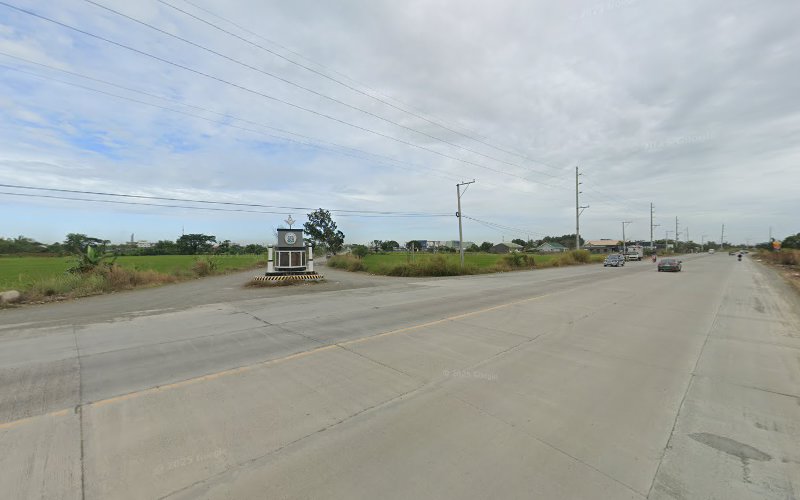
It’s not the kind of place that screams for attention with flashing lights or souvenir stalls — instead, it whispers stories of unity, craftsmanship, and the enduring values of Freemasonry. Travelers who stumble upon it often describe the site as unexpectedly meaningful. It’s one of those places that makes you slow down and think for a moment about how traditions and ideals can transcend centuries.
Built to commemorate 100 years of Freemasonry in the Philippines, the marker is more than a monument — it’s a symbol of the fraternity’s contributions to Philippine society, particularly in education, civic service, and moral development. The design itself feels deliberate, as if every stone and engraving carries a coded message. And perhaps it does. Freemasonry, after all, thrives on symbolism. You’ll notice the familiar square and compass, timeless emblems representing moral uprightness and balance, carved with precision. Standing before it, one can’t help but feel a sense of reverence — not just for the organization it honors, but for the ideals it represents: truth, charity, and brotherhood.
I remember visiting it one humid afternoon, the kind of day when the air feels heavy but the sky is impossibly blue. A local tricycle driver pointed it out to me, saying, “That’s where they honor the Masons.” His tone had a mix of pride and curiosity, as if he too felt the quiet weight of its meaning even if he wasn’t part of the fraternity. The marker itself isn’t large, but it’s dignified. There’s something deeply human about places like this — they remind us that history isn’t just in textbooks; it’s etched in stone, waiting for someone to notice.
For travelers exploring Nueva Ecija, this marker offers a refreshing change of pace. It’s not a crowded attraction, which makes it perfect for those who appreciate calm, reflective spots. Families often stop by, too — yes, even kids seem to enjoy hearing the stories behind the symbols. There’s a subtle educational value here that parents appreciate. And for history buffs or anyone fascinated by Freemasonry’s influence in the Philippines, this site is a must-see.
Key Features
What I personally love about this site is how understated it is. You won’t find flashy signage or ticket booths — just a simple, well-crafted monument that holds decades of meaning. It’s the kind of place that rewards curiosity. If you take a moment to really look at the carvings, you’ll notice the care that went into their creation. Every line feels intentional, every symbol placed with purpose.
Best Time to Visit
If you’re planning to drop by, mornings are the best time. The light hits the stone beautifully around 8 or 9 AM — soft and golden, perfect for photos without the harsh glare of midday sun. Plus, you’ll likely have the place to yourself. Afternoons can be a bit warm, especially during the summer months (March to May), but if you’re like me and don’t mind a little sweat for a good view, late afternoon also works. The sunset glow gives the marker a warm, almost ethereal look.
Weather-wise, the dry season is ideal. Between November and April, you’ll get clear skies and comfortable travel conditions. Rainy months can make the area a bit muddy, and though the marker itself is sturdy, it’s just nicer to linger when it’s dry. And if you happen to be in Cabanatuan during a local holiday or Masonic event, you might catch a small gathering or ceremony — a rare but fascinating sight that adds depth to the experience.
How to Get There
Getting to the Freemasonry Centennial Marker is pretty straightforward. Cabanatuan City is a major hub in Nueva Ecija, so whether you’re coming from Manila, Pampanga, or nearby towns, you’ll find plenty of options. From Manila, buses bound for Cabanatuan leave regularly from terminals in Cubao or Pasay. The ride usually takes around three to four hours, depending on traffic. Once you arrive in the city, you can take a tricycle or jeepney to reach the marker — locals are friendly and will easily point you in the right direction.
If you’re driving, the North Luzon Expressway (NLEX) and the Subic-Clark-Tarlac Expressway (SCTEX) make the trip smooth and scenic. Just be sure to bring some cash for tolls and maybe a few snacks for the road. Parking near the marker isn’t an issue; there’s usually space nearby. And if you’re the type who likes to explore on foot, the area around it is walkable and safe during the day.
For those who prefer guided experiences, some local tour operators in Nueva Ecija include the Freemasonry Centennial Marker as part of their city heritage tours. It’s often paired with visits to nearby landmarks, churches, and museums — a great way to get a fuller picture of Cabanatuan’s historical landscape.
Tips for Visiting
Visiting the Freemasonry Centennial Marker doesn’t require much planning, but a few small things can make your trip smoother and more enjoyable:
- Go early: The morning light is lovely, and you’ll avoid the midday heat.
- Bring water: There aren’t many stores right next to the site, so it’s best to stay hydrated, especially if you’re exploring on foot.
- Wear comfortable shoes: The ground around the marker can be uneven in spots, so sneakers or flats are a good idea.
- Be respectful: This is a commemorative site, so keep noise to a minimum and avoid touching the engravings.
- Ask locals about its story: You’d be surprised how many residents have their own tales or trivia about the marker and Freemasonry in the city.
One small note from my own experience — take a few minutes to just sit nearby and absorb the atmosphere. It’s easy to rush through places like this, snapping a quick photo and moving on, but slowing down lets you appreciate the craftsmanship and the quiet dignity of the monument. If you’re traveling with kids, use the visit as a chance to talk about history and the idea of community service — it’s a nice way to make the trip meaningful for them too.
And don’t forget your camera. The marker’s details photograph beautifully, especially when the sunlight hits the stone just right. If you’re into photography, try experimenting with different angles — a low shot looking up at the engravings gives a dramatic effect. Just keep in mind that this isn’t a touristy spot, so you might have the whole place to yourself. It’s peaceful, almost meditative.
All in all, the Freemasonry Centennial Marker isn’t just another monument — it’s a quiet celebration of ideals that have shaped generations. Whether you’re a traveler chasing hidden gems, a history lover tracing the threads of Freemasonry in the Philippines, or simply someone who enjoys meaningful stops along the way, this site offers something special. It’s not grand or loud, but it leaves an impression — the kind that lingers long after you’ve left.
 Real Journey Travels