

Fort Marlborough
About Fort Marlborough
Description
Fort Marlborough is the kind of place that sneaks up on you. One minute you think you’re just ticking off another old colonial fort, and the next you’re standing inside thick stone walls, feeling the weight of a few centuries pressing gently on your shoulders. Built by the British in the early 18th century, this star-shaped fortress has had a busy life. And I mean busy. The French had their turn, the Dutch stepped in, the Japanese occupied it during World War II, and later it became part of Indonesia’s own military story. That alone makes it more than just a photo stop.
The fort sits by the coast, and when the breeze rolls in from the sea, it’s hard not to imagine soldiers standing guard, squinting at the horizon, wondering who would show up next. Walking through the gates, you’ll notice the geometry right away. That star shape wasn’t just for looks; it was serious military engineering of its time, designed to give defenders a clear line of sight in all directions. And honestly, it still feels clever centuries later.
What I appreciate most is that Fort Marlborough doesn’t pretend to be polished or perfect. Some parts are weathered, a bit rough around the edges, and that’s exactly the charm. History here feels lived-in. You’ll see cannons resting quietly, long corridors that echo when you walk too fast, and inner courtyards where kids now run around, probably unaware they’re playing on what was once a high-security military site. I visited once on a lazy afternoon, thinking I’d spend maybe 30 minutes. I stayed almost two hours. Time just slips.
This is also a place where opinions differ, and that’s healthy. Some travelers love it instantly, others feel it could use better signage or maintenance. Both are fair. But if you enjoy places with layered stories and a slightly raw feel, Fort Marlborough delivers. It’s not a theme park. It’s a survivor.
Key Features
- Distinctive star-shaped design that reflects classic European military architecture
- Thick stone walls and bastions offering views toward the sea and surrounding area
- Historic cannons and military remnants scattered throughout the grounds
- Inner courtyards suitable for walking, resting, or letting kids burn off energy
- Multiple entry points and corridors that make exploring feel a bit like a maze
- Open outdoor spaces that double as a casual park for locals
- Layers of history from British, French, Dutch, Japanese, and Indonesian periods
- Photo-worthy angles, especially for architecture and history lovers
Best Time to Visit
Timing matters more than people admit. Fort Marlborough is largely outdoors, and while the sea breeze helps, the sun can be relentless by midday. In my experience, mornings are golden. Arrive early, and you’ll likely share the space with just a handful of other visitors and maybe a local walking their dog. The light is softer then too, which photographers will appreciate, even if you’re just shooting on your phone.
Late afternoons are also a solid choice. The fort takes on a different mood as the day cools down. Shadows stretch across the stone walls, and the place feels calmer somehow. But try to avoid peak midday hours unless you’re prepared with a hat, water, and patience.
Seasonally, dry months are easier for walking and exploring. After heavy rains, some areas can feel a bit slippery or muddy, especially near the grassy sections. That said, even on a slightly overcast day, the fort has a moody charm that sunny weather can’t always match. And fewer crowds never hurt.
How to Get There
Getting to Fort Marlborough is pretty straightforward, especially if you’re already in the city. Taxis and ride-hailing services know it well, so there’s no need to practice complicated directions or hand gestures. Just say the name, and you’re good.
If you prefer driving yourself, paid parking is available nearby, both in lots and along the street. It’s usually manageable, though weekends can be busier. I once circled for ten minutes before giving up and parking a little farther away. Honestly, the short walk ended up being a nice warm-up.
Public transport can get you close, but expect a bit of walking at the end. Nothing extreme, just enough to remind you to wear comfortable shoes. And yes, comfortable shoes matter here. Those stone paths aren’t always forgiving.
Tips for Visiting
First tip, and I can’t stress this enough: take your time. This isn’t a place to rush through. Wander. Get a little lost. Some of the best corners are the ones you find by accident. And don’t be shy about climbing up to higher points where allowed; the views are worth the extra steps.
If you’re visiting with kids, the fort works surprisingly well. Wide open spaces, things to climb (safely, of course), and plenty to spark their imagination. Just keep an eye on them near the walls and cannons. History is fun, but stone is still stone.
Accessibility is limited, so travelers with mobility challenges should plan carefully. Some paths are uneven, and there are steps without ramps. It’s doable for many, but not effortless.
Bring water, especially if you’re visiting during warmer hours. There aren’t many shaded spots once you’re deep inside the fort. A small umbrella can double as sun protection, a trick I picked up after one too many sunburns.
Don’t expect museum-level explanations everywhere. Some signs exist, but they’re brief. I actually like this, because it encourages you to imagine and maybe read up beforehand. Or just let the walls speak. They’ve seen enough.
Lastly, respect the place. It’s a tourist attraction, yes, but it’s also a historical site that’s been through wars, occupations, and long stretches of neglect. Treat it kindly. Sit on the grass, take your photos, laugh with your travel companions. Just don’t carve your name into the walls. We all know better.
Fort Marlborough isn’t flashy. It doesn’t shout for attention. But if you give it a little of your curiosity and time, it gives back something solid and memorable. And those are the places that tend to stay with you long after the trip ends.
Key Features
- Distinctive star-shaped design that reflects classic European military architecture
- Thick stone walls and bastions offering views toward the sea and surrounding area
- Historic cannons and military remnants scattered throughout the grounds
- Inner courtyards suitable for walking, resting, or letting kids burn off energy
- Multiple entry points and corridors that make exploring feel a bit like a maze
- Open outdoor spaces that double as a casual park for locals
- Layers of history from British, French, Dutch, Japanese, and Indonesian periods
- Photo-worthy angles, especially for architecture and history lovers
More Details
Updated December 31, 2025
Table of Contents
Description
Fort Marlborough is the kind of place that sneaks up on you. One minute you think you’re just ticking off another old colonial fort, and the next you’re standing inside thick stone walls, feeling the weight of a few centuries pressing gently on your shoulders. Built by the British in the early 18th century, this star-shaped fortress has had a busy life. And I mean busy. The French had their turn, the Dutch stepped in, the Japanese occupied it during World War II, and later it became part of Indonesia’s own military story. That alone makes it more than just a photo stop.
The fort sits by the coast, and when the breeze rolls in from the sea, it’s hard not to imagine soldiers standing guard, squinting at the horizon, wondering who would show up next. Walking through the gates, you’ll notice the geometry right away. That star shape wasn’t just for looks; it was serious military engineering of its time, designed to give defenders a clear line of sight in all directions. And honestly, it still feels clever centuries later.
What I appreciate most is that Fort Marlborough doesn’t pretend to be polished or perfect. Some parts are weathered, a bit rough around the edges, and that’s exactly the charm. History here feels lived-in. You’ll see cannons resting quietly, long corridors that echo when you walk too fast, and inner courtyards where kids now run around, probably unaware they’re playing on what was once a high-security military site. I visited once on a lazy afternoon, thinking I’d spend maybe 30 minutes. I stayed almost two hours. Time just slips.
This is also a place where opinions differ, and that’s healthy. Some travelers love it instantly, others feel it could use better signage or maintenance. Both are fair. But if you enjoy places with layered stories and a slightly raw feel, Fort Marlborough delivers. It’s not a theme park. It’s a survivor.
Key Features
- Distinctive star-shaped design that reflects classic European military architecture
- Thick stone walls and bastions offering views toward the sea and surrounding area
- Historic cannons and military remnants scattered throughout the grounds
- Inner courtyards suitable for walking, resting, or letting kids burn off energy
- Multiple entry points and corridors that make exploring feel a bit like a maze
- Open outdoor spaces that double as a casual park for locals
- Layers of history from British, French, Dutch, Japanese, and Indonesian periods
- Photo-worthy angles, especially for architecture and history lovers
Best Time to Visit
Timing matters more than people admit. Fort Marlborough is largely outdoors, and while the sea breeze helps, the sun can be relentless by midday. In my experience, mornings are golden. Arrive early, and you’ll likely share the space with just a handful of other visitors and maybe a local walking their dog. The light is softer then too, which photographers will appreciate, even if you’re just shooting on your phone.
Late afternoons are also a solid choice. The fort takes on a different mood as the day cools down. Shadows stretch across the stone walls, and the place feels calmer somehow. But try to avoid peak midday hours unless you’re prepared with a hat, water, and patience.
Seasonally, dry months are easier for walking and exploring. After heavy rains, some areas can feel a bit slippery or muddy, especially near the grassy sections. That said, even on a slightly overcast day, the fort has a moody charm that sunny weather can’t always match. And fewer crowds never hurt.
How to Get There
Getting to Fort Marlborough is pretty straightforward, especially if you’re already in the city. Taxis and ride-hailing services know it well, so there’s no need to practice complicated directions or hand gestures. Just say the name, and you’re good.
If you prefer driving yourself, paid parking is available nearby, both in lots and along the street. It’s usually manageable, though weekends can be busier. I once circled for ten minutes before giving up and parking a little farther away. Honestly, the short walk ended up being a nice warm-up.
Public transport can get you close, but expect a bit of walking at the end. Nothing extreme, just enough to remind you to wear comfortable shoes. And yes, comfortable shoes matter here. Those stone paths aren’t always forgiving.
Tips for Visiting
First tip, and I can’t stress this enough: take your time. This isn’t a place to rush through. Wander. Get a little lost. Some of the best corners are the ones you find by accident. And don’t be shy about climbing up to higher points where allowed; the views are worth the extra steps.
If you’re visiting with kids, the fort works surprisingly well. Wide open spaces, things to climb (safely, of course), and plenty to spark their imagination. Just keep an eye on them near the walls and cannons. History is fun, but stone is still stone.
Accessibility is limited, so travelers with mobility challenges should plan carefully. Some paths are uneven, and there are steps without ramps. It’s doable for many, but not effortless.
Bring water, especially if you’re visiting during warmer hours. There aren’t many shaded spots once you’re deep inside the fort. A small umbrella can double as sun protection, a trick I picked up after one too many sunburns.
Don’t expect museum-level explanations everywhere. Some signs exist, but they’re brief. I actually like this, because it encourages you to imagine and maybe read up beforehand. Or just let the walls speak. They’ve seen enough.
Lastly, respect the place. It’s a tourist attraction, yes, but it’s also a historical site that’s been through wars, occupations, and long stretches of neglect. Treat it kindly. Sit on the grass, take your photos, laugh with your travel companions. Just don’t carve your name into the walls. We all know better.
Fort Marlborough isn’t flashy. It doesn’t shout for attention. But if you give it a little of your curiosity and time, it gives back something solid and memorable. And those are the places that tend to stay with you long after the trip ends.
Key Highlights
- Distinctive star-shaped design that reflects classic European military architecture
- Thick stone walls and bastions offering views toward the sea and surrounding area
- Historic cannons and military remnants scattered throughout the grounds
- Inner courtyards suitable for walking, resting, or letting kids burn off energy
- Multiple entry points and corridors that make exploring feel a bit like a maze
- Open outdoor spaces that double as a casual park for locals
- Layers of history from British, French, Dutch, Japanese, and Indonesian periods
- Photo-worthy angles, especially for architecture and history lovers
Location
Places to Stay Near Fort Marlborough
Find and Book a Tour
Explore More Travel Guides
No reviews found! Be the first to review!
Traveler Reviews for Fort Marlborough
There are no reviews yet. Be the first one to write one.
Have you visited Fort Marlborough? Help other travelers by sharing your review.
You Might Also Like
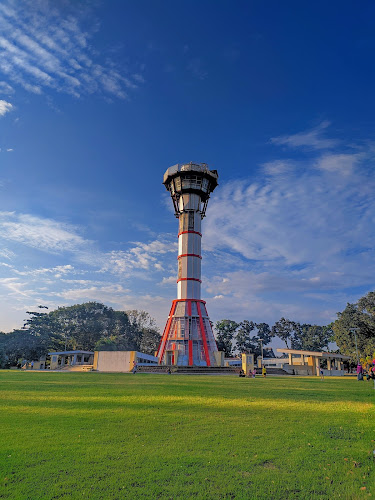
View Tower

Ibu Fatmawati Soekarno's House

Pantai panjang bengkulu
Find Accommodations Nearby
Recommended Tours & Activities
Visitor Reviews
There are no reviews yet. Be the first one to write one.
Share Your Experience
Have you visited Fort Marlborough? Help other travelers by leaving a review.