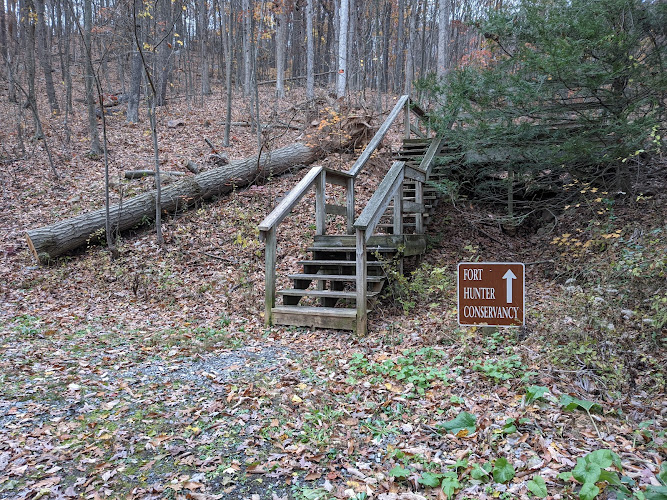
The property stretches across scenic terrain where the Fishing Creek meets the Susquehanna River, creating this really unique ecosystem that’s been preserved for travelers who appreciate both outdoor recreation and American heritage. Walking through these grounds, you can’t help but notice how the conservancy manages to balance its role as a historical site with being an accessible nature destination.
The conservancy isn’t just another park you’ll pass through without a second thought. It’s actually built around the historic Fort Hunter Mansion and its surrounding lands, which gives the whole experience this layered quality that most modern parks just don’t have. You’re not only getting trails and natural beauty but also touching pieces of frontier history that date back centuries. And honestly, that combination is what makes this place worth carving time out of your travel schedule.
I’ve found that travelers often overlook conservancies in favor of flashier state parks, but that’s actually part of Fort Hunter’s appeal. The crowds here are manageable, the atmosphere feels more intimate, and you get this sense that you’re discovering something slightly off the beaten path even though it’s quite accessible. The grounds maintain that authentic Pennsylvania countryside feel without being overly manicured or commercialized.
Key Features
Fort Hunter Conservancy delivers several distinctive features that set it apart from your typical regional park:
- Relatively uncrowded conditions compared to more heavily promoted Pennsylvania attractions, which means you can actually enjoy nature without feeling like you’re in a queue
- Open meadow areas perfect for a picnic or just taking a break between trail segments
Best Time to Visit
Timing your visit to Fort Hunter Conservancy really depends on what kind of experience you’re after. Fall is genuinely spectacular here and probably the most popular season for good reason. The foliage along the trails and around the mansion creates this incredible color palette that photographers absolutely love. September through early November brings those classic Pennsylvania autumn scenes with maples and oaks doing their thing. But here’s the catch – you won’t be completely alone during peak foliage season.
Spring offers a different kind of beauty that I personally think gets overlooked. Late April through May brings wildflowers and that fresh green growth that makes the whole conservancy feel renewed. The temperatures are comfortable for hiking, usually in the 60s and 70s, and you’ll encounter fewer visitors than during fall. Plus, the bird activity during spring migration can be really impressive if you’re into that sort of thing.
Summer works well for early morning or evening visits when the heat isn’t quite so intense. The tree canopy provides decent shade on most trails, but midday July and August can get pretty warm and humid. That said, summer offers the longest daylight hours if you’re trying to maximize your exploration time.
Winter visits have their own appeal for travelers who don’t mind the cold. The conservancy takes on this stark, peaceful quality when snow covers the grounds. Just know that trail conditions can be challenging, and the accessibility limitations become more pronounced during winter months. I’d only recommend winter visits if you’re comfortable with potentially icy paths and have appropriate footwear.
Weekdays generally offer quieter experiences regardless of season. If your travel schedule allows flexibility, visiting Tuesday through Thursday will give you more solitude on the trails and better opportunities for wildlife observation.
How to Get There
Fort Hunter Conservancy sits in central Pennsylvania, making it reasonably accessible for travelers coming from several major cities. If you’re driving from Harrisburg, you’re looking at roughly a 15-20 minute trip heading north, which makes it an easy day trip or even a morning activity before moving on to other destinations.
From Philadelphia, the drive takes approximately two hours heading west on major highways. It’s a straightforward route that doesn’t require navigating complicated backroads. Pittsburgh travelers should plan for about three hours heading east. The conservancy’s location along the Susquehanna River corridor means most routes are pretty scenic once you get into the general area.
For travelers relying on public transportation, options become more limited. You’ll likely need to get to Harrisburg first and then arrange for a rideshare service to cover the final leg. The conservancy doesn’t have direct public transit access, which is something to factor into your planning if you’re not renting a car.
Parking at the site is available but not extensive. During busy fall weekends, spaces can fill up by late morning. The parking area isn’t paved, which matters if you’re visiting after heavy rain when the lot can get muddy. And here’s an important note – the parking isn’t wheelchair accessible, which significantly limits accessibility for some travelers.
GPS navigation works reliably for finding the conservancy, though cell service can be spotty once you’re on the trails themselves. Download any maps or information you might need before arriving.
Tips for Visiting
Coming prepared makes a real difference in your Fort Hunter Conservancy experience. First thing – wear proper hiking shoes. I can’t stress this enough because some visitors show up in sandals or casual sneakers and then struggle on sections that get rocky or muddy. The trails aren’t extremely difficult, but they’re genuine nature trails, not paved walkways.
Bring water and snacks since there aren’t facilities for purchasing refreshments onsite. A small backpack with basics makes longer trail exploration much more comfortable. Bug spray during warmer months is honestly essential unless you enjoy becoming a mosquito buffet, particularly near the creek areas.
The conservancy’s lack of wheelchair accessibility is a significant consideration for travelers with mobility challenges. The entrance and parking areas don’t accommodate wheelchairs, which unfortunately excludes some potential visitors from enjoying the grounds. If you’re traveling with someone who has mobility limitations, this might not be the right destination.
For families with kids, the kid-friendly trails are genuinely appropriate for children who can handle moderate walking. But supervision is important near the creek and river areas. The trails aren’t fenced or heavily managed, so parents need to stay attentive. That said, children who enjoy nature exploration usually have a great time here discovering plants, spotting wildlife, and getting that hands-on outdoor experience.
Photography enthusiasts should bring a decent camera because smartphone cameras, while serviceable, won’t capture the landscape’s full potential. The river overlooks and forest sections offer excellent composition opportunities.
Check weather conditions before visiting because the experience changes dramatically in rain. Trails can become slippery, and the unpaved parking area gets messy. There’s no real shelter on the property if a storm rolls in unexpectedly.
Allow at least two to three hours for a meaningful visit if you plan to hike multiple trails and explore the grounds properly. Rushing through in 45 minutes means you’ll miss what makes the conservancy special. And honestly, the whole point is slowing down and experiencing the natural environment at a human pace rather than racing through for photos.
The historical elements deserve attention too, so don’t focus exclusively on the trails. Understanding the site’s significance adds depth to the physical experience of being there. Travelers who take time to appreciate both aspects get more value from their visit.
Finally, practice basic trail etiquette. Pack out whatever you bring in, stay on marked paths to protect the ecosystem, and keep noise levels reasonable so everyone can enjoy the natural soundscape. The conservancy’s preservation depends on visitors respecting the environment and following guidelines that keep the area beautiful for future travelers.
 Real Journey Travels