Description
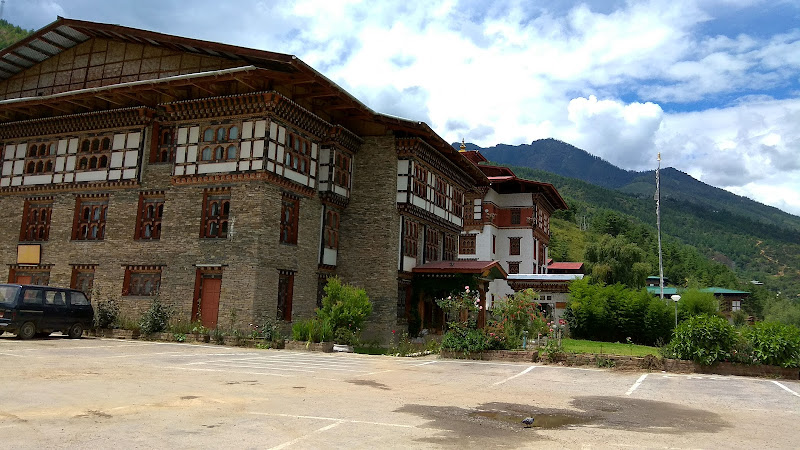
This museum doesn’t just show artifacts behind glass. It lets you feel them, understand them, and imagine the lives of the people who once used them. From handwoven baskets and rustic kitchen tools to farming instruments and yak-hair ropes, every corner tells a story of Bhutan’s deep connection to its land and traditions. There’s a certain humility in how the exhibits are presented—simple, unpolished, and utterly authentic. And that’s what makes it special.
What I personally love most is how the museum doesn’t feel like a museum at all. It’s more like a time capsule that’s still breathing. The open courtyard, the traditional hearth, and the earthy smell of buckwheat roasting during demonstrations—it all evokes a sense of nostalgia even if you’ve never lived that life. You’ll often see local guides sharing folk tales or explaining how Bhutanese families once stored grains or churned butter. It’s these little details that make the visit more than just educational—it’s emotional too.
Now, not every visitor leaves equally impressed. Some might find the displays modest, especially if they’re expecting high-tech exhibits or flashy presentations. But that’s missing the point. The Folk Heritage Museum isn’t about spectacle—it’s about substance. It’s about preserving the rhythm of Bhutanese rural life before modernization swept in. And if you approach it with curiosity and patience, you’ll walk away with a deeper appreciation for Bhutan’s soul.
Best Time to Visit
If you ask me, the best time to visit the Folk Heritage Museum is during Bhutan’s warmer months—roughly from March to May and again from September to November. During these periods, the weather in Thimphu is crisp but comfortable, and the surrounding hills are lush and green. The museum often hosts cultural demonstrations and seasonal events around these times, which make the experience even richer.
Winter visits have their own charm though. The farmhouse feels extra cozy when the cold air bites outside, and the smell of burning wood from the traditional hearth adds a comforting warmth. Summer can be a bit rainy, which sometimes limits outdoor activities, but if you don’t mind a drizzle, it’s still a peaceful time to explore.
I’d say mornings are best for visiting. The museum tends to get busier in the afternoons, especially when tour groups arrive. Early visits allow you to wander through the exhibits quietly, take in the details, and maybe even chat with the staff without feeling rushed.
How to Get There
Reaching the Folk Heritage Museum is quite straightforward. It’s located in the Kawajangsa area of Thimphu, not far from the National Library and the Institute for Zorig Chusum (the school of traditional arts). If you’re staying in central Thimphu, it’s just a short drive or even a pleasant walk uphill if you’re feeling energetic.
Taxis are easy to find throughout Thimphu, and most drivers know exactly where the museum is—just mention “Folk Heritage Museum” and they’ll get you there without hesitation. If you’re on a guided tour, it’s usually included in the standard Thimphu itinerary. For those renting a car, parking is available nearby, though spaces can fill up quickly during peak tourist seasons.
And here’s a small tip from experience: the walk to the museum itself is quite scenic. You’ll pass through quiet residential lanes lined with traditional Bhutanese houses, prayer flags fluttering in the breeze, and the occasional sound of monks chanting from nearby monasteries. It’s a lovely prelude to what awaits inside.
Tips for Visiting
Visiting the Folk Heritage Museum can be a truly rewarding experience if you know how to make the most of it. Here are a few tips that might come in handy:
- Take a guided tour. The museum’s guides are passionate storytellers. They’ll explain not just what you’re seeing, but why it matters. Without them, you might miss the deeper significance behind some of the artifacts.
- Try the local food. The small restaurant on-site serves traditional Bhutanese dishes like ema datshi (chili and cheese) and red rice. It’s simple, hearty, and delicious—definitely worth it after walking around.
- Plan at least an hour or two. While the museum isn’t huge, it’s packed with details. Give yourself enough time to really absorb it all.
- Respect the space. This isn’t a flashy tourist attraction—it’s a cultural preservation site. Be mindful when taking photos and avoid touching the exhibits unless you’re told it’s okay.
- Bring cash. Entry fees and small purchases like souvenirs or snacks are sometimes easier to pay in cash, as card facilities can be limited.
- Visit during a demonstration. If you can time your visit with one of the live cultural or cooking demos, do it. Watching locals prepare butter tea or weave textiles by hand adds an entirely new dimension to the experience.
- Dress comfortably. The farmhouse has multiple levels connected by steep wooden stairs, so comfortable shoes are a must.
- Engage with the locals. The staff and guides love sharing stories about their own villages and traditions. A friendly chat can often reveal insights you won’t find on any signboard.
And one more thing—don’t rush. This isn’t the kind of place you “check off” your list. It’s a space to slow down, breathe in the history, and feel connected to something older and simpler. I remember sitting for a few minutes in the courtyard, listening to the wind rustle through the prayer flags, and thinking about how different life must have been a century ago. It’s those quiet moments that stay with you long after you’ve left.
So, if you’re planning a trip to Thimphu, make sure to carve out some time for the Folk Heritage Museum Kawajangsa. It’s not just about seeing Bhutan’s past—it’s about feeling it. And that’s something no photograph or souvenir can replace.