Description
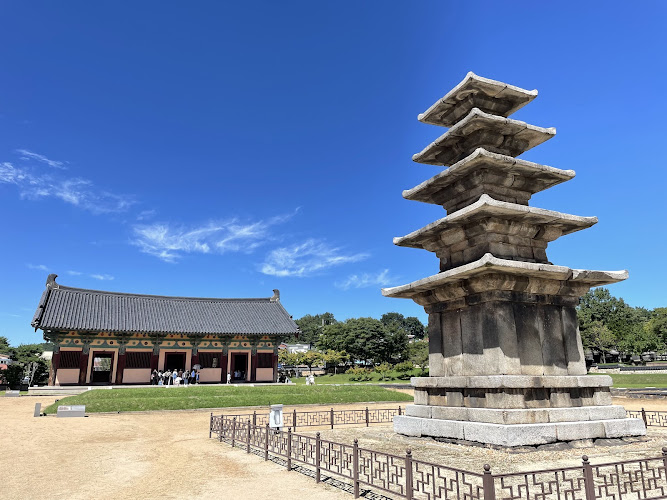
This pagoda, carved from granite during the late Baekje period (around the 6th or 7th century), is one of only two surviving Baekje pagodas still standing in Korea. That alone makes it a rare gem for travelers who love history and architecture. It’s designated as National Treasure No. 9, and when you see it up close, you get why. The craftsmanship is incredible—simple yet elegant, sturdy yet graceful. It’s like the Baekje sculptors managed to freeze a moment of serenity in stone.
When I first visited, I remember being struck by how balanced everything felt. The proportions are just right—the base solid and grounded, and each tier above it slightly smaller, leading your eyes upwards. It’s almost meditative to look at. And if you’re anything like me, you’ll probably find yourself circling it a few times, trying to take in all the subtle details: the fine carvings, the weathered edges, the way the sunlight hits the stone differently as the day moves on.
The surrounding Jeongnimsa Temple Site adds to the atmosphere. It’s quiet, peaceful, and open, with traces of old temple foundations still visible. You can almost imagine monks walking here centuries ago, chanting softly as the pagoda stood watch. There’s also a small museum nearby that helps piece together the story of the site and the Baekje Kingdom’s architectural style. It’s not a flashy place, but it’s deeply meaningful. That’s what makes it special—it doesn’t try to impress you; it just stands there, timeless.
Key Features
- Historic Significance: A rare surviving example of Baekje stone architecture and a designated National Treasure of South Korea.
- Architectural Balance: Five perfectly proportioned tiers that reflect the refined aesthetics of the Baekje Kingdom.
- Material: Crafted from granite, showing both durability and delicate artistry.
- Symbolism: Represents the Buddhist belief in ascension and enlightenment through its upward structure.
- Preserved Temple Site: Located within the remains of Jeongnimsa Temple, offering a glimpse into ancient Korean temple layouts.
- Accessibility: The site has wheelchair-accessible entrances and parking, making it welcoming for all visitors.
- Family-Friendly: Calm environment suitable for children and educational visits.
Best Time to Visit
If you ask me, spring and autumn are the best times to visit. In spring, the pagoda sits against a backdrop of cherry blossoms, giving it this almost poetic quality. The air is mild, and the soft pink petals drifting around the ancient stone make for perfect photos (and honestly, a few quiet moments of reflection). Autumn, on the other hand, paints the area in warm golds and reds, which contrast beautifully with the gray stone. It’s the kind of scene that makes you pause and just breathe for a while.
Summer can be hot and humid in Buyeo, but if you don’t mind a bit of heat, it’s still worth it—especially early in the morning or near sunset when the light is soft and the crowds thin out. Winter has its own charm too. There’s something hauntingly beautiful about the pagoda dusted with snow, standing stoically in the cold. Just bring a warm coat and maybe a thermos of tea—you’ll thank yourself later.
How to Get There
Getting to the Jeongnimsa Temple Site is straightforward. Buyeo is well-connected by bus from major cities like Daejeon and Seoul. From Seoul, you can catch an express bus to Buyeo Bus Terminal, which takes about two and a half hours. Once you’re there, the temple site is just a short taxi ride or even a pleasant walk away if you’re staying in town.
For those who prefer to drive, the roads leading to Buyeo are scenic and well-maintained. There’s parking available near the site, and it’s accessible for wheelchairs, which is great if you’re traveling with family or anyone with mobility needs. I drove down once on a whim during a road trip through Chungcheongnam-do, and honestly, it was one of those spontaneous detours that ended up being the highlight of the day. The countryside views along the way were just as memorable as the pagoda itself.
If you’re using public transportation, local buses within Buyeo-eup also stop near the temple site. Signs are clear in both Korean and English, so you won’t have trouble finding your way. And if you’re a bit of a history nerd (like me), you might want to pair your visit with other nearby Baekje Heritage Sites, such as the Gongsanseong Fortress or the Royal Tombs in Songsan-ri. They’re all part of the Baekje Historic Areas, which are UNESCO World Heritage Sites.
Tips for Visiting
Here’s where a few insider tips might come in handy. First, give yourself time. The pagoda might not seem large, but the atmosphere deserves to be savored. Don’t rush through it. Sit on a bench nearby, listen to the wind, and imagine what life here must have been like over a millennium ago. It’s one of those places that rewards patience.
Bring a camera, but also take a few moments without one. I know, it’s tempting to snap a hundred photos (I did too), but there’s something grounding about just standing there, phone tucked away, soaking in the details. The stone surface has this texture that tells a story—weathered yet enduring. And if you’re visiting during golden hour, the lighting can make the pagoda glow softly. It’s magical.
If you’re traveling with kids, the open grounds are great for them to explore safely. The museum nearby has interactive exhibits that make history more tangible, even for younger visitors. For accessibility, the paved paths and ramps make it easy for wheelchairs or strollers to move around comfortably.
A small but important note: respect the site’s tranquility. It’s not a place for loud chatter or rushing groups. Local visitors often come here for quiet reflection, so keeping your voice low helps preserve that peaceful atmosphere.
And here’s a personal suggestion—visit just before sunset. The changing light gives the stone a warm hue, and the shadows stretch long across the temple site. It’s a photographer’s dream but also just a beautiful moment to end your day. I remember sitting there as the sky turned orange, thinking about how many sunsets this pagoda must have seen. It’s humbling, really.
Lastly, if you’re planning to explore more of Buyeo, wear comfortable shoes. The town is small enough to walk around, but there’s a lot to see—museums, ancient fortress walls, and even a riverside market with local snacks worth trying. And yes, the pagoda makes a perfect starting point for your Buyeo adventure.
In the end, the Five-Storey Stone Pagoda at Jeongnimsa Temple Site isn’t just an old monument—it’s a quiet reminder of Korea’s artistic and spiritual heritage. Whether you’re a history enthusiast, a photographer, or just someone looking for a peaceful spot to slow down, this place has a way of staying with you long after you’ve left. It’s not loud or grand, but it’s deeply moving, and that’s what makes it unforgettable.