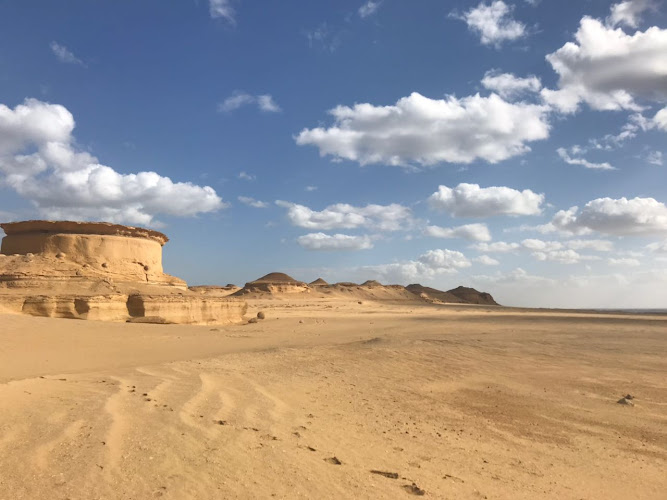
About 130 kilometers southwest of Cairo, this region has an easygoing rhythm that contrasts beautifully with the capital’s constant buzz. It’s one of those places where you can wander through ancient ruins in the morning, sip tea beside a lake by afternoon, and end your day under a sky so clear it almost humbles you. The capital city, Faiyum, is both historic and modern, a mix of traditional Egyptian character and the gentle pulse of small-town life. With a population of nearly four million, it’s large enough to feel dynamic but small enough that locals still greet you with genuine warmth.
What makes Faiyum special isn’t just its geography—it’s the way it captures the essence of Egyptian history and nature in one place. The governorate sits on the edge of the Western Desert, yet it’s lush with farmland, thanks to the ancient Bahr Yussef canal that has been nourishing the region since the time of the Pharaohs. I remember walking through the fields one late afternoon, watching farmers harvest onions and wheat under the orange glow of sunset—it was one of those simple, grounding moments that remind you why slow travel is worth it.
The area also holds some of Egypt’s oldest archaeological treasures. The Fayum Depression, one of the world’s oldest natural oases, hides remnants of ancient civilizations, fossilized whales, and even prehistoric footprints. Wadi El-Hitan (the Valley of the Whales) is a UNESCO World Heritage Site where you can literally see 40-million-year-old whale skeletons scattered across the desert floor. It’s surreal—like walking through a time capsule that nature forgot to close.
Key Features
Faiyum isn’t overly polished or touristy—and honestly, that’s part of its charm. You’ll find beauty in the imperfections: the faded paint on old mud-brick houses, the laughter of children playing near irrigation canals, the quiet dignity of farmers who’ve worked the same soil for generations. It’s Egypt at its most authentic.
Best Time to Visit
If you ask ten travelers when the best time to visit Faiyum is, you might get ten slightly different answers—but here’s my take. The sweet spot is between October and April. The weather is pleasantly mild, hovering between 20°C and 28°C (68°F–82°F), which makes exploring the desert and archaeological sites much easier. During summer, though, temperatures can soar past 40°C (104°F), and unless you’re a fan of intense heat, it’s best avoided.
Winter, on the other hand, brings crisp air and a golden light that makes everything look cinematic. I once visited in January, and the mornings were cool enough for a light jacket, but by noon, I was sipping mint tea lakeside in short sleeves. There’s something magical about that balance.
If you’re into birdwatching, plan your trip around November to February when migratory birds flock to Lake Qarun. And if photography is your thing, sunrise and sunset in Faiyum are pure gold—literally. The way the light hits the desert dunes and palm groves is breathtaking.
How to Get There
Reaching Faiyum from Cairo is surprisingly straightforward. It’s roughly a two-hour drive southwest of the capital—around 100 kilometers if you take the Cairo–Assiut Desert Road. You can rent a car (which I recommend if you like flexibility) or hop on a public bus from Cairo’s main terminal. The road is generally smooth, and the journey itself is half the fun. You’ll pass through stretches of desert that suddenly give way to green fields—it’s like watching Egypt’s contrasting landscapes unfold in real-time.
For those who prefer guided tours, many local travel companies offer day trips or weekend packages that include transport, meals, and visits to key attractions like Wadi El-Rayan and Tunis Village. If you’re adventurous, you could even take a microbus from Giza—it’s cheaper and gives you a real taste of local life (though it’s not for the faint-hearted when it comes to comfort).
Once in Faiyum, getting around is easy enough. Taxis, tuk-tuks, and minibuses connect most towns and villages. But honestly, walking or cycling through the smaller areas—especially near Tunis Village—lets you soak in the atmosphere at your own pace.
Tips for Visiting
Faiyum is one of those places that rewards curiosity and patience. It’s not a “checklist” destination—it’s more about slowing down and letting the place reveal itself to you. Here are a few tips that might make your visit smoother (and a bit more special):
- Dress comfortably and modestly: Lightweight cotton clothes are best. The sun can be fierce, even in winter, so a hat and sunscreen are must-haves.
- Bring cash: ATMs can be scarce outside the main city, and many local shops don’t accept cards.
- Hire a local guide: Especially for places like Wadi El-Hitan or Medinet Madi. They add context and stories that you won’t find in guidebooks.
- Stay overnight: Many travelers rush through Faiyum on a day trip, but spending a night or two lets you truly experience its calm rhythm. Try one of the eco-lodges in Tunis Village—they’re cozy, sustainable, and full of character.
- Respect local customs: Faiyum is a conservative region. Dress respectfully and always ask before photographing people.
- Don’t skip the local food: Try feteer meshaltet (a flaky Egyptian pastry) with honey or cheese. It’s simple but unforgettable.
- Be prepared for limited connectivity: Internet can be patchy in remote areas, but honestly, that’s part of the charm—disconnect to reconnect.
One more thing—if you love photography, bring extra memory cards. Between the desert landscapes, ancient ruins, and the soft hues of sunset over Lake Qarun, you’ll find yourself snapping away constantly. I still remember one evening when the sky turned a deep pink, and the reflection on the water made everything look painted—it was one of those moments you can’t quite capture, no matter how good your camera is.
Ultimately, Faiyum Governorate is not just a destination—it’s an experience. It’s where Egypt’s ancient soul meets the simplicity of rural life. Whether you’re an adventurer, a history buff, or someone just looking to breathe a little slower, this place has a quiet way of getting under your skin. And when you finally leave, you’ll probably find yourself planning your next visit before you even make it back to Cairo.
 Real Journey Travels