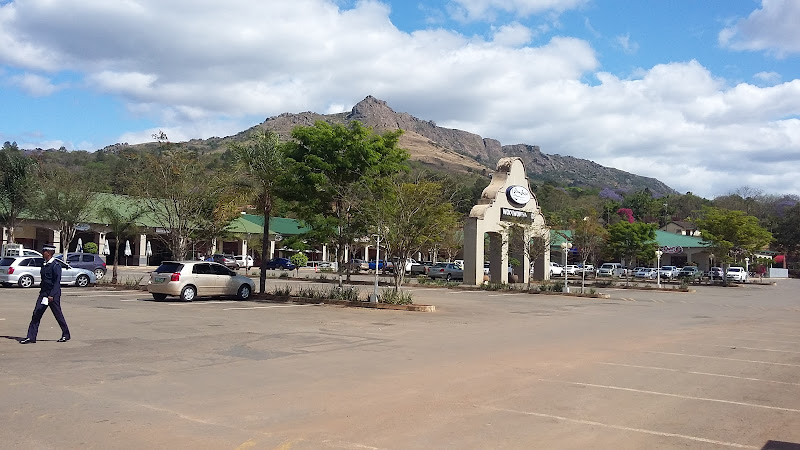
Ezulwini, meaning the place of heaven in siSwati, is a long, green valley in central Eswatini that unfolds between Mbabane and Manzini. It is home to Lobamba, the country’s royal and legislative heart, and it blends ceremony, nature, and modern convenience in a way that feels distinctly Swazi. Travelers come for wildlife at Mlilwane Wildlife Sanctuary, the drumbeat of Mantenga Cultural Village, and the easy-going rhythm of a place where hiking trails meet coffee stops, craft markets, and laid-back hotel gardens. It is also one of the most accessible destinations in Southern Africa for first-time visitors who want culture with their scenery and a light dose of nightlife without the chaos.
What is Ezulwini known for? Locals will tell you it’s where Eswatini’s story comes to life. The valley’s royal heritage is woven through Lobamba, where national ceremonies like the Umhlanga Reed Dance and the Incwala take place. Around the corner, the National Museum and King Sobhuza II Memorial Park offer an engaging overview of the country’s history and the evolution from Swaziland to Eswatini. Those who prefer the outdoors tend to gravitate toward Mantenga Falls and into Mlilwane, with its zebras grazing near the water and the Nyonyane peak (often called Execution Rock) watching over the plains. And then, somewhere between a craft market browse and a scenic drive along the MR3 highway, there’s a plate of grilled chicken, a cold Sibebe beer, and a sunset that does all the talking.
Questions about identity often come up. What race is Eswatini? The country is majority ethnic Swazi (part of the broader Nguni family), and that Swazi culture—dance, dress, ceremony, language—is very present in Ezulwini. At the same time, the valley is a crossroads. You’ll meet people from across Africa, along with long-time residents of European and Asian heritage, all contributing to the small but busy tourism, restaurant, and craft scene. It’s a respectful place at its core, so simple courtesies go a long way; a sawubona greeting and a smile move mountains here.
Nightlife in Ezulwini is relaxed and sociable. It isn’t the kind of destination with thumping super clubs on every corner, but hotel bars, a casino, and a handful of lounges do make it easy to end the day with live music or a DJ on weekends. A lot of visitors base themselves at a hotel near Gables Shopping Centre and wander out for dinner, then drift back for a nightcap. On big event weekends—think House on Fire shows nearby in the Malkerns area or national sports at Somhlolo National Stadium—the energy rises and tables fill quickly. The crowd mixes locals, business travelers, adventure guides, and road-trippers from South Africa, which keeps conversations interesting.
Despite the heavenly nickname, Ezulwini is not without quirks. Traffic can bunch up along the MR3 at peak hours, and service runs on African time now and then—perfectly normal in much of Southern Africa. Many hotels and guest houses provide free WiFi and private parking, but signal strength dips in some pockets of the valley and speeds vary. That said, overall safety is solid for a regional hub, prices are fair compared to major cities, and the scenery is the kind that calms the mind even after a long travel day.
For those who like to mix activity with culture, Ezulwini makes a great base. Morning hikes up to Nyonyane reward with wide valley views; mid-day at Mantenga Cultural Village gives a real feel for Swazi traditions; afternoons bring shopping at curio markets or coffees at a small café; and the evening might end at a restaurant terrace or by a guest house braai under a sky thick with stars. Visitors often comment that the best part of the day is the part in between—chatting with guides, listening to stories, and realizing the valley’s soul is in its people as much as its hills.
Accommodation ranges from classic hotels with pools and gardens to exclusive self-catering apartments, handy for families and longer stays. Travelers sifting through hotel reviews will notice recurring positives: friendly staff, secure parking, spacious rooms, and proximity to the main attractions. A few properties still lean rustic (which many love), while others have had design refreshes that bring in a modern edge—good news if you like a sleek room after dusty trails. Either way, availability can tighten during school holidays and festival weekends, so checking dates ahead helps keep the price sweet and the options wide.
Geographically, the setting is what makes Ezulwini such an attractive stop in the middleveld. The Mdzimba hills, the soft curve of the valley floor, and wetlands that glimmer after summer rains give the region a scenic backbone. Wildlife is part of daily life here—baboons on the roadside, antelope in the sanctuary, and birdlife almost everywhere you look. Hikers sample short trails around Mantenga or go bigger with summit walks; cyclists and trail runners will also find paths that balance challenge with views. If a guide is preferred, local tour operators can arrange hiking, culture, and even caving excursions, with Swazi Trails well known for adventure activities across the region.
Food-wise, expect an easy blend: Swazi staples, South African influences, and international menus for comfort. Simple grills, stews, fresh salads, and hot-from-the-fire bread show up often. Coffee culture is present (and improving each season). Prices are generally modest by global standards; tipping 10% is appreciated. Those seeking a bigger night can wander into a casino for a spin, or time a weekend around a live music event at a nearby venue—booking ahead is smart for prime seats.
All told, Ezulwini offers a clean mix of royal heritage, accessible wildlife, walkable attractions, and calm evenings. Travelers who like a little bit of everything—culture, nature, shops, and a dash of nightlife—tend to come away very happy, already plotting a return to climb Execution Rock again or to bring friends along next time.
Key Features
- Mlilwane Wildlife Sanctuary with easy wildlife viewing, guided hikes, mountain bike routes, and the Nyonyane (Execution Rock) ascent
- Mantenga Nature Reserve, Mantenga Falls, and the Mantenga Cultural Village with daily dance demonstrations and traditional homestead tours
- Lobamba’s cultural core: National Museum and King Sobhuza II Memorial Park, plus seasonal royal ceremonies that define Swazi identity
- Gables Shopping Centre for essentials, ATMs, supermarket runs, and casual dining between activities
- Hotels, guest houses, and exclusive self-catering apartments offering free WiFi, private parking, gardens, pools, and family-friendly rooms
- Somhlolo National Stadium for sports and big national events
- Weekend nightlife around hotel bars and a casino; occasional live music and DJ sets, especially on event weekends
- Craft markets with handwoven baskets, wood carvings, textiles, and beadwork; chances to meet makers and learn about Swazi craft traditions
- Proximity to Mbabane and Manzini for onward travel, logistics, and day trips to nearby attractions including Sibebe Rock and House on Fire
- Good road access via the MR3 highway and frequent minibus taxis for budget travelers
Best Time to Visit
Ezulwini works year-round, but two windows really shine. May to September brings the dry season: cooler mornings, warm afternoons, crisp views, and firmer trails for hiking and cycling. Wildlife is easier to spot in this period, and the valley’s greenery shifts to gold in a way that photographs beautifully. Expect daytime temperatures around 20–24°C in winter, with chilly mornings in the low teens. Pack a light jacket for dawn and dusk.
October to April is the rainy season, with afternoon thunderstorms, lush hillsides, and excellent birding. Humidity is higher, but rains are usually short-lived rather than all-day downpours. Temperatures can reach the upper 20s, and waterfalls are fuller—Mantenga Falls often looks its best after good rains. If you can handle summer heat and love greenery, this season delivers. The valley’s middleveld climate typically receives around 800–1,000 mm of annual rainfall, so expect quick weather swings.
If your goal is cultural experiences, time the trip around the Umhlanga Reed Dance (often late August to early September) or the Incwala ceremony (around December/January). These periods can affect availability and price, as demand for rooms increases. Booking ahead by several weeks is smart. Weekends tied to regional events (concerts, sports, school holidays) also see an uptick in visitors; midweek stays can bring a quieter feel and, sometimes, a better price on select accommodation.
How to Get There
By air, most international visitors arrive via King Mswati III International Airport. Ezulwini sits approximately 70–80 km from the terminal, depending on your exact hotel location, with a typical drive time of 60–90 minutes on the MR3 highway. It’s a straightforward route with clear signage. Taxis and private transfers can be arranged in advance; car rental options are usually available, which is handy for exploring Mlilwane, Mantenga, and nearby attractions at your own pace.
From Mbabane, the capital, Ezulwini is about 10–15 km along the MR3. From Manzini, it’s around 25–30 km. If you’re crossing from South Africa, the Ngwenya/Oshoek border is a common entry point; once across, the valley is an easy drive on good roads. Driving is on the left, and speed limits are enforced—speed cameras appear in and around towns, especially on approaches to major junctions. Night driving is doable but less recommended due to pedestrians, livestock, and the occasional unlit vehicle.
Public transport options exist for budget travelers. Minibus taxis (kombis) and shared taxis run between Mbabane, Ezulwini, and Manzini throughout the day. They’re inexpensive and frequent, though you trade comfort for price. If you choose public transport, consider using a combination of kombis and short, licensed taxi hops to reach trailheads or hotels off the main road. Several tour operators also run day trips that bundle transport with guides, which can be cost-effective if you’re planning multiple stops in one day.
Tips for Visiting
- Plan for popular weekends: During the Reed Dance, national ceremonies, or big concerts near the valley, rooms can book out fast. Check availability early and compare price options; advance planning usually gets the best deal.
- Get outdoors early: For hiking Execution Rock or exploring Mlilwane, start in the morning to beat heat and afternoon storms in summer. Trails are well used, but a local guide adds safety and storytelling.
- Dress and manners: At cultural sites and during ceremonies, modest clothing and a respectful approach are appreciated. Ask before taking photos of people, and follow guides’ lead at the cultural village.
- Connectivity and payments: Many hotels offer free WiFi, though speeds vary. Carry a local SIM for reliable data. Cards are widely accepted in shops and restaurants, but keeping some cash helps at craft markets and for tips.
- Health and safety: The middleveld has a low malaria risk compared to the lowveld, but check current advice. Use sun protection, drink plenty of water, and bring a light layer for cooler evenings. Tap water quality varies; bottled water is easy to find.
- Driving notes: Left-hand driving, courteous roads, and occasional livestock near the shoulder—take it slow through villages. Secure parking is common at hotels and guest houses. Don’t leave valuables visible in vehicles.
- Packing list: Comfortable walking shoes, a hat, a lightweight rain jacket in summer, and a travel adapter compatible with South African-style plugs (Type M). If you plan a braai at your accommodation, ask about barbecue facilities in advance.
- Food and drink: Try local Swazi dishes, seasonal marula treats, and the region’s staple brews. Restaurants are casual; service can be leisurely. Embrace the pace—you’re on valley time now.
- Nightlife expectations: Weeknights are quieter, while Fridays and Saturdays bring more energy at hotel bars and the casino. If you’re chasing live music, check schedules before you arrive to avoid missing headline shows at nearby venues.
- Photography and drones: Scenic shots are welcome across the valley, but flying drones near royal sites or during ceremonies is often restricted. When in doubt, ask a guide or property manager for the latest rules.
- Support local: The craft markets are a highlight—buying directly from artisans keeps centuries-old skills flourishing. Many workshops offer short demos; don’t be shy about asking questions.
- Family-friendly ideas: Choose accommodation with a pool and garden, then plan a half-day in Mlilwane for easy wildlife viewing without long drives. Mantenga’s dance performance is a hit with older kids.
- Day trips: Consider a detour to Sibebe Rock near Mbabane for one of the world’s largest exposed granite domes, or a cultural-food tour in Manzini’s markets. Both are simple add-ons from an Ezulwini base.
In practical terms, Ezulwini Lobamba Eswatini is a superb base for a short getaway or a full week of exploring. It’s central, scenic, and cultural in equal measure, with enough restaurants, shops, and amenities to make your stay easy. Travelers looking for a well-balanced itinerary—wildlife in the morning, heritage in the afternoon, a relaxed dinner and maybe a spin at the casino by night—will find the valley does exactly that. And if the idea of waking up to mountain silhouettes and finishing the day with a gold-tinged sunset sounds right, well, that’s Ezulwini working its quiet magic once again.
 Real Journey Travels