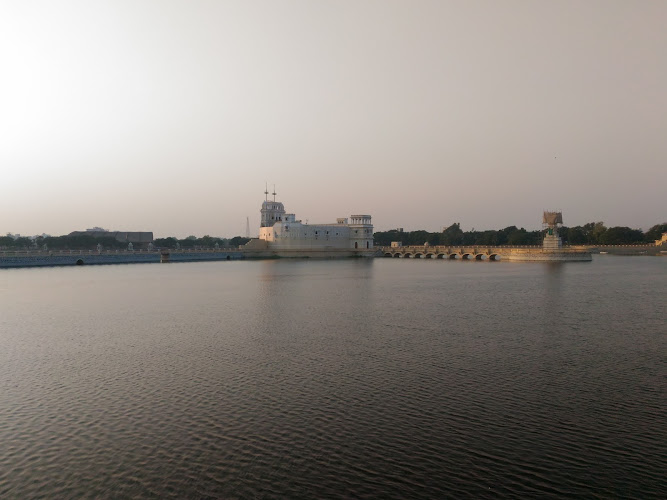
Description
The Entrance Archaeological Museum in Jamnagar offers travelers a fascinating glimpse into Gujarat’s rich historical tapestry through its carefully curated collection of artifacts and relics. This museum serves as a gateway to understanding the region’s ancient civilizations and cultural evolution over millennia. Located in one of Gujarat’s most historically significant cities, the museum houses an impressive array of archaeological finds that span different eras of Indian history.
Walking through this museum feels like stepping into a time machine. You’ll find yourself face-to-face with pottery fragments, ancient coins, sculptures, and various artifacts that tell stories of the people who inhabited this region centuries ago. The museum’s collection particularly focuses on findings from excavations conducted in and around the Saurashtra region, making it an essential stop for anyone interested in understanding the archaeological significance of western India.
What strikes most visitors is how the museum manages to present complex historical narratives in an accessible way. Even if you’re not a history buff, the exhibits are arranged thoughtfully enough that you can follow the chronological progression of human settlement in this area. And honestly, there’s something quite humbling about standing next to objects that were crafted by hands that lived thousands of years ago.
The museum also serves an important educational function for the local community. It’s particularly well-suited for families traveling with children who have curious minds about history and archaeology. The exhibits provide tangible connections to abstract historical concepts that kids often struggle with in textbooks.
Key Features
The Entrance Archaeological Museum Jamnagar presents several noteworthy features that make it worth adding to your travel itinerary:
- Extensive Pottery Collection: The museum showcases pottery pieces from various historical periods, demonstrating the evolution of craftsmanship and daily life practices in ancient Gujarat.
- Ancient Coin Display: A remarkable collection of coins from different dynasties provides insight into the economic systems and trade routes that once flourished in this region.
- Sculptural Artifacts: Stone and metal sculptures represent the artistic sensibilities and religious practices of bygone civilizations.
- Excavation Findings: Many pieces come directly from archaeological digs in the Saurashtra peninsula, offering authentic glimpses into the region’s past.
- Educational Labels: Most exhibits feature informative descriptions that help visitors understand the context and significance of each artifact.
- Family-Friendly Environment: The museum is designed to accommodate young visitors, making it an excellent educational destination for families.
- Compact Layout: The museum’s size makes it possible to explore the entire collection without feeling overwhelmed or exhausted.
- Local Historical Focus: Unlike larger museums that cover broad topics, this institution specifically highlights the archaeological heritage of Jamnagar and surrounding areas.
Best Time to Visit
Timing your visit to the Entrance Archaeological Museum Jamnagar can significantly impact your experience. The museum operates year-round, but certain periods offer more comfortable visiting conditions than others.
The ideal time to explore this museum is during the winter months from November through February. During these months, Jamnagar experiences pleasant weather with temperatures ranging between 15 to 30 degrees Celsius. You won’t find yourself battling the intense heat that characterizes much of Gujarat’s year, and you’ll actually enjoy walking around the museum premises without constantly reaching for your water bottle.
But here’s the thing – museums are indoor spaces, so weather isn’t as critical a factor as it would be for outdoor attractions. Still, you’ll likely be exploring other parts of Jamnagar during your visit, and trust me, you don’t want to be wandering around Gujarat in May or June when temperatures soar above 40 degrees Celsius.
The monsoon season from July to September brings relief from the heat but can make travel within the city somewhat challenging due to occasional heavy rains. That said, if you don’t mind the possibility of getting caught in a downpour, this season has its own charm with lush greenery sprouting throughout the region.
Early mornings right after opening time typically see fewer crowds, giving you more space to examine artifacts without feeling rushed or cramped. Weekdays generally offer a quieter experience compared to weekends when local families often visit. I’d recommend planning your museum visit for a weekday morning if your schedule allows it.
The museum can be comfortably explored in about one to two hours, making it perfect for a morning or afternoon activity before moving on to other attractions in Jamnagar.
How to Get There
Reaching the Entrance Archaeological Museum Jamnagar is relatively straightforward, though you’ll need to plan your route depending on where you’re coming from.
If you’re arriving from outside Gujarat, your first step will be getting to Jamnagar city itself. The city has its own airport – Govardhanpur Airport – which connects to major Indian cities like Mumbai and Ahmedabad through regular flights. From the airport, the museum is accessible via taxi or auto-rickshaw, and the journey shouldn’t take more than 30 minutes depending on traffic conditions.
For travelers preferring train journeys, Jamnagar Railway Station is well-connected to cities across India. The railway station serves as a major junction on the Western Railway network. Once you arrive at the station, local transportation options including auto-rickshaws, taxis, and app-based cab services can take you to the museum. The distance from the railway station to most parts of the city is manageable, and drivers are generally familiar with major landmarks.
Road trips to Jamnagar are also popular, especially for those already traveling through Gujarat. The city is connected by well-maintained state highways to major cities like Ahmedabad (approximately 300 kilometers), Rajkot (around 90 kilometers), and Dwarka (roughly 130 kilometers). Several bus services, both government-run and private, operate regular routes to Jamnagar.
Within the city itself, you have multiple transportation options. Auto-rickshaws are the most common and economical choice for short distances. Make sure to negotiate the fare beforehand or insist on using the meter. Local taxis and ride-sharing apps like Ola and Uber operate in Jamnagar and can be convenient for travelers unfamiliar with the local language.
If you’re staying in central Jamnagar, some areas might be within walking distance depending on your accommodation location, though Gujarat’s climate often makes vehicular transport more comfortable.
Tips for Visiting
Making the most of your visit to the Entrance Archaeological Museum Jamnagar requires some practical preparation and awareness.
First off, check the museum’s operating hours before you head out. Museum timings in India can vary, and some institutions close on specific weekdays for maintenance. Calling ahead or checking current information can save you from an unnecessary trip. Many smaller museums in India also close for lunch breaks, so plan accordingly.
Dress comfortably but respectfully. While museums generally have relaxed dress codes compared to religious sites, comfortable walking shoes are essential since you’ll be on your feet examining various exhibits. Carry a light jacket if you’re visiting during winter months, as some indoor spaces can feel cool.
Photography policies vary across Indian museums. Some allow photography without flash, while others prohibit it entirely to preserve delicate artifacts. Look for signage indicating the policy or ask staff members before pulling out your camera. Getting into trouble for innocent photography isn’t how you want to spend your vacation.
Bring a refillable water bottle, especially if you’re visiting during warmer months. Staying hydrated is crucial in Gujarat’s climate. However, most museums require you to finish drinks before entering exhibit areas to protect the artifacts.
If you’re traveling with children, prepare them beforehand about museum etiquette. The exhibits are educational and kid-friendly, but young visitors should understand the importance of not touching artifacts and maintaining reasonable noise levels. Making it fun rather than restrictive helps – try turning the visit into a treasure hunt where kids look for specific types of artifacts.
Consider hiring a guide if available. Local guides can provide context and stories that written labels simply can’t convey. They often know fascinating details about particular artifacts or can explain the broader historical narratives connecting different pieces. Even if it costs extra, the enhanced understanding usually makes it worthwhile.
Don’t rush through the exhibits. One of the mistakes travelers make is treating museums like checklists to be completed quickly. Take your time, read the information provided, and let yourself imagine the lives of people who created and used these objects. That’s where the real magic of archaeological museums lies.
Keep some cash handy for entry fees and any additional services. While digital payments are becoming more common in India, smaller institutions sometimes only accept cash. Having smaller denominations makes transactions smoother.
Finally, combine your museum visit with other attractions in Jamnagar. The city offers several interesting sites including Lakhota Lake, Bala Hanuman Temple, and various beautiful palaces. Planning an efficient route helps you maximize your time and creates a more comprehensive understanding of Jamnagar’s cultural landscape.