Description
Enoshima Daishi sits quietly on the sacred island of Enoshima, and honestly, it’s one of those places that doesn’t scream for attention but rewards those who seek it out. This Buddhist temple has been watching over pilgrims and travelers for generations, tucked away from the main tourist routes that snake through the island’s more commercialized areas. The temple is dedicated to Fudo Myoo, one of the Five Wisdom Kings in Japanese Buddhism, and you can feel that spiritual weight the moment you approach its grounds.
I remember climbing those stone steps for the first time, my calves burning slightly from the island’s constant incline, when I stumbled upon this temple almost by accident. And that’s kind of the beauty of it—Enoshima Daishi isn’t necessarily the headliner attraction that travel brochures push, but it offers something more contemplative for visitors who want to experience Japan’s religious heritage without the crowds that pack into more famous temples.
The temple grounds exude a serene atmosphere that stands in stark contrast to the bustling seafood restaurants and souvenir shops elsewhere on the island. Weathered stone lanterns line the pathways, and the scent of incense hangs in the air, mixing with the salt breeze coming off Sagami Bay. The architecture follows traditional Buddhist temple design, with wooden structures that have aged beautifully over the years, their colors muted but dignified. Prayer flags flutter in the wind, and the sound of distant waves creates a natural soundtrack to your visit.
What makes Enoshima Daishi particularly special is its connection to the yamabushi tradition—mountain ascetics who practiced rigorous spiritual training throughout Japan’s mountainous regions. The temple serves as a place of worship for those following these ancient practices, though nowadays it welcomes all visitors regardless of their religious background. There’s something humbling about standing in a space where people have been seeking enlightenment and inner peace for so many years.
Key Features
The distinctive characteristics that make Enoshima Daishi worth your time include several noteworthy elements that blend spiritual significance with cultural heritage:
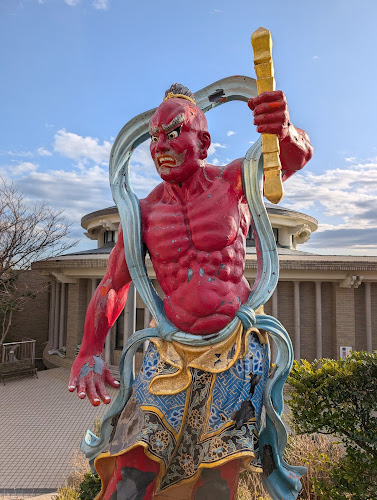
• The main hall houses impressive statues of Fudo Myoo, depicted with the fierce expression typical of this protective deity, surrounded by flames that symbolize the burning away of worldly desires and obstacles
• Stone monuments and smaller shrines dot the temple grounds, each with their own history and purpose, offering opportunities for quiet reflection and photography
• Ancient trees provide natural shade and add to the contemplative atmosphere, some of them having witnessed centuries of worship and seasonal changes
• Traditional architectural details showcase classic Buddhist temple construction methods, from the curved rooflines to the wooden lattice work
• Restroom facilities are available on site, which honestly is a blessing considering how spread out Enoshima’s attractions are
• The elevated position provides occasional glimpses of the surrounding landscape between buildings, reminding visitors of the temple’s island setting
• Prayer plaques and incense burners allow visitors to participate in traditional worship practices if they choose
• Seasonal decorations and religious observances mark important dates in the Buddhist calendar, transforming the space throughout the year
• The relative quietness compared to other island attractions makes it ideal for meditation or simple peaceful contemplation
• Stone pathways and steps connect different levels of the temple complex, creating a sense of journey and discovery
Best Time to Visit
Timing your visit to Enoshima Daishi can significantly impact your experience, and I’ve learned through both successful and less-than-ideal visits that certain periods work better than others. The temple is accessible year-round, but each season paints the grounds in different colors and moods.
Early morning visits, particularly on weekdays, offer the most peaceful experience. I once arrived around 8 AM on a Tuesday in November and practically had the entire temple to myself for a good thirty minutes. The morning light filtering through the trees created this almost ethereal atmosphere, and the only sounds were birds and the distant ocean. If you’re staying nearby on the island or in the Kamakura area, making Enoshima Daishi your first stop before the day-trippers arrive is genuinely worth setting your alarm for.
Spring brings cherry blossoms to various parts of Enoshima, though the temple grounds themselves aren’t the island’s primary sakura viewing spot. Still, late March through early April sees pleasant temperatures and that renewed energy that comes with spring in Japan. Just be prepared for larger crowds on the island overall during this peak season.
Summer can be brutally humid, and climbing around Enoshima in July or August will leave you drenched in sweat. But if you don’t mind the heat, summer also means vibrant greenery and the sound of cicadas creating that quintessential Japanese summer soundtrack. Just bring water and dress accordingly.
Autumn is arguably the best season for visiting Enoshima Daishi. September through November offers comfortable temperatures, and the autumn foliage adds warm colors to the landscape. The crowds thin out after the summer rush, and the crisp air makes exploring the temple grounds genuinely pleasant.
Winter visits have their own charm—fewer tourists, clear skies that often provide stunning views of Mount Fuji from other parts of the island, and that sharp, clean feeling in the air. The temple takes on a more austere character in winter, which somehow feels appropriate for its spiritual purpose.
Avoiding weekends and Japanese national holidays is wise if you prefer a quieter experience. Golden Week in late April/early May and the New Year period bring massive crowds to Enoshima, and while the temple itself might not be packed, getting to it through the island’s narrow pathways becomes more challenging.
How to Get There
Reaching Enoshima Daishi requires first getting to Enoshima island itself, then navigating the island’s pathways to find the temple. The journey is part of the experience, honestly, and the island’s compact size means nothing is terribly far away.
From Tokyo, the most straightforward route involves taking the Odakyu Line from Shinjuku Station to Katase-Enoshima Station, which takes roughly one hour. The Odakyu Romance Car offers reserved seating for a more comfortable ride, though the regular express trains work perfectly fine and cost less. Once you arrive at Katase-Enoshima Station, it’s about a fifteen-minute walk to the bridge connecting the mainland to Enoshima island.
Alternatively, the Enoden Line is a charming local railway that runs along the coast from Kamakura to Fujisawa, stopping at Enoshima Station. This route takes longer but offers scenic coastal views and a more leisurely pace. Many travelers combine a visit to Kamakura’s temples with Enoshima, using the Enoden to connect the two areas.
The JR Shonan-Shinjuku Line also reaches the area, stopping at Fujisawa Station, from where you can transfer to the Enoden or walk (though walking from Fujisawa Station to Enoshima takes about 25-30 minutes).
Once you cross the bridge onto Enoshima island, you’ll pass through a bronze torii gate and enter the main shopping street called Benzaiten Nakamise Street. This covered arcade climbs gradually upward, lined with restaurants and shops. Enoshima Daishi isn’t located on this main thoroughfare, which is partially why it sees fewer visitors.
To reach the temple, you’ll need to navigate the island’s network of paths. The island isn’t huge, but it does have multiple levels and can be slightly confusing on your first visit. Signage exists, though it’s not always in English. Generally, you’ll want to head toward the middle sections of the island rather than following the main route to the famous Sea Candle observation tower or the caves at the far end.
The pathways involve stairs—this is unavoidable on Enoshima. The entire island is basically a hill rising from the sea, so comfortable walking shoes are essential. There are escalators that cover some portions of the island’s elevation, available for a small fee, but they don’t go everywhere and you’ll still encounter plenty of steps.
Tips for Visiting
Making the most of your visit to Enoshima Daishi involves some practical considerations and cultural awareness that’ll enhance your experience significantly. I’ve made enough mistakes at Japanese temples to hopefully save you from repeating them.
First off, dress respectfully. While Enoshima overall has a casual beach-town atmosphere, remember that Enoshima Daishi is an active place of worship. Shoulders and knees should ideally be covered, though enforcement isn’t strict. Just use common sense and show basic respect for the religious nature of the site.
Photography is generally permitted in the temple grounds, but be mindful of worshippers. If someone is praying or participating in religious practices, give them space and privacy. I always make it a point to observe what other visitors are doing before pulling out my camera—when in doubt, discretion is the better choice.
The temple doesn’t charge an admission fee, which is wonderful, but consider making a small donation if you light incense or offer prayers. These contributions help maintain the temple and support its religious activities. Coin offerings are standard practice at Japanese temples and shrines.
Bring cash. While much of modern Japan has embraced electronic payment, temple donations and many small shops on Enoshima still operate primarily with cash. Having a selection of coins is particularly useful for offerings and purchasing incense.
Wear comfortable walking shoes—I can’t stress this enough. The island’s surfaces range from smooth pavement to uneven stone steps, and you’ll be doing more walking and climbing than you probably anticipate. I once watched someone navigate Enoshima in flip-flops and it looked genuinely painful.
Combine your visit to Enoshima Daishi with other island attractions to make the trip worthwhile. The island offers the Enoshima Sea Candle observation tower, the Iwaya Caves, the Enoshima Shrine complex, and lovely coastal views. Planning a half-day or full-day itinerary for Enoshima makes more sense than rushing just to see one temple.
Time your visit around meals if possible. Enoshima is famous for seafood, particularly shirasu (whitebait) and fresh octopus. The restaurants along the main street offer excellent food, and there’s something perfect about following a contemplative temple visit with a delicious meal overlooking Sagami Bay.
Check the weather forecast before heading out. The island is exposed to coastal weather, and visiting during rain makes the stone steps potentially slippery and the overall experience less enjoyable. Conversely, a clear day offers spectacular views and comfortable temple exploring.
Respect the quiet atmosphere. Unlike some of Enoshima’s more tourist-oriented areas where chatter and activity are expected, Enoshima Daishi maintains a more contemplative environment. Keep voices low, phones on silent, and movements deliberate rather than rushed.
If you’re interested in learning more about the temple’s religious significance, consider visiting during one of the special ceremony days, though information about these events might require some research or inquiring at the temple itself. Witnessing actual religious practices offers insights that casual visits can’t provide.
Don’t rush. One of the biggest mistakes travelers make is treating Enoshima like a checklist of spots to photograph quickly before moving on. The temple rewards those who sit for a few minutes, observe the details, and simply absorb the atmosphere. I’ve spent anywhere from fifteen minutes to over an hour at Enoshima Daishi depending on my mood and schedule, and the longer visits always felt more meaningful.
Finally, remember that accessibility might be challenging for visitors with mobility limitations. The island’s terrain is inherently difficult, with stairs being unavoidable, and wheelchair accessible parking isn’t available at the temple itself according to official information. This doesn’t mean visiting is impossible for everyone, but it does require honest assessment of physical capabilities and possibly planning alternative activities for those who might struggle with the walking and climbing involved.