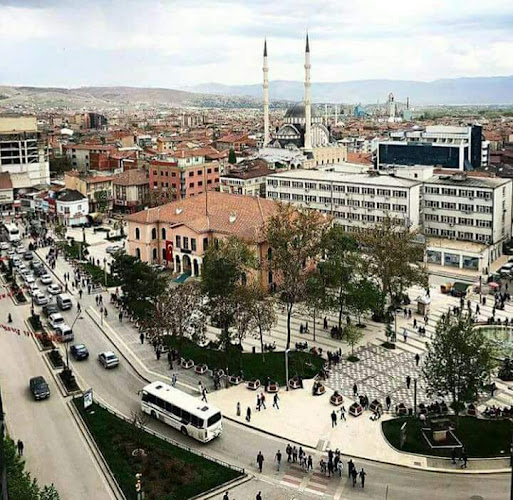
Elâzığ stands as one of those Turkish destinations that somehow manages to fly under the radar despite having absolutely everything a curious traveler could want. This Eastern Anatolian city sprawls across a high plateau at 1,067 meters above sea level, and honestly, that elevation gives it a character all its own – the air feels different here, crisp and invigorating in a way that makes you want to explore every corner.
The city grew up around ancient Harput, which sits perched on the hills above the modern center like a wise grandfather watching over his descendants. And that relationship between old Harput and new Elâzığ? That’s really where the magic happens. You’ve got this fascinating blend of Ottoman heritage mixed with a thoroughly modern Turkish city that’s constantly evolving and growing.
Walking through Elâzığ, you’ll notice it doesn’t try too hard to impress tourists – and that’s actually what makes it so genuine. The streets are filled with locals going about their daily business, students hurrying to classes at Fırat University, and shopkeepers who’ll invite you in for tea without any agenda except genuine hospitality. I remember chatting with a shopkeeper near the city center who spent an hour telling me about his grandfather’s memories of old Harput, not trying to sell me anything, just sharing stories because he was proud of his heritage.
The uppermost Euphrates valley provides a stunning backdrop to everything here. This isn’t your typical river setting – the Euphrates in this region carries weight, both historically and geographically. The Keban Dam and later the Karakaya Dam transformed this landscape decades ago, creating reservoirs that added new dimensions to the region’s character and economy.
But what really sets Elâzığ apart is its position as a cultural crossroads. For centuries, various civilizations have left their marks here – Urartians, Romans, Byzantines, Seljuks, and Ottomans all contributed layers to what you see today. The city serves as the administrative hub for the province, yet it maintains this approachable, medium-sized city feel that makes navigation easy and interactions authentic.
Key Features
The distinctive elements that make Elâzığ worth your travel time include:
• Harput Castle and the old Harput neighborhood sitting dramatically above the modern city, offering both historical depth and panoramic views that’ll have you reaching for your camera constantly
• The Elâzığ Archaeological Museum houses an impressive collection of artifacts spanning from the Bronze Age through Ottoman times, with Urartian pieces that you won’t find replicated elsewhere
• Traditional Elâzığ houses with their distinctive architecture scattered throughout older neighborhoods, showcasing the region’s unique building traditions that adapted to high-altitude living
• Buzluk Cave, a natural ice cave that maintains freezing temperatures year-round despite the region’s hot summers – locals used it as a natural refrigerator for centuries
• Hazarbaba Ski Center provides winter sports opportunities at elevations reaching over 3,000 meters, making it one of the region’s premier mountain destinations
• The weekly markets overflow with local products including the famous Elâzığ tomatoes, regional cheeses, and traditional copper goods that craftsmen still produce using centuries-old techniques
• Hazar Lake sits about 25 kilometers from the city center, offering a tectonic lake environment that’s rare in Turkey and perfect for those seeking natural beauty without crowds
• Religious architecture representing multiple faiths and periods, from the Ulu Cami to the historic churches of Harput, demonstrating the area’s diverse religious history
• Traditional cuisine that reflects the city’s multicultural past, with dishes like harput köftesi and çiğ köfte prepared in ways specific to this region
• Fırat University brings youth energy and cultural events to the city throughout the academic year, creating an interesting dynamic between traditional and contemporary Turkish life
Best Time to Visit
Timing your Elâzığ visit requires thinking about what you want from the experience, because honestly, each season offers something completely different.
Spring, particularly April through June, might be the sweet spot for most travelers. The altitude means temperatures stay comfortable even as summer approaches – you’re looking at pleasant days in the low 20s Celsius without the scorching heat that affects lower elevations. The surrounding countryside explodes with wildflowers during this period, and if you’re planning to explore Harput or hike around Hazar Lake, these months provide ideal conditions.
Summer gets hot – there’s no sugarcoating it. July and August can push temperatures well above 30 degrees Celsius, and that high-altitude sun feels more intense than you’d expect. But here’s the thing: locals actually embrace summer evenings, and the city comes alive after sunset when temperatures drop. The outdoor cafes fill up, families stroll through parks, and you get to experience Turkish social life at its most authentic. Plus, if you head up to Hazarbaba during summer months, you’ll find refreshingly cool mountain air and excellent hiking conditions.
Autumn, especially September and October, rivals spring for travel conditions. The heat breaks, the light takes on this golden quality that photographers dream about, and harvest season means the markets overflow with incredible produce. I’ve found autumn to be the best time for food experiences in Elâzığ – everything tastes better when it’s just been picked or prepared with fresh seasonal ingredients.
Winter transforms Elâzığ into something else entirely. Snow is common from December through March, and temperatures regularly drop below freezing. The ski season at Hazarbaba runs full force, and Harput Castle covered in snow looks like something from a medieval fantasy. However, you need to prepare properly – this isn’t mild Mediterranean winter weather. If you’re not into winter sports or don’t mind cold conditions, you might want to skip these months. But winter also means fewer tourists and a chance to see how locals actually live when the region shows its harsher side.
One more consideration: Ramadan affects dining options and daily rhythms. Planning around this can enhance your experience if you want to participate in iftar dinners and evening celebrations, or you might prefer visiting outside this period if you want all restaurants operating on standard schedules.
How to Get There
Getting to Elâzığ requires a bit more planning than reaching Istanbul or Antalya, but it’s absolutely manageable and honestly, the journey becomes part of the adventure.
Elâzığ Airport sits about 11 kilometers from the city center and handles regular domestic flights. Turkish Airlines operates multiple daily flights from Istanbul, and you’ll also find connections from Ankara. The flight from Istanbul takes roughly 1 hour and 45 minutes, making it the quickest option by far. From the airport, taxis run into the city center for reasonable fares, though you should agree on the price beforehand or ensure the meter’s running. Some hotels offer shuttle services if you arrange things in advance.
But if you’ve got time and want to really understand Anatolian geography, the bus journey offers something special. Turkey’s intercity bus network is genuinely excellent – comfortable coaches with onboard service, regular stops, and routes connecting Elâzığ to major cities across the country. From Ankara, you’re looking at about 9-10 hours, while Istanbul requires around 14-15 hours. Yes, that’s substantial, but overnight buses mean you save accommodation costs and wake up in a completely different landscape. Bus terminals in Turkish cities are well-organized affairs, and Elâzığ’s terminal has decent facilities including cafes, shops, and prayer rooms.
Driving gives you maximum flexibility for exploring the surrounding region. The road network has improved dramatically over the past decade, though winter conditions can be challenging. From Ankara, you’d take the E88/D200 route, covering approximately 600 kilometers. The drive takes you through the heart of Anatolia, passing smaller towns and landscapes that change dramatically as you move east. Having your own vehicle makes reaching places like Hazar Lake and Hazarbaba significantly easier, though navigating within the city itself can be tricky if you’re not familiar with Turkish traffic patterns.
Train service exists but isn’t practical for most travelers – the network in Eastern Anatolia is limited, and routes are often slow and indirect. Stick with flying or busing unless you’re specifically doing a rail journey for the experience itself.
Once you arrive, getting around Elâzığ itself is straightforward. The city has local buses covering main routes, and taxis are plentiful and affordable by international standards. Many of the central attractions are walkable if you don’t mind the hills, and honestly, walking gives you the best feel for the city’s character and neighborhoods.
Tips for Visiting
Actually experiencing Elâzığ rather than just passing through requires understanding some local realities and approaches.
Learn a few Turkish phrases before arriving. English isn’t widely spoken here compared to coastal tourist areas, and making even basic attempts at Turkish will change how people interact with you. Simple phrases for greetings, thank you, and asking prices go remarkably far. I’ve found that attempting Turkish, even badly, opens doors that staying monolingual simply doesn’t.
Dress with some awareness of local norms. Elâzığ is more conservative than Istanbul or Izmir – you won’t face problems as a tourist, but modest clothing shows respect and helps you blend in better. Women might feel more comfortable with covered shoulders and longer skirts or pants, particularly when visiting mosques or older neighborhoods. Men should avoid shorts except in clearly touristy or sports contexts.
The altitude affects people differently. That 1,067-meter elevation isn’t extreme, but some visitors feel slightly breathless during their first day or two, especially if exerting themselves. Take it easy initially, stay hydrated, and don’t schedule intense activities immediately upon arrival.
Cash remains important here. While larger hotels and restaurants accept cards, smaller shops, markets, and taxis often operate on cash-only basis. ATMs are readily available throughout the city, but having Turkish lira on hand prevents awkward situations and sometimes gets you better prices.
Food adventurousness will be rewarded. Don’t stick to familiar dishes – try the regional specialties that don’t exist elsewhere. The içli köfte here differs from other regions, and the local take on kebabs incorporates techniques and seasonings specific to Eastern Anatolia. Street food is generally safe and delicious, though use common sense about vendor cleanliness.
Hiring a local guide for Harput makes a huge difference. The ruins and historical sites benefit enormously from context and stories that you simply won’t get from wandering independently. Guides aren’t expensive, and the investment pays off in understanding and appreciation.
Friday prayers affect visiting mosques – plan around midday prayer times if you want to enter religious sites. But attending Friday prayers as a respectful observer can itself be a meaningful cultural experience if approached properly.
Photography of military installations or government buildings is prohibited and taken seriously. Stick to obviously tourist-friendly subjects, and ask permission before photographing people, particularly women and children.
Weather changes rapidly at this elevation and in this continental climate. Bring layers regardless of season, and check forecasts before heading to Hazar Lake or the mountains where conditions can shift dramatically and quickly.
The pace here differs from Turkey’s western cities. Things take longer, shops close for extended lunch periods, and pushing for speed or efficiency often backfires. Adjust your expectations, build buffer time into plans, and embrace the slower rhythm as part of the experience rather than fighting it.
Finally, don’t rush through Elâzığ on your way to somewhere else. The city rewards those who invest time in understanding it rather than treating it as a quick stopover. Plan at least three days, more if possible, and let the place reveal itself gradually rather than trying to tick off attractions in a rushed itinerary.
 Real Journey Travels