Description
Dwarkadhish Temple stands as one of India’s most revered spiritual destinations, drawing devotees and curious travelers from across the globe to experience its profound atmosphere. This ancient temple dedicated to Lord Krishna – known here as Dwarkadhish, the King of Dwarka – holds a special place among the Char Dham pilgrimage sites that millions of Hindus aspire to visit in their lifetime.
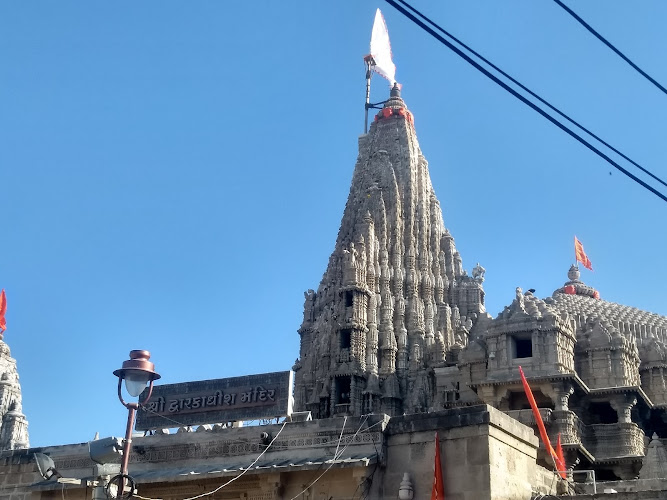
Walking towards the temple for the first time, you’ll immediately sense why this place has captivated worshippers for centuries. The structure itself rises majestically with its five-story main shrine supported by 72 pillars, showcasing architectural brilliance that has withstood the test of time. And honestly, there’s something almost magnetic about the energy here that’s difficult to describe until you experience it yourself.
The temple’s setting near the Arabian Sea adds another dimension to the visit. You’re not just exploring a religious site – you’re stepping into a place where mythology, history, and oceanfront beauty converge. According to Hindu texts, Lord Krishna established the ancient kingdom of Dwarka here, and the temple marks this sacred ground where divinity once walked among mortals.
What makes Dwarkadhish Temple particularly fascinating is how it manages to be both deeply traditional and surprisingly welcoming to first-time visitors. The temple complex buzzes with activity throughout the day, with priests conducting elaborate rituals, devotees offering prayers, and the constant ringing of bells creating a soundscape that becomes almost hypnotic. But it never feels exclusionary or intimidating, even if this is your first Hindu temple experience.
The main deity – a black idol of Lord Krishna – stands adorned with elaborate decorations that change throughout the day according to different darshan timings. Each viewing offers a different aesthetic experience, with the deity dressed in various ornaments and clothes. I’ve spoken with travelers who’ve returned multiple times just to witness these different presentations, and they describe each darshan as having its own unique spiritual flavor.
Key Features
The Dwarkadhish Temple offers several distinctive elements that make it stand out among India’s countless religious sites:
• The temple’s architectural design follows the Chalukya style, featuring intricate carvings and detailed craftsmanship that rewards careful observation. Look up at the temple spire and you’ll spot sculptures and decorative elements that artisans created centuries ago.
• Five different darshan timings throughout the day allow visitors to witness the deity in various traditional attires and decorations, each representing different aspects of Lord Krishna’s life and legends.
• The 56-step climb to reach the main temple may challenge some visitors, but these stairs hold symbolic significance in Hindu tradition and the view from the top makes every step worthwhile.
• Wheelchair accessible entrance and parking facilities ensure that devotees with mobility challenges can participate in the temple experience, which isn’t always common at ancient religious sites in India.
• The Gomti Ghat nearby provides a serene spot for reflection and offers a chance to witness evening aarti ceremonies that create unforgettable memories with lamps reflected on water.
• Restroom facilities within the complex address practical concerns that many historic temples overlook, making longer visits more comfortable.
• The temple’s location in the coastal town of Dwarka means you can combine your spiritual journey with exploring beaches, the Dwarkadhish Marine National Park, and the legendary Bet Dwarka island.
• Elaborate festivals, particularly Janmashtami (Krishna’s birthday), transform the temple into a spectacular celebration with decorations, special rituals, and thousands of devotees creating an electric atmosphere.
Best Time to Visit
Timing your visit to Dwarkadhish Temple can dramatically affect your experience, and there’s no single “perfect” time that works for everyone. It really depends on what you’re hoping to get from the journey.
Winter months from October through March offer the most comfortable weather conditions for exploring the temple and surrounding areas. Temperatures hover between pleasant and cool, making the climb up those 56 steps far less taxing than during summer’s scorching heat. This period sees significant visitor numbers, but the crowds generally manage themselves reasonably well except during major festivals.
If you’re specifically interested in experiencing the temple during a major celebration, Janmashtami in August or September should top your list. The temple transforms completely during this festival celebrating Krishna’s birth, with special decorations, extended darshan hours, and an energy level that’s off the charts. But fair warning – you’ll be sharing the experience with massive crowds, and patience becomes essential. Some travelers thrive on this intensity while others find it overwhelming.
Monsoon season from June through September presents an interesting option that many guidebooks dismiss too quickly. Yes, you’ll encounter rain, but the landscape around Dwarka becomes lush and the temple takes on a different character during this season. Crowds thin out considerably, which might appeal to those seeking a more contemplative visit. Just check weather forecasts carefully and prepare for potential travel disruptions.
Summer months from April through June test your heat tolerance. Temperatures can soar, making midday visits particularly challenging. However, if your travel schedule only allows a summer visit, plan your temple time for early morning or evening hours. The sunrise darshan offers spectacular lighting and relatively cooler temperatures.
Consider also the day of the week. Weekends and Indian holidays bring larger crowds, while weekday mornings often provide the most peaceful temple experience. And if you’re not tied to seeing the main deity at a specific darshan time, the less popular viewing hours let you explore the complex with more breathing room.
How to Get There
Getting to Dwarkadhish Temple requires some planning since Dwarka isn’t exactly a major metropolitan hub, but the journey itself becomes part of the pilgrimage experience for many visitors.
By air, your closest option is Jamnagar Airport, located roughly 145 kilometers from Dwarka. Several daily flights connect Jamnagar with major Indian cities including Mumbai, Delhi, and Ahmedabad. From the airport, you’ll need to arrange road transport – either hiring a taxi for the approximately three-hour drive or catching a bus if you’re traveling on a tighter budget. The road journey offers glimpses of rural Gujarat that you’d miss with a more direct route.
Train travel to Dwarka works surprisingly well and many pilgrims prefer this option. Dwarka Railway Station connects with cities across India, though you might need to change trains depending on your starting point. Several trains run from Ahmedabad, which serves as a convenient connection hub. The overnight sleeper trains from cities like Mumbai or Delhi let you save on a hotel night while covering distance, though be prepared for the authentic Indian railways experience which has its charms and challenges.
By road, Dwarka connects through a network of highways with neighboring Gujarat cities. The roughly 470-kilometer journey from Ahmedabad takes about 8-9 hours by car or bus. State-run buses and private operators offer various comfort levels and price points. If you’re driving yourself, the roads are generally decent though driving in India requires confidence and constant alertness.
Once you arrive in Dwarka town, the temple’s prominent position means you can’t really miss it. Auto-rickshaws and local taxis can drop you near the entrance, though many accommodations are within walking distance. The compact nature of Dwarka town actually works in your favor – you’re never too far from the main attraction.
Tips for Visiting
Having a few practical insights before you visit can make the difference between a frustrating experience and a meaningful one at Dwarkadhish Temple.
Dress modestly and respectfully. This isn’t the place for shorts, sleeveless tops, or revealing clothing. Both men and women should cover their legs and shoulders. Many regular visitors wear traditional Indian attire, but this isn’t required – just ensure your clothing shows respect for the sacred space you’re entering.
Photography restrictions apply inside the main temple area, so don’t expect to capture selfies with the deity. But honestly, sometimes putting the camera away and just being present creates more lasting memories than any photo could. The outer areas of the complex generally allow photography, but always check before clicking.
Security measures require you to deposit phones, cameras, and bags at designated counters before entering the main shrine area. The process works smoothly most times, but keep your valuables secure and maybe carry a small lock for the storage lockers. Don’t bring more than you need.
Footwear must be removed before entering the temple, and the floor can get hot during midday hours. Some visitors bring socks to protect their feet, which is perfectly acceptable. Shoe storage facilities are available near the entrance.
Plan for the climb. Those 56 steps aren’t terrible for most people, but if you have mobility issues, take your time and use the handrails. The wheelchair accessible entrance provides an alternative route that bypasses the stairs.
Darshan timings vary throughout the year and during festivals, so verify the current schedule before planning your visit. Missing darshan by a few minutes because you didn’t check timing can be genuinely disappointing.
Consider hiring a local guide if you’re interested in understanding the temple’s history, architectural details, and religious significance. The stories and context they provide adds depth that you’d miss exploring independently. And supporting local guides helps the community.
Be prepared for crowds, especially during festival seasons and weekends. Patience isn’t just a virtue here – it’s a requirement. The queues move steadily but not quickly, and maintaining a calm mindset helps everyone.
Combine your temple visit with other Dwarka attractions to maximize your journey. The Rukmini Devi Temple, Gomti Ghat, and Bet Dwarka island each offer unique experiences that complement the main temple visit.
Respect local customs and the devotional atmosphere. Keep your voice down, avoid pushing through crowds, and remember that for many people around you, this visit represents the fulfillment of a lifelong spiritual goal. Your mindful presence honors their devotion.
Lastly, stay hydrated and carry some snacks, especially if you’re visiting during hot months. While you can’t bring food into the temple itself, having refreshments for before and after helps maintain your energy levels throughout the day.