Description
The Diocesan Shrine and Cathedral Parish of Our Lady of the Pillar stands as one of Cavite’s most historically significant religious landmarks, drawing both devout pilgrims and curious travelers to the heart of Imus. This isn’t just another cathedral you’ll scroll past on your travel itinerary – it’s a place where colonial Spanish architecture meets Filipino devotion in ways that honestly surprised me when I first visited.
Built during the Spanish colonial period, the cathedral has witnessed centuries of Philippine history unfold right at its doorstep. The structure itself tells stories through its weathered stones and carefully preserved architectural elements that you won’t find replicated in modern churches. And let me tell you, there’s something genuinely moving about standing in a space that’s been a center of faith for generations of families.
What makes this cathedral particularly interesting for travelers is how it manages to remain an active parish while also serving as a cultural touchstone for the entire region. You’ll find yourself sharing the space with locals attending daily mass, elderly women whispering novenas, and families bringing their children for baptism – it’s that authentic slice of Filipino Catholic life that guidebooks often struggle to capture adequately.
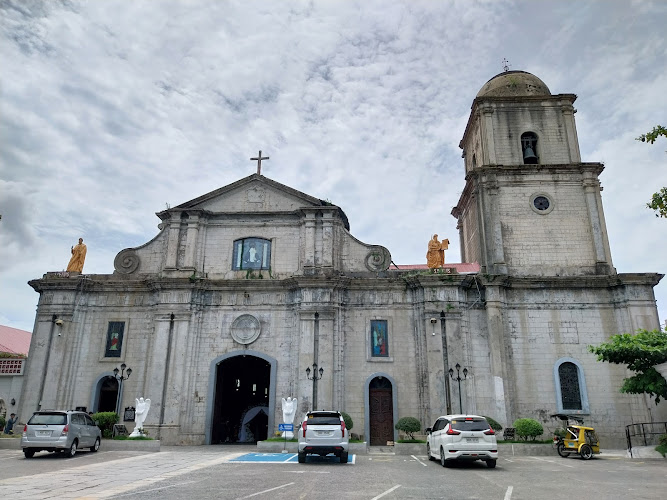
The cathedral underwent significant restoration work over the years, which means you’re experiencing a well-maintained historical site rather than a crumbling relic. But they’ve managed to preserve that aged character that makes old churches so captivating. The facade alone deserves a good fifteen minutes of your attention, with its distinctive bell tower reaching skyward and architectural details that reflect the Baroque influences popular during its construction era.
Inside, the atmosphere shifts to something more contemplative. High ceilings, religious art pieces, and the ever-present scent of candle wax create an environment that invites you to slow down – something travelers don’t do nearly enough of these days. Even if you’re not particularly religious, the cultural significance and peaceful ambiance make it worth including in your Cavite exploration.
Key Features
The cathedral offers several distinctive elements that set it apart from other religious sites in the region:
- Spanish colonial architecture featuring Baroque-influenced design elements that have survived natural disasters and wars throughout Philippine history
- The revered image of Our Lady of the Pillar, which holds deep significance for devotees and represents a direct connection to the Spanish devotional tradition brought to the Philippines centuries ago
- A towering bell tower that serves as a landmark visible throughout Imus and provides an excellent reference point when you’re navigating the surrounding area
- Complete accessibility features including wheelchair-accessible entrances, parking areas, and restroom facilities – something you can’t always count on at historical religious sites in the Philippines
- Onsite services that cater to both worshippers and visitors, making it functional as both an active place of worship and a tourist destination
- Intricate altar designs and religious iconography that showcase traditional Filipino Catholic artistic traditions mixed with European influences
- A spacious interior that can accommodate large congregations during major feast days and religious celebrations without feeling cramped
- Clean, well-maintained restroom facilities – trust me, this matters more than you think when you’re spending a day exploring the city
- Regular mass schedules throughout the week, allowing visitors to experience authentic Filipino Catholic worship practices if they’re interested
- A welcoming atmosphere where tourists are generally respected and accommodated, though you’ll want to be mindful of ongoing religious services
Best Time to Visit
Timing your visit to Imus Cathedral can make a substantial difference in your experience, and I’d recommend considering a few factors before you head out.
The annual feast day of Our Lady of the Pillar, celebrated in October, brings the cathedral to life in ways that regular days simply can’t match. If you’re someone who wants to experience Filipino religious festivities at their most passionate, this is when you should plan your trip. The cathedral grounds fill with devotees, street vendors appear selling everything from religious medals to local snacks, and the energy becomes almost palpable. But fair warning – you’ll be sharing the space with thousands of pilgrims, so forget about quiet contemplation during this period.
For travelers seeking a more peaceful visit where you can actually appreciate the architecture and soak in the atmosphere without dodging crowds, weekday mornings between 9 AM and 11 AM work beautifully. The morning mass attendees have usually dispersed, the afternoon heat hasn’t reached its peak yet, and the natural light filtering through the windows creates this gorgeous ambiance for photography.
Weather-wise, the dry season from November through April offers the most comfortable conditions for exploring. The Philippines’ wet season can turn a simple cathedral visit into a soggy affair, especially since you’ll likely be walking around the exterior to appreciate the full architectural scope. And let me be honest – trying to get quality photos while juggling an umbrella in tropical downpours isn’t anyone’s idea of fun.
Sunday visits give you that full Filipino Catholic experience with well-attended masses and families dressed in their Sunday best. It’s culturally rich but can feel overwhelming if you’re primarily there for the historical and architectural aspects. Early Sunday morning mass around 6 AM attracts fewer crowds than the later services, offering a middle ground.
Holy Week in the Philippines is an experience unto itself. The cathedral becomes a focal point for Lenten observations, and you’ll witness traditions that have been practiced for generations. However, this period also brings massive crowds and heightened security, so prepare accordingly.
Avoid visiting during the hottest part of the day between 12 PM and 3 PM, especially from March to May. The cathedral provides some relief from the heat, but walking around the exterior and nearby areas becomes genuinely unpleasant during peak afternoon temperatures.
How to Get There
Getting to Imus Cathedral is surprisingly straightforward, though your mode of transportation will significantly impact your experience.
If you’re coming from Manila, the cathedral sits roughly 20 kilometers south, making it an easy day trip or a convenient stop if you’re heading further into Cavite province. Driving your own vehicle gives you the most flexibility – just take Aguinaldo Highway southbound, and you’ll find the cathedral prominently positioned along the road. Parking can get tricky during peak visiting times though, so factor in some extra time for finding a spot.
For travelers relying on public transportation, several options exist. Buses heading to Cavite from Manila pass through Imus regularly. Look for buses with “Trece Martires” or “Naic” signage at terminals in Baclaran or along Taft Avenue. Tell the conductor you’re heading to “Imus Cathedral” or “Our Lady of the Pillar” and they’ll let you know when to disembark. The fare is minimal – usually less than what you’d spend on a decent cup of coffee.
Jeepneys provide another authentic Filipino transportation experience. Routes from neighboring municipalities like Bacoor, Dasmarinas, and General Trias frequently pass by the cathedral. The drivers know the landmark well, so don’t hesitate to ask for assistance. Just be prepared for a more cramped ride compared to buses.
Ride-sharing services like Grab operate in this area and offer the comfort and convenience of door-to-door service without the navigation headaches. This option works particularly well if you’re traveling in a small group and can split the cost.
From nearby cities within Cavite, tricycles can bring you directly to the cathedral grounds. Negotiate the fare before starting your journey – rates vary depending on your starting point but generally remain reasonable.
The cathedral’s location in the city center means you’ll find it relatively easy to spot once you’re in the general vicinity. That distinctive bell tower serves as an excellent visual landmark. And honestly, if you get lost, just ask any local – everyone knows where the cathedral is located.
Tips for Visiting
Having visited numerous churches and cathedrals throughout Southeast Asia, I’ve picked up some insights that’ll help you make the most of your time at Imus Cathedral.
Dress appropriately – this seems obvious but you’d be surprised how many tourists show up in beachwear or revealing clothing. The cathedral maintains standards of modesty, and you might be denied entry if you’re dressed too casually. Covering your shoulders and knees shows respect and ensures you won’t face any awkward situations at the entrance. Keep a light scarf or shawl in your bag if you’re visiting on a hot day and want to cover up quickly.
Photography is generally permitted, but be mindful of ongoing masses or religious ceremonies. Flash photography during services is a definite no-no. I’ve found that early morning provides the best natural lighting for interior shots anyway, so plan accordingly if you’re serious about capturing quality images.
Silence your phone completely – not just vibrate, but actually off or in complete silent mode. Nothing disrupts the contemplative atmosphere quite like a ringtone echoing through the cathedral’s high ceilings.
Take advantage of the wheelchair accessibility features if you’re traveling with elderly companions or family members with mobility challenges. The cathedral has made genuine efforts to accommodate all visitors, which unfortunately isn’t always the case at historical Philippine churches.
If you want to light candles or make offerings, small bills and coins are appreciated. The cathedral maintains itself partially through these donations, and it’s a meaningful way to participate in the devotional practices even if you’re just there as a tourist.
Attend a mass if your schedule allows, even if you’re not Catholic. The experience offers insights into Filipino religious culture that you simply can’t get from walking around an empty church. Just be respectful, follow the congregation’s lead during different parts of the service, and stay seated if you’re not comfortable participating in communion.
The immediate area around the cathedral has several small eateries and shops worth exploring. Don’t rush off immediately after your visit – grab some local snacks and observe daily life in Imus for a bit. The vendors near religious sites often have interesting stories and perspectives to share.
Visit the restroom before entering the main worship area for extended periods. While facilities are available, constantly leaving and returning during your visit disrupts both your experience and that of others.
Bring water, especially during warmer months, but consume it outside the main worship area. Staying hydrated matters, but eating and drinking inside the cathedral itself is considered disrespectful.
If you’re interested in the cathedral’s history, see if there are any volunteer guides available or check with the parish office for information. Sometimes local parishioners are happy to share stories and historical details that you won’t find in any guidebook.
Be prepared for occasional power interruptions – they’re not common but they happen in the Philippines. The cathedral relies partly on natural light anyway, so it doesn’t dramatically impact your visit, but it’s something to keep in mind.
Respect the local devotees you’ll encounter. Remember that while you’re there as a tourist attraction, for many people this is their spiritual home. Give space to those praying, avoid loud conversations, and generally just be considerate of the fact that you’re a guest in a sacred space.
Finally, take your time. One of the biggest mistakes travelers make is rushing through places like this, checking them off a list and moving on. The cathedral rewards those who slow down, observe the details, and allow themselves to simply exist in the space for a while. You came all this way – give yourself permission to truly experience it rather than just photograph it and leave.