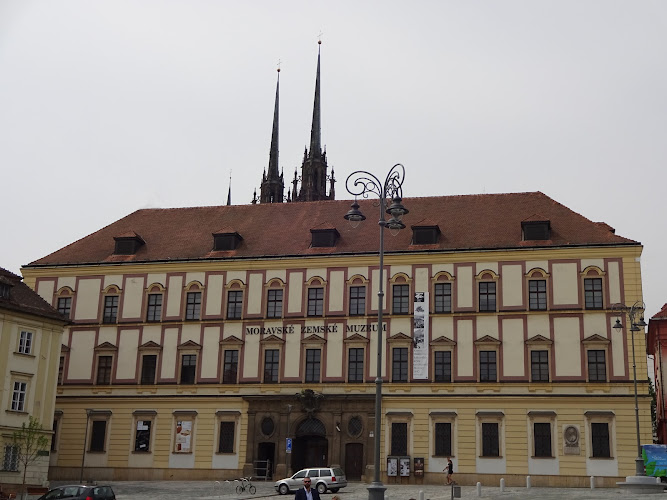
It doesn’t shout for attention, and that’s kind of the point. Built as a noble residence and later transformed into a museum, the palace today works as a living archive of regional history, art, and everyday life that once unfolded behind thick walls and tall windows. Travelers who enjoy museums with a sense of place—rather than endless glass cases—tend to linger here longer than planned.
From the outside, the palace feels solid and dignified, almost stubbornly calm. Step inside and the mood shifts. Rooms open one by one, each telling a slightly different story: aristocratic lifestyles, religious influences, local crafts, and the slow reshaping of society over centuries. It’s historical, yes, but not dusty. And that balance is harder to pull off than people think.
The palace functions primarily as a museum and tourist attraction, with exhibitions spread across multiple floors. Some rooms are permanent, others change with the seasons. That rotation is a smart move. Even repeat visitors usually find something new, or at least a new angle. The exhibitions don’t overwhelm you with text panels either. They assume you’re curious, not cramming for an exam, which feels refreshingly respectful.
There’s also a human scale to the experience. You’re not swallowed by massive halls or lost in a maze of corridors. Instead, you move at a comfortable pace. I remember thinking, during my own visit, that it felt like walking through someone’s very large, very well-organized home. And that feeling sticks with you.
Families tend to appreciate the approachable layout, and kids aren’t treated like an afterthought. The palace clearly makes an effort to be welcoming without turning the place into a playground. It’s a museum first, but a friendly one. And for travelers who enjoy history without heavy dramatics, that’s a win.
Key Features
One detail that doesn’t get mentioned enough is how calm the palace feels. Even on busier days, there’s rarely that stressed museum energy. Maybe it’s the layout, or the thick walls, or just good crowd management. Either way, it makes a difference.
Best Time to Visit
The palace can be visited year-round, but timing matters if you want the most relaxed experience. Late spring and early autumn are especially pleasant. The weather tends to cooperate, and the surrounding area feels alive without being crowded. Summer brings more travelers, especially families, which can add noise but also energy. It’s a trade-off.
Mornings are usually the sweet spot. Arriving early gives you space to move slowly, read what interests you, and skip what doesn’t. By midday, group tours sometimes roll in, and while they’re well-managed, the atmosphere changes a bit. Not worse, just busier.
Winter visits have their own charm. Fewer people, quieter rooms, and a sense that the palace is exhaling. I once visited on a cold afternoon, coat still on, hands a little numb, and the warmth inside felt almost symbolic. The exhibits seemed more intimate then, like they were sharing secrets.
If you’re traveling with kids, school holidays can be a mixed bag. More interactive energy, yes, but also more distractions. It really depends on what kind of visit you’re after.
How to Get There
Reaching the Dietrichstein Palace is generally straightforward, especially for travelers already exploring the region. The palace sits in a well-known historical area, making it accessible by public transport as well as by car. Trains and buses connect nearby towns efficiently, and from the main stops, it’s typically a short walk.
Walking to the palace is actually part of the experience. Streets gradually shift in character, and you can feel the history building as you approach. And yes, that sounds poetic, but it’s also true. The palace doesn’t feel dropped into place; it belongs there.
For drivers, parking options are usually available within walking distance. It’s worth checking local signage and planning ahead, especially during peak tourist months. Nobody enjoys circling unfamiliar streets while trying to read a map upside down. Been there, done that.
Once you arrive, the entrance area is clear and well-marked. Staff are generally helpful, and even if you’re not sure where to start, someone will point you in the right direction without making you feel rushed.
Tips for Visiting
First tip: give yourself time. This isn’t a place to sprint through. Most visitors spend between one and two hours, but it’s easy to stretch that if something grabs your attention. And something usually does.
Second, wear comfortable shoes. The palace floors are forgiving, but standing still while reading exhibits adds up. I learned that the hard way, ignoring my own advice, and regretted it halfway through the second floor.
Photography policies can vary by exhibition, so pay attention to signs. Some rooms invite photos, others politely ask you not to. Respecting that keeps the experience smooth for everyone.
If you’re visiting with children, let them lead occasionally. The museum is good for kids, but only if they feel involved. I’ve watched adults drag bored children from room to room, and it never ends well. Let curiosity set the pace.
There’s no restaurant on-site, so plan meals accordingly. A short break outside before or after your visit can reset your energy levels. Restrooms are available and accessible, which sounds minor but matters more than people admit.
Lastly, don’t overthink it. You don’t need deep historical knowledge to enjoy the Dietrichstein Palace. Just bring curiosity, a bit of patience, and the willingness to slow down. The palace rewards that kind of visitor.
And one more thing—keep an eye out for small details. Carved door frames, worn steps, unexpected views from windows. Those moments, quiet and easy to miss, often end up being the most memorable. At least, that’s how it worked for me.
 Real Journey Travels