
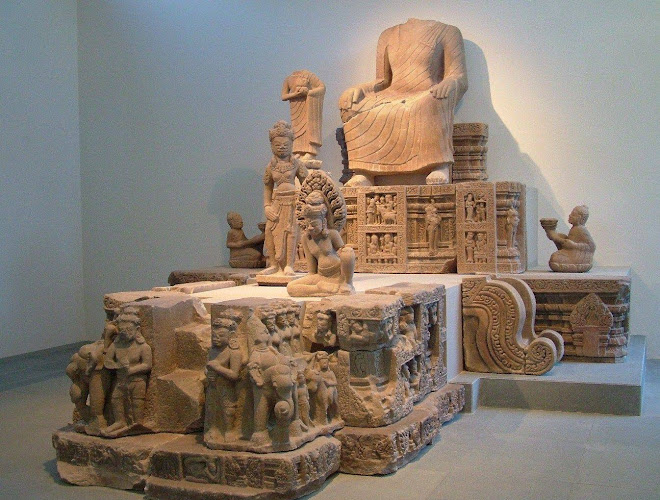
Da Nang Museum of Cham Sculpture
About Da Nang Museum of Cham Sculpture
The Da Nang Museum of Cham Sculpture is one of those places that people either stumble upon because they’re curious about the strange, almost otherworldly statues they’ve seen in photos, or they go out of their way to visit because they’re genuinely fascinated by ancient history. Either way, it leaves a mark. The museum is compact, yes, but sometimes smaller spaces make you slow down and actually look. Here, you’ll find the world’s largest collection of Cham artifacts—carvings, statues, and relics that date back centuries. The Cham people once ruled much of central and southern Vietnam, and their art still carries a raw, spiritual energy that’s hard to ignore.
Walking through the galleries, you’ll notice the stone sculptures aren’t polished or “perfect” in the way Greek or Roman pieces might be. They’re rough, textured, and deeply symbolic. That’s part of the charm. There are also costumes, musical instruments, and cultural items that give you a glimpse into how the Cham lived beyond their temples and shrines. Some visitors find it mesmerizing, others say it feels repetitive after a while. Personally, I think it depends on how much you enjoy letting history sink in slowly. It’s not a flashy museum with interactive screens or modern gimmicks, but that’s also what makes it feel authentic. You’re standing in front of art that has survived wars, weather, and time itself.
It’s not without its downsides. The museum can feel a little dated in terms of presentation, and if you’re not into ancient art, you might breeze through in under an hour. But for travelers who appreciate culture and heritage, it’s a quiet and meaningful stop in Da Nang. To me, it’s like stepping into a time capsule of a civilization that doesn’t get nearly as much attention as it should.
Key Features
- World’s largest collection of Cham sculptures and artifacts
- Compact layout that’s easy to explore in an hour or two
- Displays of Cham costumes, musical instruments, and cultural items
- Wheelchair accessible entrances, restrooms, and parking
- Onsite amenities like restrooms and free Wi-Fi (though no restaurant)
- Family-friendly environment, good for kids curious about history
- Air-conditioned galleries providing comfort in Da Nang’s heat
Best Time to Visit
If you’ve ever been to central Vietnam, you’ll know that the weather can be relentless. The museum is open year-round, but the best time to visit is during the cooler, drier months between December and March. The air is less humid, the skies are clearer, and you won’t be dripping with sweat five minutes after stepping outside. That said, because the museum is air-conditioned, you can technically go anytime of year and still feel comfortable. I once visited in July, smack in the middle of the hot season, and honestly, it felt like a mini oasis compared to the streets outside.
Mornings tend to be quieter, which gives you space to wander without feeling rushed. By late afternoon, especially on weekends, it can get a bit crowded with tour groups. If you’re the type who likes to take photos without strangers in the background, aim to arrive right after opening.
How to Get There
Da Nang is pretty easy to navigate, and the museum sits in a central location that isn’t hard to reach. If you’re staying near the Han River or the city center, you can even walk there in about 10 to 15 minutes. For those staying along My Khe Beach, a quick taxi or Grab ride will get you there in under 10 minutes. Public buses do pass nearby, but honestly, most travelers find taxis or motorbike rentals more convenient—especially if you’re planning to pair the museum with other stops like the Dragon Bridge or the Han Market.
Personally, I recommend going by motorbike if you’re comfortable riding in Vietnam’s traffic. It gives you the freedom to explore other spots afterward without being tied to a schedule. Parking is straightforward, and you won’t have to worry about long walks in the heat.
Tips for Visiting
First things first: don’t rush. Even though the museum isn’t huge, the details on the sculptures deserve a closer look. You’ll notice intricate carvings that tell stories of gods, battles, and daily life. Take your time, and maybe even bring a small notebook if you’re the type who likes to jot down impressions—it’s surprising how much sticks when you write about what you see.
Another tip: bring a light jacket or scarf. The air conditioning can feel chilly after a while, especially if you’ve been walking in the sun outside. Also, keep in mind that there’s no café or restaurant onsite, so it’s best to eat before you go. There are plenty of local food spots nearby, though, so you won’t be stuck hungry for long.
If you’re traveling with kids, the museum is manageable for them. It’s not overwhelming in size, and the statues often spark their curiosity (though you’ll probably need to explain that no, they can’t climb on them). Photography is allowed, so bring your camera, but be mindful of other visitors. And if you’re a history buff, consider reading a bit about the Cham civilization before visiting—it makes the experience much richer when you understand the context of what you’re seeing.
Lastly, don’t skip the quieter corners of the museum. Some of the smaller galleries have pieces that are just as impressive as the main halls, but they often get overlooked. It’s in those tucked-away rooms that you sometimes find the most moving artifacts. For me, that’s where the museum really comes alive.
Key Features
- World’s largest collection of Cham sculptures and artifacts
- Compact layout that’s easy to explore in an hour or two
- Displays of Cham costumes, musical instruments, and cultural items
- Wheelchair accessible entrances, restrooms, and parking
- Onsite amenities like restrooms and free Wi-Fi (though no restaurant)
- Family-friendly environment, good for kids curious about history
- Air-conditioned galleries providing comfort in Da Nang’s heat
You Might Also Like

3D Museum Art in paradise Da Nang

Ba Na Hills

Ba Na Hills SunWorld
Tours & Activities
GetYourGuide provides this tour inventory. We may earn a commission if you book through it; verify current availability, prices, and terms with the provider.
Visitor Reviews
There are no reviews yet. Be the first one to write one.
Share Your Experience
Have you visited Da Nang Museum of Cham Sculpture? Help other travelers by leaving a review.