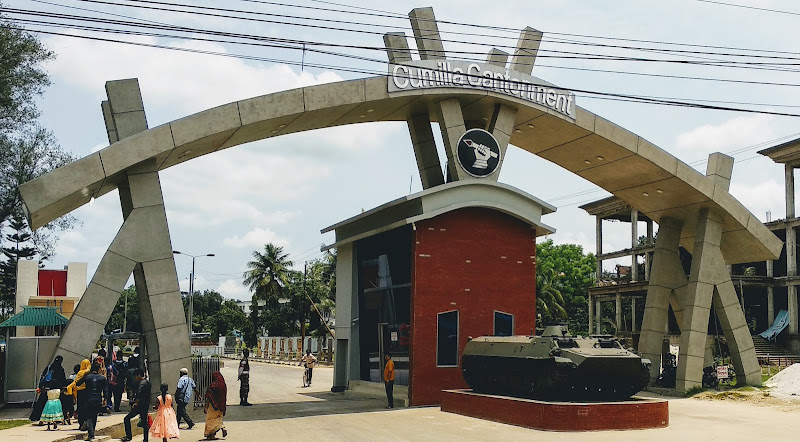
Cumilla Cantonment
About Cumilla Cantonment
Description
Cumilla Cantonment stands as one of Bangladesh's most significant military installations, and honestly, it's a place that doesn't always get the attention it deserves from travelers looking to understand the country's military heritage and modern administrative structure. This isn't your typical tourist destination with flashy attractions, but rather a functioning military area that offers visitors a unique glimpse into the disciplined world of Bangladesh's armed forces. The cantonment sprawls across a considerable area in Cumilla district, serving as both an operational military base and an administrative hub for the region's defense activities. What strikes most visitors first is the immaculate organization – everything here follows a precise order that you don't often see in other parts of Bangladesh. The roads are cleaner, the buildings maintain a certain uniformity, and there's an atmosphere of purpose that pervades the entire area. I remember when I first visited a military cantonment years ago, I was surprised by how different it felt from the bustling cities just outside its gates. It's like stepping into a parallel version of Bangladesh where everything runs on military time and precision. The Cumilla Cantonment embodies this same characteristic, offering travelers an interesting contrast to the more chaotic energy of civilian areas. The cantonment isn't just about military operations though. It houses residential areas for military personnel and their families, educational institutions, medical facilities, and various recreational spaces. This creates a self-contained community that functions almost like a city within a city. And yes, before you ask, there are designated areas where civilians can visit, though you'll need to follow specific protocols which I'll get into later. What makes this place particularly interesting for travelers is the opportunity to witness how military discipline shapes urban planning and daily life. The architecture reflects both functional military requirements and the need to provide a quality living environment for service members. You'll notice the greenery is well-maintained, security is tight but professional, and there's an overall sense of order that some travelers find refreshing. The facilities here are surprisingly modern. They've made genuine efforts to ensure accessibility, which is something I appreciate seeing in any public space. The cantonment board manages the area efficiently, overseeing everything from infrastructure maintenance to public services within the military zone.Key Features
- Full wheelchair accessibility throughout the premises, including entrance points and parking facilities – this is actually quite impressive for a military installation in Bangladesh
- Professional onsite services that cater to both military personnel and authorized civilian visitors, ensuring smooth operations and assistance when needed
- Meticulously maintained grounds with tree-lined avenues that provide a pleasant environment for walking and observation
- Military architecture showcasing Bangladesh's defense infrastructure with buildings that blend functionality with aesthetic considerations
- Secure environment with professional security personnel who maintain order while treating visitors with respect
- Educational and medical facilities that serve the military community and sometimes extend services to civilians through proper channels
- Recreational areas including sports facilities and parade grounds where you might witness military drills and ceremonies if timing aligns
- Administrative offices of the cantonment board where various civic matters related to the military area are handled
- Well-organized traffic management system that keeps vehicle movement orderly and safe
- Clean and hygienic surroundings that stand as a testament to military discipline and organizational standards
Best Time to Visit
Timing your visit to Cumilla Cantonment requires a bit more thought than your average tourist spot. The cantonment operates year-round, but certain periods offer better experiences than others. The winter months from November through February are absolutely your best bet. The weather in Bangladesh during this time is pleasant – not too hot, not rainy, just comfortable temperatures that make walking around and exploring much more enjoyable. I've traveled through Bangladesh in different seasons, and trust me, you don't want to be walking around in the scorching heat of April or May if you can avoid it. Early mornings between 8 AM and 10 AM work particularly well. The cantonment comes alive with activity during these hours, and you might catch glimpses of morning drills or routine military activities that provide authentic insight into military life. Plus, the morning light is perfect for photography if that's your thing. Weekdays generally offer a more authentic experience than weekends. During regular working days, you'll see the cantonment functioning at full capacity, which gives you a better sense of its operational nature. But be mindful that this also means stricter schedules and less flexibility in terms of movement within authorized areas. Avoid visiting during major national holidays or sensitive periods when security protocols might be heightened. The cantonment board sometimes restricts civilian access during specific events or military exercises. It's worth calling ahead or checking locally to ensure your planned visit won't coincide with restricted periods. The monsoon season from June to September can make getting around challenging. Roads might get waterlogged, and the overall experience becomes less pleasant when you're dealing with heavy rainfall. Though if you're someone who doesn't mind the rain and wants to see the cantonment in a different light, the greenery does look particularly lush during this period.How to Get There
Getting to Cumilla Cantonment isn't complicated, but it does require some planning since it's a controlled military area. The cantonment is located in Cumilla district, which sits about 97 kilometers southeast of Dhaka, making it reasonably accessible from the capital. If you're coming from Dhaka, you've got several options. The most comfortable is hiring a private car, which takes roughly two to three hours depending on traffic conditions. The Dhaka-Chittagong Highway passes through Cumilla, and the cantonment is accessible from this main route. Having your own vehicle gives you flexibility and saves the hassle of negotiating with local transport once you arrive. Bus services run frequently between Dhaka and Cumilla. Companies like Shyamoli, Green Line, and several others operate regular routes. The journey costs significantly less than a private car – we're talking maybe 200-300 taka versus thousands for a private vehicle. From the main Cumilla bus terminal, you can catch a local rickshaw or CNG auto-rickshaw to reach the cantonment area. Just tell the driver "Cantonment" and they'll know where to take you. Train travel is another viable option. Bangladesh Railway operates services to Cumilla station, and from there it's a short rickshaw ride to the cantonment. The train journey offers a different perspective of the Bangladeshi countryside, though it takes longer than buses – sometimes four to five hours from Dhaka. Once you're in Cumilla town, local transportation to the cantonment is straightforward. CNGs and rickshaws are abundant and inexpensive. The cantonment is well-known locally, so drivers won't have trouble finding it. Here's something important though – you can't just waltz into the cantonment without proper authorization. If you're visiting for official business, you'll need prior permission or documentation. For general visits to accessible areas, you'll need to pass through security checkpoints where guards will verify your identity and purpose. Always carry valid identification documents – your passport if you're a foreign visitor, or national ID card if you're Bangladeshi.Tips for Visiting
Visiting a military cantonment isn't like visiting a regular tourist attraction, so you need to approach it differently. Here are some practical tips based on what works when dealing with military installations. First and foremost, dress appropriately. This isn't the place for beach wear or overly casual clothing. Modest, respectful attire works best – think long pants or conservative skirts, and shirts that cover your shoulders. Military personnel appreciate visitors who show respect through their appearance, and you'll avoid any uncomfortable situations at security checkpoints. Always carry proper identification. I can't stress this enough. Your passport, national ID, or other government-issued identification should be easily accessible. Security personnel will ask for it, and not having it ready just creates delays and complications. Photography requires caution. Military installations have strict rules about photography, and you should never take pictures without permission. Certain areas are absolutely off-limits for cameras, and even in permitted areas, it's courteous to ask first. I've seen travelers get into uncomfortable situations because they started snapping photos of sensitive areas without thinking. Be prepared for security procedures. You'll likely pass through metal detectors, and your bags might be searched. This is standard protocol, not personal. Stay patient, cooperative, and respectful with security personnel. They're just doing their jobs, and a friendly attitude goes a long way. If you're visiting for specific purposes – meeting someone, attending an event, or conducting official business – arrange permission in advance. Contact the cantonment board or relevant authorities beforehand. Last-minute visits without proper authorization usually don't work out well at military installations. Plan for limited civilian access. Not all areas of the cantonment are open to civilian visitors. Stick to authorized zones and follow any instructions or signage you encounter. Wandering into restricted areas, even accidentally, can create serious problems. Respect the environment and maintain cleanliness. The cantonment takes pride in its orderly, clean appearance. Don't litter, and follow any posted rules about smoking or food consumption in specific areas. Language can sometimes be a barrier if you don't speak Bengali. Learning a few basic phrases helps, or consider bringing someone who can translate if you're a foreign visitor with specific business to conduct. Timing matters for specific experiences. If you're interested in seeing military ceremonies or parades, these typically happen at scheduled times, often in the early morning. Ask locally or check with cantonment administration about any upcoming events that might interest you. And finally, manage your expectations. This isn't a theme park or museum designed for entertainment. It's a functioning military installation where people work and live. The value comes from observing military discipline, understanding defense infrastructure, and experiencing a different side of Bangladesh that most tourists never see. Some travelers find it fascinating, others might feel it's too restricted or formal for their taste. Know what you're getting into before you go. The cantonment represents an important aspect of Bangladesh's national identity and defense infrastructure. Approaching it with curiosity, respect, and proper preparation ensures you'll have a meaningful experience that adds depth to your understanding of the country.Key Features
- Full wheelchair accessibility throughout the premises, including entrance points and parking facilities – this is actually quite impressive for a military installation in Bangladesh
- Professional onsite services that cater to both military personnel and authorized civilian visitors, ensuring smooth operations and assistance when needed
- Meticulously maintained grounds with tree-lined avenues that provide a pleasant environment for walking and observation
- Military architecture showcasing Bangladesh's defense infrastructure with buildings that blend functionality with aesthetic considerations
- Secure environment with professional security personnel who maintain order while treating visitors with respect
- Educational and medical facilities that serve the military community and sometimes extend services to civilians through proper channels
- Recreational areas including sports facilities and parade grounds where you might witness military drills and ceremonies if timing aligns
- Administrative offices of the cantonment board where various civic matters related to the military area are handled
More Details
Updated January 17, 2026
Table of Contents
Description
Cumilla Cantonment stands as one of Bangladesh’s most significant military installations, and honestly, it’s a place that doesn’t always get the attention it deserves from travelers looking to understand the country’s military heritage and modern administrative structure. This isn’t your typical tourist destination with flashy attractions, but rather a functioning military area that offers visitors a unique glimpse into the disciplined world of Bangladesh’s armed forces.
The cantonment sprawls across a considerable area in Cumilla district, serving as both an operational military base and an administrative hub for the region’s defense activities. What strikes most visitors first is the immaculate organization – everything here follows a precise order that you don’t often see in other parts of Bangladesh. The roads are cleaner, the buildings maintain a certain uniformity, and there’s an atmosphere of purpose that pervades the entire area.
I remember when I first visited a military cantonment years ago, I was surprised by how different it felt from the bustling cities just outside its gates. It’s like stepping into a parallel version of Bangladesh where everything runs on military time and precision. The Cumilla Cantonment embodies this same characteristic, offering travelers an interesting contrast to the more chaotic energy of civilian areas.
The cantonment isn’t just about military operations though. It houses residential areas for military personnel and their families, educational institutions, medical facilities, and various recreational spaces. This creates a self-contained community that functions almost like a city within a city. And yes, before you ask, there are designated areas where civilians can visit, though you’ll need to follow specific protocols which I’ll get into later.
What makes this place particularly interesting for travelers is the opportunity to witness how military discipline shapes urban planning and daily life. The architecture reflects both functional military requirements and the need to provide a quality living environment for service members. You’ll notice the greenery is well-maintained, security is tight but professional, and there’s an overall sense of order that some travelers find refreshing.
The facilities here are surprisingly modern. They’ve made genuine efforts to ensure accessibility, which is something I appreciate seeing in any public space. The cantonment board manages the area efficiently, overseeing everything from infrastructure maintenance to public services within the military zone.
Key Features
- Full wheelchair accessibility throughout the premises, including entrance points and parking facilities – this is actually quite impressive for a military installation in Bangladesh
- Professional onsite services that cater to both military personnel and authorized civilian visitors, ensuring smooth operations and assistance when needed
- Meticulously maintained grounds with tree-lined avenues that provide a pleasant environment for walking and observation
- Military architecture showcasing Bangladesh’s defense infrastructure with buildings that blend functionality with aesthetic considerations
- Secure environment with professional security personnel who maintain order while treating visitors with respect
- Educational and medical facilities that serve the military community and sometimes extend services to civilians through proper channels
- Recreational areas including sports facilities and parade grounds where you might witness military drills and ceremonies if timing aligns
- Administrative offices of the cantonment board where various civic matters related to the military area are handled
- Well-organized traffic management system that keeps vehicle movement orderly and safe
- Clean and hygienic surroundings that stand as a testament to military discipline and organizational standards
Best Time to Visit
Timing your visit to Cumilla Cantonment requires a bit more thought than your average tourist spot. The cantonment operates year-round, but certain periods offer better experiences than others.
The winter months from November through February are absolutely your best bet. The weather in Bangladesh during this time is pleasant – not too hot, not rainy, just comfortable temperatures that make walking around and exploring much more enjoyable. I’ve traveled through Bangladesh in different seasons, and trust me, you don’t want to be walking around in the scorching heat of April or May if you can avoid it.
Early mornings between 8 AM and 10 AM work particularly well. The cantonment comes alive with activity during these hours, and you might catch glimpses of morning drills or routine military activities that provide authentic insight into military life. Plus, the morning light is perfect for photography if that’s your thing.
Weekdays generally offer a more authentic experience than weekends. During regular working days, you’ll see the cantonment functioning at full capacity, which gives you a better sense of its operational nature. But be mindful that this also means stricter schedules and less flexibility in terms of movement within authorized areas.
Avoid visiting during major national holidays or sensitive periods when security protocols might be heightened. The cantonment board sometimes restricts civilian access during specific events or military exercises. It’s worth calling ahead or checking locally to ensure your planned visit won’t coincide with restricted periods.
The monsoon season from June to September can make getting around challenging. Roads might get waterlogged, and the overall experience becomes less pleasant when you’re dealing with heavy rainfall. Though if you’re someone who doesn’t mind the rain and wants to see the cantonment in a different light, the greenery does look particularly lush during this period.
How to Get There
Getting to Cumilla Cantonment isn’t complicated, but it does require some planning since it’s a controlled military area. The cantonment is located in Cumilla district, which sits about 97 kilometers southeast of Dhaka, making it reasonably accessible from the capital.
If you’re coming from Dhaka, you’ve got several options. The most comfortable is hiring a private car, which takes roughly two to three hours depending on traffic conditions. The Dhaka-Chittagong Highway passes through Cumilla, and the cantonment is accessible from this main route. Having your own vehicle gives you flexibility and saves the hassle of negotiating with local transport once you arrive.
Bus services run frequently between Dhaka and Cumilla. Companies like Shyamoli, Green Line, and several others operate regular routes. The journey costs significantly less than a private car – we’re talking maybe 200-300 taka versus thousands for a private vehicle. From the main Cumilla bus terminal, you can catch a local rickshaw or CNG auto-rickshaw to reach the cantonment area. Just tell the driver “Cantonment” and they’ll know where to take you.
Train travel is another viable option. Bangladesh Railway operates services to Cumilla station, and from there it’s a short rickshaw ride to the cantonment. The train journey offers a different perspective of the Bangladeshi countryside, though it takes longer than buses – sometimes four to five hours from Dhaka.
Once you’re in Cumilla town, local transportation to the cantonment is straightforward. CNGs and rickshaws are abundant and inexpensive. The cantonment is well-known locally, so drivers won’t have trouble finding it.
Here’s something important though – you can’t just waltz into the cantonment without proper authorization. If you’re visiting for official business, you’ll need prior permission or documentation. For general visits to accessible areas, you’ll need to pass through security checkpoints where guards will verify your identity and purpose. Always carry valid identification documents – your passport if you’re a foreign visitor, or national ID card if you’re Bangladeshi.
Tips for Visiting
Visiting a military cantonment isn’t like visiting a regular tourist attraction, so you need to approach it differently. Here are some practical tips based on what works when dealing with military installations.
First and foremost, dress appropriately. This isn’t the place for beach wear or overly casual clothing. Modest, respectful attire works best – think long pants or conservative skirts, and shirts that cover your shoulders. Military personnel appreciate visitors who show respect through their appearance, and you’ll avoid any uncomfortable situations at security checkpoints.
Always carry proper identification. I can’t stress this enough. Your passport, national ID, or other government-issued identification should be easily accessible. Security personnel will ask for it, and not having it ready just creates delays and complications.
Photography requires caution. Military installations have strict rules about photography, and you should never take pictures without permission. Certain areas are absolutely off-limits for cameras, and even in permitted areas, it’s courteous to ask first. I’ve seen travelers get into uncomfortable situations because they started snapping photos of sensitive areas without thinking.
Be prepared for security procedures. You’ll likely pass through metal detectors, and your bags might be searched. This is standard protocol, not personal. Stay patient, cooperative, and respectful with security personnel. They’re just doing their jobs, and a friendly attitude goes a long way.
If you’re visiting for specific purposes – meeting someone, attending an event, or conducting official business – arrange permission in advance. Contact the cantonment board or relevant authorities beforehand. Last-minute visits without proper authorization usually don’t work out well at military installations.
Plan for limited civilian access. Not all areas of the cantonment are open to civilian visitors. Stick to authorized zones and follow any instructions or signage you encounter. Wandering into restricted areas, even accidentally, can create serious problems.
Respect the environment and maintain cleanliness. The cantonment takes pride in its orderly, clean appearance. Don’t litter, and follow any posted rules about smoking or food consumption in specific areas.
Language can sometimes be a barrier if you don’t speak Bengali. Learning a few basic phrases helps, or consider bringing someone who can translate if you’re a foreign visitor with specific business to conduct.
Timing matters for specific experiences. If you’re interested in seeing military ceremonies or parades, these typically happen at scheduled times, often in the early morning. Ask locally or check with cantonment administration about any upcoming events that might interest you.
And finally, manage your expectations. This isn’t a theme park or museum designed for entertainment. It’s a functioning military installation where people work and live. The value comes from observing military discipline, understanding defense infrastructure, and experiencing a different side of Bangladesh that most tourists never see. Some travelers find it fascinating, others might feel it’s too restricted or formal for their taste. Know what you’re getting into before you go.
The cantonment represents an important aspect of Bangladesh’s national identity and defense infrastructure. Approaching it with curiosity, respect, and proper preparation ensures you’ll have a meaningful experience that adds depth to your understanding of the country.
Key Highlights
- Full wheelchair accessibility throughout the premises, including entrance points and parking facilities – this is actually quite impressive for a military installation in Bangladesh
- Professional onsite services that cater to both military personnel and authorized civilian visitors, ensuring smooth operations and assistance when needed
- Meticulously maintained grounds with tree-lined avenues that provide a pleasant environment for walking and observation
- Military architecture showcasing Bangladesh's defense infrastructure with buildings that blend functionality with aesthetic considerations
- Secure environment with professional security personnel who maintain order while treating visitors with respect
- Educational and medical facilities that serve the military community and sometimes extend services to civilians through proper channels
- Recreational areas including sports facilities and parade grounds where you might witness military drills and ceremonies if timing aligns
- Administrative offices of the cantonment board where various civic matters related to the military area are handled
Location
Places to Stay Near Cumilla Cantonment
Find and Book a Tour
Explore More Travel Guides
No reviews found! Be the first to review!
Traveler Reviews for Cumilla Cantonment
There are no reviews yet. Be the first one to write one.
Have you visited Cumilla Cantonment? Help other travelers by sharing your review.
Find Accommodations Nearby
Recommended Tours & Activities
Visitor Reviews
There are no reviews yet. Be the first one to write one.
Share Your Experience
Have you visited Cumilla Cantonment? Help other travelers by leaving a review.
