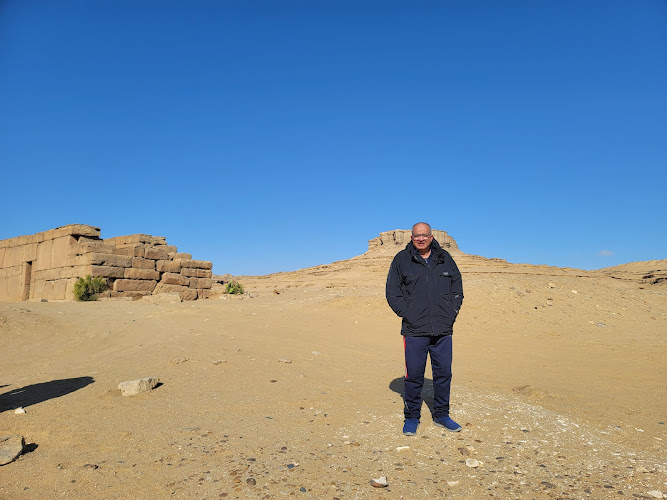
It’s not the kind of place that shouts for attention like the Pyramids or the temples of Luxor, yet it has this haunting presence that lingers in your mind long after you’ve left. Dedicated to Sobek, the ancient crocodile god of strength and fertility, this temple feels like stepping into a story that’s been waiting centuries for you to listen. You can almost imagine the priests of old tending to sacred crocodiles in the nearby waters, whispering prayers to keep the Nile’s blessings flowing.
What struck me most when I first visited was the silence—just the soft rustle of desert wind and the faint echo of your own footsteps on the ancient stone. The temple is partly in ruins, yes, but that’s part of its charm. The weathered carvings, some still showing the fierce snout of Sobek, offer a glimpse into a world where gods walked among men. It’s not polished or overly restored, which makes it feel real, raw, and beautifully authentic. And if you’re traveling with kids, they’ll love the crocodile connection—there’s something about the idea of a temple dedicated to such a powerful creature that sparks curiosity in young minds.
It’s a place that balances myth and history, serenity and mystery. Sure, it’s not the most grandiose temple in Egypt, but it doesn’t need to be. The Crocodile Temple has its own rhythm—a quiet confidence that rewards those who take the time to explore it slowly. You can almost sense that Sobek still watches over the waters nearby, his presence woven into the land itself.
Best Time to Visit
Egypt’s desert climate can be a bit of a challenge, so timing your visit makes all the difference. The best months to explore the Crocodile Temple are between October and April, when the weather is pleasantly warm rather than scorching. Mornings are ideal—cool, quiet, and perfect for wandering through the ruins before the midday sun takes over. If you’re into photography, aim for late afternoon when the light turns golden and the shadows stretch dramatically across the temple’s worn stones. It’s pure magic, honestly.
Summer is doable if you’re used to the heat, but you’ll want to bring plenty of water, sunscreen, and maybe a hat that won’t blow away in the desert wind (learned that one the hard way). The temple doesn’t have much shade, so plan accordingly. And if you happen to visit during one of the local festivals in Faiyum, you might catch traditional music or crafts nearby—small cultural touches that make the trip even more memorable.
How to Get There
Getting to the Crocodile Temple is part of the adventure. The temple sits in the Faiyum Governorate, about a couple of hours southwest of Cairo. The drive itself is scenic—passing through stretches of desert that seem endless, with occasional glimpses of palm groves and small villages. You can hire a private driver or join a local tour from Cairo or Faiyum city. If you’re the independent type, renting a car gives you the freedom to explore nearby attractions like Lake Qarun and the ancient city of Karanis.
Public transport options are limited, so it’s best not to rely on buses or trains for this one. A guided tour can be worth it, especially if you want a deeper understanding of the temple’s history and mythology. Guides often share fascinating tidbits about Sobek’s role in Egyptian cosmology—how he was both feared and revered, embodying the unpredictable nature of the Nile itself. And trust me, hearing those stories while standing among the ruins gives the place an entirely different energy.
Tips for Visiting
If you’re planning a trip, here are a few things I wish I’d known before my first visit:
- Bring water and snacks. There aren’t many facilities nearby, and the desert sun can be relentless.
- Wear comfortable shoes. The ground is uneven, and you’ll be doing a fair bit of walking.
- Hire a local guide. They can share stories and details that you won’t find on any signboard. Plus, it supports the local community.
- Go early or late. Avoid the midday heat and enjoy the best light for photos.
- Respect the site. It’s an ancient and sacred place, so tread lightly and avoid touching carvings or stones.
- Bring a sense of curiosity. This isn’t just about seeing ruins—it’s about feeling the layers of history beneath your feet.
One thing I always tell fellow travelers: don’t rush it. It’s tempting to tick off as many sites as possible when you’re exploring Egypt, but the Crocodile Temple rewards patience. Sit for a moment in the shade of a crumbling wall, listen to the wind, and imagine what life was like here thousands of years ago. It’s in those quiet moments that the magic of the place really hits you.
And here’s a fun little thought—Sobek, the crocodile god, was believed to protect against the dangers of the Nile. So, in a way, visiting his temple feels like paying respects to one of Egypt’s oldest guardians. Whether you’re a history buff, a mythology lover, or just someone who enjoys discovering places off the beaten path, the Crocodile Temple is worth the journey. It’s a reminder that beauty doesn’t always come in grand packages—sometimes it’s hidden in the quiet corners of the desert, waiting for you to find it.
 Real Journey Travels