Corpus Christi Museum of Science and History
About Corpus Christi Museum of Science and History
Description
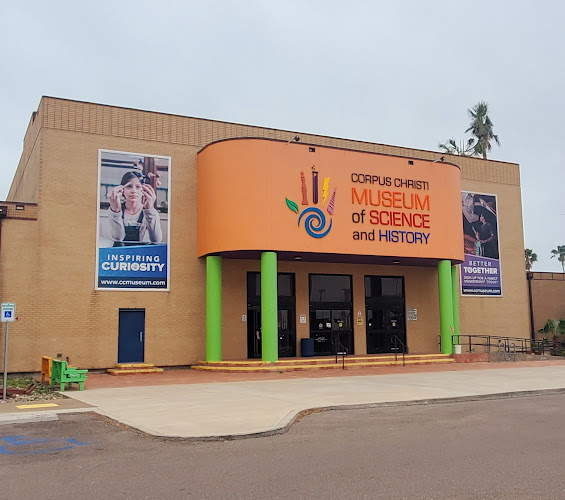
The Corpus Christi Museum of Science and History is one of those places that quietly surprises you. At first glance, it looks like a typical regional museum, but once inside, it’s clear that this place has a personality all its own. It’s not just about dusty artifacts behind glass cases—it’s about the stories those artifacts tell. The museum dives into the layered history of South Texas, from the early explorers and shipwrecks to the wild and wonderful ecosystems that define the Gulf Coast. And honestly, it’s hard not to feel a little awe when standing in front of a centuries-old Spanish shipwreck exhibit or seeing the intricate details of local indigenous craftsmanship up close.
What makes this museum stand out is how it mixes science and history in a way that feels natural. You might walk through a gallery about the region’s early settlers and then suddenly find yourself learning about the physics of wind energy, which is actually a big deal in this part of Texas. The exhibits aren’t static either—there’s a sense of movement and curiosity everywhere. Families with kids seem to love it because there’s plenty of hands-on learning, but adults will find themselves equally drawn in. It’s the kind of place where you can easily lose track of time without realizing it.
Now, not every corner is perfect—some displays could use a refresh, and a few exhibits feel a little dated—but that’s part of the charm. It feels authentic, like a living space that’s constantly evolving. And you can tell the staff genuinely care about keeping the museum engaging and accessible. The fact that it’s women-owned and proudly inclusive just adds to its welcoming atmosphere. Whether you’re a science enthusiast, a history buff, or just someone looking to escape the Texas heat for a few hours, this museum offers a thoughtful, well-rounded experience that reflects the spirit of Corpus Christi itself.
Key Features
- Permanent and rotating exhibits: Explore displays that cover local history, maritime heritage, cultural traditions, and natural science.
- Live performances and interactive demos: Science experiments and educational shows keep visitors engaged and entertained.
- Family-friendly environment: With hands-on exhibits and a dedicated children’s area, it’s perfect for curious young minds.
- Accessibility: Wheelchair-accessible entrances, restrooms, and seating areas ensure that everyone can enjoy the experience comfortably.
- On-site amenities: A cozy café, clean restrooms, and a charming gift shop make it easy to spend half a day here.
- Educational tours: Guided tours dive deeper into local history and science topics, ideal for school groups and travelers who like context.
- Active military discounts: A thoughtful touch that shows appreciation for service members and their families.
- Free parking: Convenient on-site parking makes visiting stress-free, especially if you’re traveling with kids or gear.
- Wi-Fi access: Great for those who like to share their discoveries in real-time or need to stay connected while exploring.
Best Time to Visit
If you’re planning a trip, the best time to visit the Corpus Christi Museum of Science and History is during the late fall through early spring months—roughly November to April. The weather in Corpus Christi can get pretty toasty in summer, and while the museum’s air conditioning is a blessing, it’s just nicer to explore the area when it’s not sweltering outside. Plus, those cooler months tend to bring fewer crowds, so you can take your time with the exhibits without feeling rushed.
Weekdays are usually quieter, especially in the mornings. I once stopped by on a Tuesday around 10 a.m., and it felt like I had the place almost to myself. On weekends, you’ll see more families, which adds a lively buzz but also means you might have to wait a bit for interactive stations. If you’re into photography, mornings are ideal—the natural light streaming through parts of the building adds a beautiful glow to the displays. And if you’re lucky, you might catch one of their special events or seasonal exhibits, which tend to pop up around holidays or during local festivals.
How to Get There
Getting to the museum is fairly straightforward. It’s located near the heart of Corpus Christi’s downtown area, close to the waterfront and other attractions like the Texas State Aquarium and the USS Lexington. Most visitors arrive by car since public transportation in the area is limited, but the good news is that there’s free on-site parking. If you’re staying downtown, it’s just a short drive or even a pleasant walk if the weather’s cooperating.
For those flying into Corpus Christi International Airport, the museum is about a 15- to 20-minute drive away. Rideshare services and taxis are easy to find, and some local hotels even offer shuttle services to nearby attractions. If you enjoy exploring on foot, you can pair your museum visit with a stroll along the bayfront or grab lunch at one of the local seafood spots nearby. Honestly, that’s what I did last time—spent the morning at the museum and then walked over to the marina for fish tacos. It made for a pretty perfect day.
Tips for Visiting
Here’s where a little insider knowledge can make your visit smoother. First off, give yourself at least two to three hours to explore. There’s more to see than you might expect, and you’ll want time to linger at the exhibits that catch your eye. If you’re traveling with kids, plan for breaks—there’s a small café on-site where you can grab a snack or coffee. And yes, the coffee’s actually decent, which isn’t always the case in museum cafés, right?
Since the museum is family-friendly, weekends can get busy, especially during school breaks. Arriving early helps you beat the rush. If accessibility is important to you, rest assured that the museum does a great job accommodating all visitors. Wheelchair rentals are available, and the staff are genuinely helpful if you need assistance. Also, don’t skip the gift shop—it’s surprisingly good, with locally inspired items and educational toys that make great souvenirs. I picked up a small fossil replica there once, and it still sits on my desk as a reminder of that trip.
Photography is generally allowed (without flash), so bring your camera or phone. The maritime exhibits, in particular, make for some striking shots. And here’s a small but useful tip: check their schedule before you go. The museum occasionally hosts live science demonstrations and special events, which can really enhance your experience. If you’re traveling with little ones, look for the children’s discovery area—it’s hands-on and keeps kids engaged while you explore the more detailed exhibits nearby.
Lastly, don’t rush. This isn’t the kind of museum you breeze through in an hour. Take your time reading the stories, watching the short films, and connecting the dots between science and history. That’s where the magic happens. Even if you’re not a big “museum person,” you might find yourself unexpectedly drawn in. I’ve visited a lot of museums across Texas, but this one stands out for its heart. It’s informative without being stuffy, educational without feeling like a lecture. It’s the kind of place that makes you walk out thinking a little differently about the world around you—and that’s always worth the trip.
Key Features
- Key Features
- Best Time to Visit
- How to Get There
- Tips for Visiting
More Details
Updated December 1, 2025
Table of Contents
- Description
- Key Features
- Best Time to Visit
- How to Get There
- Tips for Visiting
- Key Highlights
- Location
- Places to Stay Near Corpus Christi Museum of Science and History
- Find and Book a Tour
- Explore More Travel Guides
- Nearby Places You Might Like
- Traveler Reviews for Corpus Christi Museum of Science and History
- Share Your Experience
Description
The Corpus Christi Museum of Science and History is one of those places that quietly surprises you. At first glance, it looks like a typical regional museum, but once inside, it’s clear that this place has a personality all its own. It’s not just about dusty artifacts behind glass cases—it’s about the stories those artifacts tell. The museum dives into the layered history of South Texas, from the early explorers and shipwrecks to the wild and wonderful ecosystems that define the Gulf Coast. And honestly, it’s hard not to feel a little awe when standing in front of a centuries-old Spanish shipwreck exhibit or seeing the intricate details of local indigenous craftsmanship up close.
What makes this museum stand out is how it mixes science and history in a way that feels natural. You might walk through a gallery about the region’s early settlers and then suddenly find yourself learning about the physics of wind energy, which is actually a big deal in this part of Texas. The exhibits aren’t static either—there’s a sense of movement and curiosity everywhere. Families with kids seem to love it because there’s plenty of hands-on learning, but adults will find themselves equally drawn in. It’s the kind of place where you can easily lose track of time without realizing it.
Now, not every corner is perfect—some displays could use a refresh, and a few exhibits feel a little dated—but that’s part of the charm. It feels authentic, like a living space that’s constantly evolving. And you can tell the staff genuinely care about keeping the museum engaging and accessible. The fact that it’s women-owned and proudly inclusive just adds to its welcoming atmosphere. Whether you’re a science enthusiast, a history buff, or just someone looking to escape the Texas heat for a few hours, this museum offers a thoughtful, well-rounded experience that reflects the spirit of Corpus Christi itself.
Key Features
- Permanent and rotating exhibits: Explore displays that cover local history, maritime heritage, cultural traditions, and natural science.
- Live performances and interactive demos: Science experiments and educational shows keep visitors engaged and entertained.
- Family-friendly environment: With hands-on exhibits and a dedicated children’s area, it’s perfect for curious young minds.
- Accessibility: Wheelchair-accessible entrances, restrooms, and seating areas ensure that everyone can enjoy the experience comfortably.
- On-site amenities: A cozy café, clean restrooms, and a charming gift shop make it easy to spend half a day here.
- Educational tours: Guided tours dive deeper into local history and science topics, ideal for school groups and travelers who like context.
- Active military discounts: A thoughtful touch that shows appreciation for service members and their families.
- Free parking: Convenient on-site parking makes visiting stress-free, especially if you’re traveling with kids or gear.
- Wi-Fi access: Great for those who like to share their discoveries in real-time or need to stay connected while exploring.
Best Time to Visit
If you’re planning a trip, the best time to visit the Corpus Christi Museum of Science and History is during the late fall through early spring months—roughly November to April. The weather in Corpus Christi can get pretty toasty in summer, and while the museum’s air conditioning is a blessing, it’s just nicer to explore the area when it’s not sweltering outside. Plus, those cooler months tend to bring fewer crowds, so you can take your time with the exhibits without feeling rushed.
Weekdays are usually quieter, especially in the mornings. I once stopped by on a Tuesday around 10 a.m., and it felt like I had the place almost to myself. On weekends, you’ll see more families, which adds a lively buzz but also means you might have to wait a bit for interactive stations. If you’re into photography, mornings are ideal—the natural light streaming through parts of the building adds a beautiful glow to the displays. And if you’re lucky, you might catch one of their special events or seasonal exhibits, which tend to pop up around holidays or during local festivals.
How to Get There
Getting to the museum is fairly straightforward. It’s located near the heart of Corpus Christi’s downtown area, close to the waterfront and other attractions like the Texas State Aquarium and the USS Lexington. Most visitors arrive by car since public transportation in the area is limited, but the good news is that there’s free on-site parking. If you’re staying downtown, it’s just a short drive or even a pleasant walk if the weather’s cooperating.
For those flying into Corpus Christi International Airport, the museum is about a 15- to 20-minute drive away. Rideshare services and taxis are easy to find, and some local hotels even offer shuttle services to nearby attractions. If you enjoy exploring on foot, you can pair your museum visit with a stroll along the bayfront or grab lunch at one of the local seafood spots nearby. Honestly, that’s what I did last time—spent the morning at the museum and then walked over to the marina for fish tacos. It made for a pretty perfect day.
Tips for Visiting
Here’s where a little insider knowledge can make your visit smoother. First off, give yourself at least two to three hours to explore. There’s more to see than you might expect, and you’ll want time to linger at the exhibits that catch your eye. If you’re traveling with kids, plan for breaks—there’s a small café on-site where you can grab a snack or coffee. And yes, the coffee’s actually decent, which isn’t always the case in museum cafés, right?
Since the museum is family-friendly, weekends can get busy, especially during school breaks. Arriving early helps you beat the rush. If accessibility is important to you, rest assured that the museum does a great job accommodating all visitors. Wheelchair rentals are available, and the staff are genuinely helpful if you need assistance. Also, don’t skip the gift shop—it’s surprisingly good, with locally inspired items and educational toys that make great souvenirs. I picked up a small fossil replica there once, and it still sits on my desk as a reminder of that trip.
Photography is generally allowed (without flash), so bring your camera or phone. The maritime exhibits, in particular, make for some striking shots. And here’s a small but useful tip: check their schedule before you go. The museum occasionally hosts live science demonstrations and special events, which can really enhance your experience. If you’re traveling with little ones, look for the children’s discovery area—it’s hands-on and keeps kids engaged while you explore the more detailed exhibits nearby.
Lastly, don’t rush. This isn’t the kind of museum you breeze through in an hour. Take your time reading the stories, watching the short films, and connecting the dots between science and history. That’s where the magic happens. Even if you’re not a big “museum person,” you might find yourself unexpectedly drawn in. I’ve visited a lot of museums across Texas, but this one stands out for its heart. It’s informative without being stuffy, educational without feeling like a lecture. It’s the kind of place that makes you walk out thinking a little differently about the world around you—and that’s always worth the trip.

Key Highlights
- Key Features
- Best Time to Visit
- How to Get There
- Tips for Visiting
Location
Places to Stay Near Corpus Christi Museum of Science and History
Find and Book a Tour
Explore More Travel Guides
No reviews found! Be the first to review!
Traveler Reviews for Corpus Christi Museum of Science and History
There are no reviews yet. Be the first one to write one.
Have you visited Corpus Christi Museum of Science and History? Help other travelers by sharing your review.
Find Accommodations Nearby
Recommended Tours & Activities
Visitor Reviews
There are no reviews yet. Be the first one to write one.
Share Your Experience
Have you visited Corpus Christi Museum of Science and History? Help other travelers by leaving a review.