Description
Chiniot sits proudly along the Chenab River in Punjab, Pakistan, and honestly, it’s one of those places that doesn’t get nearly enough attention from travelers. While everyone’s rushing off to Lahore or heading north to the mountains, this city of remarkable craftsmen and stunning architecture quietly goes about preserving traditions that date back centuries. I remember first hearing about Chiniot from a friend who’d purchased some furniture there, and the way he described the workshops made me realize this wasn’t just another Pakistani city – it was something special.
The city serves as the administrative heart of Chiniot District and ranks as Pakistan’s 28th most populous urban center, but these numbers don’t really capture what makes the place tick. What you’ll find here is a living museum of sorts, where artisans still practice woodworking techniques their grandfathers’ grandfathers would recognize. The riverside location has shaped everything about Chiniot’s character, from its early trading history to the way neighborhoods sprawl along the Chenab’s curves.
Walking through Chiniot feels different than other Punjabi cities. There’s this tangible sense of pride in craftsmanship that permeates the narrow streets and bazaars. The mosques here aren’t just places of worship – they’re showcases of architectural ambition that rival anything you’ll see in much larger cities. And the wooden furniture industry isn’t some tourist trap novelty; it’s the genuine economic backbone of the community, employing thousands of skilled workers who create pieces that end up in homes across Pakistan and beyond.
Key Features
Chiniot offers visitors a unique glimpse into traditional Pakistani craftsmanship and Islamic architecture that you simply won’t find replicated elsewhere. Here’s what makes this city stand out:
- Furniture Workshops and Bazaars: The wooden furniture of Chiniot isn’t just famous in Pakistan – it’s legendary. Master craftsmen create intricate pieces using techniques passed down through generations, with detailed carvings and joinery work that modern machinery struggles to replicate. You can visit workshops where artisans work on everything from ornate bridal furniture to traditional doors with geometric patterns that’ll make your jaw drop.
- Shahi Mosque: This 17th-century architectural marvel showcases the Mughal influence on local design. The mosque’s intricate tile work, calligraphy, and overall construction demonstrate why Chiniot became known as a center of artistic excellence. It’s not the biggest mosque you’ll ever see, but the attention to detail is extraordinary.
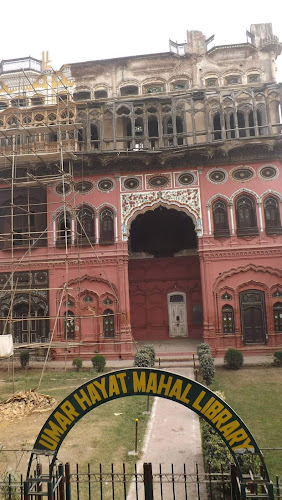
- Omar Hayat Mahal: This nineteenth-century palace represents some of the finest examples of Indo-Islamic architecture in Punjab. The building combines Islamic, Hindu, and Gothic architectural elements in ways that shouldn’t work but somehow create something beautiful. The frescoes and woodwork inside are worth the visit alone.
- Chenab Riverfront: The river isn’t just scenery – it’s been Chiniot’s lifeline for centuries. Walking along the banks gives you perspective on how the city developed and why this location became such an important trading center historically.
- Traditional Bazaars: The markets here sell everything from daily necessities to high-end furniture pieces. But more importantly, they give you an authentic look at how business has been conducted in this region for hundreds of years, with haggling still very much part of the shopping experience.
- Local Cuisine: Chiniot has developed its own culinary identity within Punjabi food culture. The local specialties reflect both the city’s prosperity and its trading history, with dishes that incorporate influences from across the region.
- Crafts Beyond Furniture: While wood gets all the attention, local artisans also work in metalwork, textiles, and pottery using traditional methods that are becoming increasingly rare in modernizing Pakistan.
Best Time to Visit
Let me be straight with you – timing your visit to Chiniot matters more than you might think. The city experiences the full force of Punjab’s continental climate, and trust me, summer here is no joke.
October through March represents your ideal window for visiting. During these months, temperatures stay comfortable enough for walking around workshops and exploring the old city without feeling like you’re melting into the pavement. November and February are particularly pleasant, with daytime temperatures hovering around 20-25 degrees Celsius. You’ll actually enjoy wandering through the furniture bazaars instead of rushing from one air-conditioned space to another.
Winter mornings in Chiniot can get surprisingly cool, especially near the river. I’d suggest bringing a light jacket for early starts, particularly if you want to catch the city waking up – which is genuinely worth doing. There’s something special about seeing the craftsmen opening their workshops at dawn, the smell of fresh tea mixing with sawdust in the air.
Spring, particularly March and early April, brings another advantage – the landscape around Chiniot greens up beautifully after winter rains. The riverbanks become more picturesque, and the city has a refreshed feeling about it.
Avoid May through September unless you have a specific reason to brave the heat. Temperatures regularly climb above 40 degrees Celsius, and the combination of heat and humidity from the river makes outdoor exploration genuinely unpleasant. The monsoon season, typically July and August, brings relief from heat but can make traveling around the region unpredictable with occasional flooding near the Chenab.
If you’re particularly interested in the furniture industry, consider visiting during wedding season (November to February), when workshops are working overtime to fulfill orders for bridal furniture. The activity level is incredible, and you’ll see the full range of what local craftsmen can produce.
How to Get There
Getting to Chiniot requires a bit more effort than reaching major Pakistani tourist destinations, but it’s not complicated once you understand the options.
By road from Lahore, you’re looking at roughly 130 kilometers, which sounds straightforward but typically takes around 2.5 to 3 hours depending on traffic and road conditions. The route via Faisalabad is most commonly used. You can hire a private car, take a bus from Lahore’s various terminals, or use the increasingly popular ride-sharing services that operate intercity routes. The road quality has improved significantly in recent years, making the journey much more comfortable than it used to be.
Faisalabad serves as the nearest major city and transportation hub, sitting about 35 kilometers from Chiniot. Many travelers find it easier to reach Faisalabad first – it has better connectivity with major cities and an airport – then cover the short distance to Chiniot by local transport or taxi. The Faisalabad to Chiniot road is well-maintained and the journey takes under an hour.
For those coming from Islamabad or Rawalpindi, you’re facing a longer haul of around 300 kilometers. The Motorway system makes the initial part of this journey smooth, but you’ll eventually need to exit onto provincial highways. Count on 4-5 hours of travel time.
Local transport within Chiniot consists mainly of rickshaws, motorcycle taxis, and Suzuki vans that run established routes through the city. Honestly, for visitors, hiring a rickshaw for a few hours tends to be the most practical solution. Drivers familiar with the city can take you to workshops and historical sites that you’d struggle to find on your own, and the cost is quite reasonable by any standard.
The nearest railway station is Chiniot Junction, which connects to Pakistan Railway’s main line. However, train schedules can be unreliable, and most travelers find road transport more dependable for reaching the city.
Tips for Visiting
Chiniot isn’t set up for international tourism the way Lahore or Islamabad are, and that’s actually part of its charm. But it also means you need to approach your visit with appropriate expectations and preparation.
First off, don’t expect English to be widely spoken outside of educated younger people and some shopkeepers who deal with customers from other regions. Learning a few basic Urdu or Punjabi phrases will make your experience significantly better. People here are genuinely hospitable, but there’s a communication barrier that you’ll need to navigate.
When visiting furniture workshops, going with someone who knows the industry helps tremendously. The workshop owners are proud of their craft and usually happy to show visitors around, but having an introduction or guide makes the difference between a superficial look and a real understanding of the processes involved. And if you’re actually in the market for furniture, bring cash – serious negotiations happen in rupees, not credit cards.
Dress conservatively. Chiniot is a traditional city, and while people are accustomed to visitors from other parts of Pakistan, revealing clothing will make you stand out uncomfortably and potentially limit where you’re welcomed. For women especially, covering shoulders and wearing loose pants or long skirts shows respect for local customs.
The heat, even in winter afternoons, can be more intense than you expect. Carry water with you constantly. The local shops sell bottled water, but having your own supply means you don’t need to worry about finding a store when you’re parched.
Photography requires some sensitivity. While historical buildings and general street scenes are fine, always ask permission before photographing people, especially women, and definitely before taking pictures inside workshops where proprietary techniques might be in use. Most craftsmen are proud to have their work photographed, but asking first is basic courtesy.
Bargaining is expected in the bazaars and even when commissioning furniture pieces. But there’s a difference between negotiating fairly and insulting artisans by lowballing on pieces that represent hours or days of skilled work. Start at about 60-70% of the asking price and work from there, but recognize that truly exceptional craftsmanship deserves fair compensation.
Food safety matters more in smaller cities where tourist infrastructure is limited. Stick to busy restaurants where turnover keeps food fresh, and be cautious with street food unless you’ve got an iron stomach. The local cuisine is delicious, but your digestive system might need time to adjust if you’re not accustomed to Pakistani food.
Banking facilities exist in Chiniot, but ATM availability is limited compared to major cities. Bring sufficient cash for your visit rather than assuming you can withdraw money easily. This is especially important if you’re planning to purchase furniture or crafts.
Plan more time than you think you’ll need. One of my biggest mistakes during my research on Chiniot was underestimating how long it takes to properly appreciate the craftsmanship on display. Watching a master carver work on an intricate pattern isn’t something to rush through. The whole point of visiting Chiniot is slowing down and appreciating skills that take decades to develop.
Finally, consider your visit’s purpose. Chiniot isn’t a place you stop for an hour on the way to somewhere else. It rewards travelers who allocate at least a full day, preferably two, to really understand what makes the city special. The historical architecture, the workshops, the riverside atmosphere – these things reveal themselves gradually, not in a rushed tour hitting highlights.
The city doesn’t have extensive hotel infrastructure, so many visitors base themselves in Faisalabad and make day trips. But if you can find accommodation in Chiniot itself, staying overnight gives you a much better feel for the place, especially in the early morning and evening when the city shows different aspects of its character.