
Chichicastenango
About Chichicastenango
Key Features
- Large traditional open-air market (especially Thursdays and Sundays)
- Santo Tomás Church — site of syncretic Maya-Catholic rituals
- Vivid handwoven textiles and traditional dress
- Wooden masks, ceramics and artisanal crafts
- Highland setting with nearby K’iche’ communities and cultural immersion
More Details
Updated April 16, 2024
STREET MARKET selling traditional TEXTILES in front of SANTO TOMAS …
## Chichicastenango, Guatemala: Inside the Highlands’ Most Iconic Maya Market Town
Chichicastenango—often shortened to “Chichi”—is a K’iche’ Maya town in Guatemala’s western highlands, about 140 km northwest of Guatemala City in the department of El Quiché. It sits a little over 2,000 meters above sea level, surrounded by valleys and mountain ridges, which means cool air, strong sun, and a very different feel from the country’s lowland regions.
Twice a week, Chichicastenango transforms into one of the most famous Maya markets in Central America, drawing traders from surrounding villages and curious travelers from Antigua, Lake Atitlán, and beyond. Travel Tips, Guides and Tours
This guide breaks down how to visit Chichi thoughtfully—what to expect at the market, how to navigate key sacred sites like Santo Tomás Church and Pascual Abaj, and practical tips that go beyond the usual “come on market day” advice.
—
## Why Chichicastenango Matters
### A living K’iche’ Maya town, not just a “market stop”
Chichicastenango is majority Indigenous; various sources estimate that well over 90% of residents are K’iche’ Maya. & Pixels
That matters for how you move through town:
– K’iche’ is widely spoken alongside Spanish. You’ll hear multiple languages in the market lanes.
– Traditional dress is everyday clothing, not performance; the elaborate huipiles (blouses), cortes (skirts), and tzutes (shawls) are cultural identity, not just souvenirs.
– Syncretic spirituality shapes daily life. Catholic and Maya practices are intertwined, especially around Santo Tomás Church and nearby shrines.
If you’re used to “tourist markets,” Chichi feels different. It’s a working trading hub first, a travel “attraction” second.
—
## The Chichicastenango Market: How It Actually Works
### Market days and timing
The Chichicastenango market runs twice a week, on Thursdays and Sundays, with Sunday typically the larger and more crowded of the two days. Travel Tips, Guides and Tours
– Best time to go: early morning (around 8–10 a.m.) for softer light, fewer crowds, and first pick of textiles and handicrafts. Avenue
– Core hours: roughly 8 a.m. to late afternoon; by early evening most vendors are packing up. Avenue
If your Guatemala route is flexible, plan your entire highlands itinerary so at least one Thursday or Sunday lands in Chichi.
### What you’ll find in the market
The market sprawls across the main plaza and side streets, wrapping around Santo Tomás Church and filling nearly every usable patch of pavement. The Ordinary
Common sections include:
– Textiles: huipiles, rebozos, shawls, table runners, ikat blankets, and ceremonial-style pieces. Chichi is especially known for complex embroidery and backstrap-loom weaving. & Pixels
– Masks: brightly painted wooden masks used in traditional dances, often representing animals, conquistadors, and saints. Nivel
– Ceramics and woodwork: bowls, vases, candleholders, carved animals, and small furniture pieces.
– Everyday goods: produce, meats, flowers, incense, kitchenware, and cheap imports—the reminder that this is, above all, a local market.
Many stalls are run by women who have woven or embroidered the pieces themselves, or by families representing cooperatives from nearby villages.
### How to shop ethically and respectfully
A few practical, on-the-ground tips that travelers often learn too late:
– Ask about origin and technique. Questions such as “Is this backstrap-woven?” or “Which community made this pattern?” show respect and help you distinguish artisan work from factory imports.
– Expect to bargain—but don’t lowball. Haggling is normal, but ultra-aggressive bargaining over already modest prices can undermine livelihoods. Aim for a friendly middle ground.
– Pay cash, small bills if possible. Card acceptance is limited and subject to outages; cash is still king in the highlands.
– Be careful with photography. Many vendors and elders are uncomfortable being photographed, and some consider it spiritually sensitive. Ask before taking portraits; zoom in on details (textiles, masks) rather than faces if people decline.
—
## Santo Tomás Church: A Sacred Staircase
The Iglesia de Santo Tomás is one of the most important sites in Chichicastenango. Built in the mid-16th century on top of a pre-Columbian Maya temple platform, it’s a rare place where Catholic and Maya practices visibly coexist.
Key details:
– 18 stone steps lead up to the entrance. These are widely associated with the 18 months of the Maya solar calendar.
– Incense and candles are burned on the steps and inside the church by K’iche’ spiritual guides performing rituals, sometimes right alongside Catholic prayers and Mass.
– The church is located directly in the main plaza, effectively forming part of the market itself; flower vendors often line the steps.
Etiquette inside Santo Tomás Church
– Dress modestly (shoulders and knees covered is a good baseline).
– Keep voices low, phones silent, and avoid flash photography; in many cases, photography is not permitted inside.
– If you witness a ceremony, treat it as worship, not performance—no intrusive close-ups, no standing over people.
—
## Pascual Abaj & Other Ceremonial Sites
Just outside town lies Pascual Abaj, an important carved stone shrine where Maya priests conduct rituals with offerings, incense, and candles.
– It’s often visited with a local guide who can help you arrive at the right time and avoid disrupting ceremonies.
– The site is still used primarily by local communities, not as a staged show. Watching from a respectful distance is crucial.
If you’re interested in Indigenous spirituality, prioritize a guide who is either a practitioner or works closely with local elders and can explain what you’re witnessing without sensationalizing it.
—
## Festivals: The December Fiesta de Santo Tomás
Each mid-December, Chichi hosts the Fiesta de Santo Tomás, one of Guatemala’s most famous highland festivals.
Expect:
– Days of processions, fireworks, and dance performances.
– The “palo volador” ritual, where participants swing from a tall pole—high-risk and deeply symbolic.
– Even more intense crowds than normal market days, with limited accommodation availability.
If you plan to visit during the festival, book lodging and transport well in advance and be prepared for sensory overload (noise, smoke, fireworks at odd hours).
> Note on change: Festival schedules, security measures, and crowd-control policies can shift year to year, so confirm dates and current conditions with a recent local source or tour operator before you lock in plans.
—
## Practical Travel Tips for Chichicastenango
### Getting there
Chichicastenango is commonly visited as a day trip from Antigua or Lake Atitlán, or as a stop on a broader western highlands itinerary.
– Travel time is typically around 2–3 hours by road from Antigua or from the Lake Atitlán area (depending on traffic, road conditions, and starting point).
– Most visitors use:
– Shuttle services or organized tours on market days.
– Private drivers for more flexibility and safer timing (especially if leaving or arriving in the dark).
Road safety, crime patterns, and recommended routes in Guatemala can change; before you travel, check the latest advice from your government’s travel advisory plus a local operator with recent on-the-ground knowledge. Avenue
### Where to stay
A lot of travelers visit Chichi as a same-day excursion, but there are clear benefits to staying overnight at least once:
– You can explore the market in the early morning and late afternoon when big tour groups thin out. Avenue
– You’ll see more of daily life—local shops, comedores, and quieter side streets beyond the central plaza.
Accommodation in Chichi ranges from basic guesthouses to mid-range hotels; for higher-end stays many travelers base themselves in Antigua or around Lake Atitlán and come in just for the day. Avenue
(Editorial suggestion: this section naturally supports internal links to your existing Lake Atitlán and Antigua Guatemala guides, as many readers will be stringing these destinations together.)
### Altitude, climate & packing
At roughly 2,000+ meters in elevation, days can be sunny and warm in the market, while mornings and evenings get chilly.
Smart packing includes:
– Light layers you can add or remove through the day.
– A hat and sunscreen; UV can be strong at this altitude.
– Comfortable shoes with grip for cobblestones and the Santo Tomás steps.
– A small daypack worn in front or with lockable zippers in crowded areas.
If you’re sensitive to altitude, give yourself an easy first day in the highlands—hydration, minimal alcohol, and slow walking can help.
### Safety and common-sense precautions
Most visitors experience Chichicastenango without serious issues, but it is a crowded market town with typical travel risks:
– Pickpocketing and bag-snatching are possible in dense crowds; keep valuables close and minimal. Avenue
– Avoid flashing large amounts of cash, big cameras, or expensive jewelry.
– Stick to well-lit areas and known routes after dark; many travelers prefer traveling in daylight only.
– Consider traveling with a reputable operator on your first visit; they can handle logistics and advise on current conditions. Avenue
Because crime patterns and road security can shift, always cross-check recent traveler reports and local guidance; if those contradict older blog posts, trust the latest, well-sourced information.
—
## Suggested Pairings & Internal-Link Opportunities
From an itinerary perspective, Chichicastenango works perfectly as a cultural anchor within a broader Guatemala route:
– Many travelers combine it with Lake Atitlán (for volcanic scenery and lakeside villages) and Antigua (for colonial architecture, cafes, and volcano hikes). Avenue
Table of Contents
Key Highlights
- Large traditional open-air market (especially Thursdays and Sundays)
- Santo Tomás Church — site of syncretic Maya-Catholic rituals
- Vivid handwoven textiles and traditional dress
- Wooden masks, ceramics and artisanal crafts
- Highland setting with nearby K’iche’ communities and cultural immersion
Location
Places to Stay Near Chichicastenango
Find and Book a Tour
Explore More Travel Guides
No reviews found! Be the first to review!
Traveler Reviews for Chichicastenango
There are no reviews yet. Be the first one to write one.
Have you visited Chichicastenango? Help other travelers by sharing your review.
Nearby Attractions
You Might Also Like
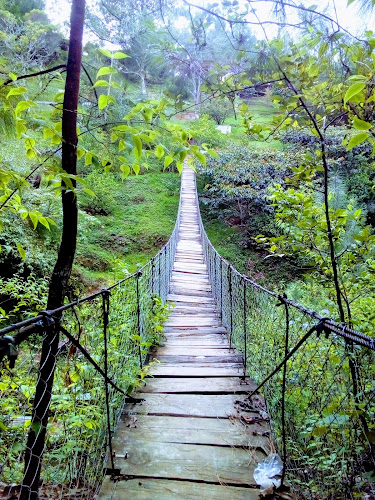
los senderos del abuelo Ecological Park
Centro Historico Chichicastenango
Casa Diego Ignacio
Find Accommodations Nearby
Recommended Tours & Activities
Visitor Reviews
There are no reviews yet. Be the first one to write one.
Share Your Experience
Have you visited Chichicastenango? Help other travelers by leaving a review.