About CEPTUR | Centro de Exposición y Promoción Turística

Description

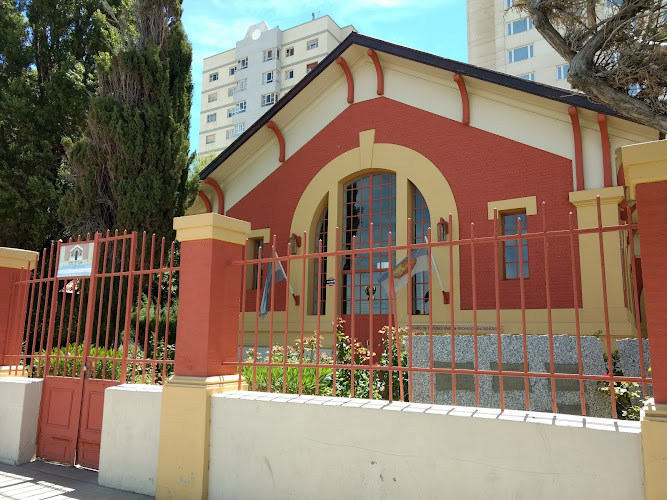
CEPTUR, known fully as the Centro de Exposición y Promoción Turística, stands as one of those places that quietly surprises you. It’s not the kind of museum that shouts for attention with flashy billboards or massive crowds. Instead, it has this grounded, authentic feel—like it truly belongs to the city and its people. Located in the heart of Comodoro Rivadavia, this cultural hub reflects the city’s deep connection with Patagonia’s history, its hardworking spirit, and its evolving identity as a gateway to the southern landscapes of Argentina.

Walking into CEPTUR feels like stepping into a story that’s part local pride, part exploration. The exhibitions showcase everything from the region’s oil heritage to its natural wonders and cultural traditions. You might find yourself face-to-face with beautifully curated displays about the early settlers, the growth of the petroleum industry, or the breathtaking geography of Chubut. It’s not a massive museum, but that’s actually part of its charm—you can take your time, wander at your own pace, and really absorb what’s in front of you without feeling rushed.

What I personally love about CEPTUR is that it’s more than just a museum; it’s a meeting point for travelers, locals, and curious minds. There’s a sense of community here. You’ll often see school groups giggling their way through the exhibits or families stopping by on a weekend stroll. It’s accessible, too—wheelchair-friendly entrances, restrooms, and parking make it easy for everyone to enjoy. And though there isn’t a restaurant inside, the surrounding area has plenty of small cafés where you can grab a coffee afterward and reflect on what you’ve seen. That’s what I usually do—sit down, sip something warm, and just watch the city go by.

CEPTUR doesn’t try to be overly polished or pretentious. It’s honest. Some of the displays might look a bit old-fashioned, but they tell real stories. And that authenticity is rare these days. It’s the kind of place that rewards curiosity—you’ll walk out knowing a bit more about Comodoro Rivadavia and feeling a bit more connected to Patagonia’s pulse.

Key Features

  • Cultural Exhibits: Showcases the history, economy, and traditions of Comodoro Rivadavia and the broader Patagonian region.
  • Tourist Information Center: Offers guidance, maps, and local insights to help travelers plan their adventures across Chubut and beyond.
  • Event Space: Hosts cultural events, art exhibitions, and community gatherings throughout the year.
  • Accessibility: Fully equipped with wheelchair-accessible entrances, parking spaces, and restrooms.
  • Family-Friendly: Welcomes children and offers educational experiences suitable for all ages.
  • Convenient Location: Situated close to major city landmarks, making it easy to include in a day of sightseeing.
  • Local Tourism Promotion: Acts as a central hub for promoting regional attractions and supporting sustainable tourism.

What’s especially nice is how the staff treat visitors—they’re approachable, genuinely eager to share stories, and often go out of their way to answer questions. You can sense that they care about what they do, which makes a huge difference. And if you’re the kind of traveler who likes collecting small details about a place, CEPTUR gives you plenty to take in: the architecture, the local art pieces, even the little souvenirs that capture the essence of Patagonia’s rugged beauty.

Best Time to Visit

Honestly, there’s no bad time to visit CEPTUR, but if you want to make the most of your trip, consider coming between late spring and early autumn (roughly November to March). The weather in Comodoro Rivadavia is milder then, which makes exploring the city before or after your museum visit a lot more pleasant. The daylight lasts longer, and the coastal winds aren’t quite as fierce as they can be in winter.

During these months, the museum often hosts seasonal exhibitions or tourism events that highlight local crafts and destinations. I once visited in December, and there was this lovely display of Patagonian artisan work—handmade textiles, wood carvings, and even a small performance by local musicians. It wasn’t grand or overly produced, but it felt real and heartfelt. That’s the kind of experience that sticks with you.

Winter visits can be cozy too, especially if you’re escaping the cold outside. The museum offers a quiet refuge from the wind, and there’s something about browsing exhibits while hearing the faint hum of the city outside that feels comforting. So really, it depends on your travel style. If you prefer lively events, go in summer. If you like calm, introspective moments, winter might be your season.

How to Get There

Getting to CEPTUR is pretty straightforward, especially if you’re already exploring central Comodoro Rivadavia. The museum sits in a well-connected area, easily reachable by public transport, taxi, or even on foot if you’re staying nearby. Most locals will know exactly where it is—just mention CEPTUR, and you’ll get directions with a friendly smile and maybe even a few personal recommendations for what to see nearby.

If you’re driving, parking isn’t too much of a headache. There’s accessible parking available, and the surrounding streets usually have space if you’re patient. I’ve found that mornings are the best time to arrive—less traffic, fewer crowds, and a bit more breathing room to enjoy the exhibits at your own pace. Public buses also pass close by, and if you’re a fan of walking, the area is quite pedestrian-friendly. You’ll likely pass by a few local landmarks and cafés along the way, which adds to the experience.

For travelers coming from outside the city, Comodoro Rivadavia’s airport is only a short drive away, making CEPTUR a great first stop after landing. It’s a perfect place to get your bearings, pick up some local maps, and learn a bit about the region before heading off to explore Patagonia’s wilder corners.

Tips for Visiting

Here’s the thing—CEPTUR might not be on every tourist’s radar, but that’s exactly why it’s worth visiting. To make your trip smoother and more enjoyable, here are a few tips I’ve picked up along the way:

  • Go early in the day: It’s quieter, and you’ll have more time to chat with staff or browse exhibits without rushing.
  • Bring a light jacket: Even if it’s sunny outside, the Patagonian wind can surprise you when you step out.
  • Ask questions: The staff are a goldmine of local knowledge. They can point you toward lesser-known attractions or events happening nearby.
  • Combine your visit: CEPTUR pairs nicely with a stroll through the city center or a stop at the nearby coastal viewpoints.
  • Check for temporary exhibits: They often rotate displays, so you might catch something unique depending on the season.
  • Bring kids along: It’s an educational and engaging experience for families. The museum’s approachable layout makes it easy to explore with children.
  • Accessibility matters: If you or someone in your group has mobility needs, rest assured—CEPTUR is well-equipped with ramps and accessible facilities.

One thing I’d suggest—don’t rush through it. It’s tempting to breeze past the information panels, but take a moment to really read them. The stories behind Patagonia’s development, its industries, and its people are fascinating. You’ll come away with a deeper appreciation for how this rugged region has shaped Argentina’s identity.

And after your visit, grab a coffee or snack nearby. There’s something satisfying about sitting down afterward and reflecting on what you’ve just learned. Maybe that’s just me being sentimental, but that’s part of traveling, isn’t it? Finding meaning in small, quiet moments between all the big adventures.

In the end, CEPTUR isn’t just a museum—it’s a doorway into understanding Comodoro Rivadavia’s soul. It’s where history, tourism, and community meet. Whether you’re a curious traveler passing through or someone who loves discovering the cultural heartbeat of a place, CEPTUR offers exactly that. It’s worth an hour, or two, or however long you want to linger. Because sometimes, the most memorable parts of a trip aren’t the grand landmarks—they’re the places that quietly tell the story of where you are.

Key Features

  • Key Features
  • Best Time to Visit
  • How to Get There
  • Tips for Visiting

More Details

Updated November 7, 2025

Description

CEPTUR, known fully as the Centro de Exposición y Promoción Turística, stands as one of those places that quietly surprises you. It’s not the kind of museum that shouts for attention with flashy billboards or massive crowds. Instead, it has this grounded, authentic feel—like it truly belongs to the city and its people. Located in the heart of Comodoro Rivadavia, this cultural hub reflects the city’s deep connection with Patagonia’s history, its hardworking spirit, and its evolving identity as a gateway to the southern landscapes of Argentina.

Walking into CEPTUR feels like stepping into a story that’s part local pride, part exploration. The exhibitions showcase everything from the region’s oil heritage to its natural wonders and cultural traditions. You might find yourself face-to-face with beautifully curated displays about the early settlers, the growth of the petroleum industry, or the breathtaking geography of Chubut. It’s not a massive museum, but that’s actually part of its charm—you can take your time, wander at your own pace, and really absorb what’s in front of you without feeling rushed.

What I personally love about CEPTUR is that it’s more than just a museum; it’s a meeting point for travelers, locals, and curious minds. There’s a sense of community here. You’ll often see school groups giggling their way through the exhibits or families stopping by on a weekend stroll. It’s accessible, too—wheelchair-friendly entrances, restrooms, and parking make it easy for everyone to enjoy. And though there isn’t a restaurant inside, the surrounding area has plenty of small cafés where you can grab a coffee afterward and reflect on what you’ve seen. That’s what I usually do—sit down, sip something warm, and just watch the city go by.

CEPTUR doesn’t try to be overly polished or pretentious. It’s honest. Some of the displays might look a bit old-fashioned, but they tell real stories. And that authenticity is rare these days. It’s the kind of place that rewards curiosity—you’ll walk out knowing a bit more about Comodoro Rivadavia and feeling a bit more connected to Patagonia’s pulse.

Key Features

  • Cultural Exhibits: Showcases the history, economy, and traditions of Comodoro Rivadavia and the broader Patagonian region.
  • Tourist Information Center: Offers guidance, maps, and local insights to help travelers plan their adventures across Chubut and beyond.
  • Event Space: Hosts cultural events, art exhibitions, and community gatherings throughout the year.
  • Accessibility: Fully equipped with wheelchair-accessible entrances, parking spaces, and restrooms.
  • Family-Friendly: Welcomes children and offers educational experiences suitable for all ages.
  • Convenient Location: Situated close to major city landmarks, making it easy to include in a day of sightseeing.
  • Local Tourism Promotion: Acts as a central hub for promoting regional attractions and supporting sustainable tourism.

What’s especially nice is how the staff treat visitors—they’re approachable, genuinely eager to share stories, and often go out of their way to answer questions. You can sense that they care about what they do, which makes a huge difference. And if you’re the kind of traveler who likes collecting small details about a place, CEPTUR gives you plenty to take in: the architecture, the local art pieces, even the little souvenirs that capture the essence of Patagonia’s rugged beauty.

Best Time to Visit

Honestly, there’s no bad time to visit CEPTUR, but if you want to make the most of your trip, consider coming between late spring and early autumn (roughly November to March). The weather in Comodoro Rivadavia is milder then, which makes exploring the city before or after your museum visit a lot more pleasant. The daylight lasts longer, and the coastal winds aren’t quite as fierce as they can be in winter.

During these months, the museum often hosts seasonal exhibitions or tourism events that highlight local crafts and destinations. I once visited in December, and there was this lovely display of Patagonian artisan work—handmade textiles, wood carvings, and even a small performance by local musicians. It wasn’t grand or overly produced, but it felt real and heartfelt. That’s the kind of experience that sticks with you.

Winter visits can be cozy too, especially if you’re escaping the cold outside. The museum offers a quiet refuge from the wind, and there’s something about browsing exhibits while hearing the faint hum of the city outside that feels comforting. So really, it depends on your travel style. If you prefer lively events, go in summer. If you like calm, introspective moments, winter might be your season.

How to Get There

Getting to CEPTUR is pretty straightforward, especially if you’re already exploring central Comodoro Rivadavia. The museum sits in a well-connected area, easily reachable by public transport, taxi, or even on foot if you’re staying nearby. Most locals will know exactly where it is—just mention CEPTUR, and you’ll get directions with a friendly smile and maybe even a few personal recommendations for what to see nearby.

If you’re driving, parking isn’t too much of a headache. There’s accessible parking available, and the surrounding streets usually have space if you’re patient. I’ve found that mornings are the best time to arrive—less traffic, fewer crowds, and a bit more breathing room to enjoy the exhibits at your own pace. Public buses also pass close by, and if you’re a fan of walking, the area is quite pedestrian-friendly. You’ll likely pass by a few local landmarks and cafés along the way, which adds to the experience.

For travelers coming from outside the city, Comodoro Rivadavia’s airport is only a short drive away, making CEPTUR a great first stop after landing. It’s a perfect place to get your bearings, pick up some local maps, and learn a bit about the region before heading off to explore Patagonia’s wilder corners.

Tips for Visiting

Here’s the thing—CEPTUR might not be on every tourist’s radar, but that’s exactly why it’s worth visiting. To make your trip smoother and more enjoyable, here are a few tips I’ve picked up along the way:

  • Go early in the day: It’s quieter, and you’ll have more time to chat with staff or browse exhibits without rushing.
  • Bring a light jacket: Even if it’s sunny outside, the Patagonian wind can surprise you when you step out.
  • Ask questions: The staff are a goldmine of local knowledge. They can point you toward lesser-known attractions or events happening nearby.
  • Combine your visit: CEPTUR pairs nicely with a stroll through the city center or a stop at the nearby coastal viewpoints.
  • Check for temporary exhibits: They often rotate displays, so you might catch something unique depending on the season.
  • Bring kids along: It’s an educational and engaging experience for families. The museum’s approachable layout makes it easy to explore with children.
  • Accessibility matters: If you or someone in your group has mobility needs, rest assured—CEPTUR is well-equipped with ramps and accessible facilities.

One thing I’d suggest—don’t rush through it. It’s tempting to breeze past the information panels, but take a moment to really read them. The stories behind Patagonia’s development, its industries, and its people are fascinating. You’ll come away with a deeper appreciation for how this rugged region has shaped Argentina’s identity.

And after your visit, grab a coffee or snack nearby. There’s something satisfying about sitting down afterward and reflecting on what you’ve just learned. Maybe that’s just me being sentimental, but that’s part of traveling, isn’t it? Finding meaning in small, quiet moments between all the big adventures.

In the end, CEPTUR isn’t just a museum—it’s a doorway into understanding Comodoro Rivadavia’s soul. It’s where history, tourism, and community meet. Whether you’re a curious traveler passing through or someone who loves discovering the cultural heartbeat of a place, CEPTUR offers exactly that. It’s worth an hour, or two, or however long you want to linger. Because sometimes, the most memorable parts of a trip aren’t the grand landmarks—they’re the places that quietly tell the story of where you are.

Key Highlights

  • Key Features
  • Best Time to Visit
  • How to Get There
  • Tips for Visiting

Location

Places to Stay Near CEPTUR | Centro de Exposición y Promoción Turística

Find and Book a Tour

Explore More Travel Guides

No reviews found! Be the first to review!

Traveler Reviews for CEPTUR | Centro de Exposición y Promoción Turística

There are no reviews yet. Be the first one to write one.

Share Your Experience

Have you visited CEPTUR | Centro de Exposición y Promoción Turística? Help other travelers by sharing your review.

Find Accommodations Nearby

Recommended Tours & Activities

Visitor Reviews

There are no reviews yet. Be the first one to write one.

Share Your Experience

Have you visited CEPTUR | Centro de Exposición y Promoción Turística? Help other travelers by leaving a review.