Description
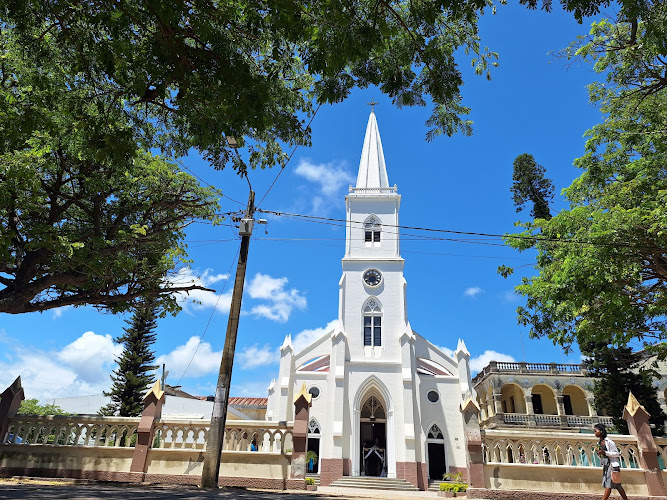
The Cathedral of Beira stands as one of Mozambique’s most remarkable architectural treasures, offering visitors a glimpse into the country’s colonial past while serving as an active center of worship for the local Catholic community. This imposing structure has weathered decades of change, including periods of civil unrest and natural disasters, yet it continues to draw travelers from across the globe who seek to understand the complex tapestry of Mozambican history and culture.
When I first encountered this cathedral during my travels through East Africa, I wasn’t quite prepared for the emotional impact it would have. There’s something about standing before a building that’s witnessed so much history—both beautiful and tragic—that makes you feel incredibly small yet strangely connected to something larger. The cathedral doesn’t shout for attention like some of Europe’s grander basilicas might, but it commands respect through its quiet dignity and the stories embedded in its walls.
What makes this cathedral particularly special is how it represents the intersection of Portuguese colonial influence and African resilience. The architecture reflects European design sensibilities adapted to the tropical climate of Mozambique’s second-largest city. And while some might view colonial-era structures with mixed feelings—which is totally understandable given the complicated history—the Cathedral of Beira has evolved into a symbol of cultural identity for many local residents who have reclaimed and repurposed this space for their own spiritual journey.
The building has faced its share of challenges over the years, from cyclones that have battered Beira’s coastline to the general wear and tear that comes with a tropical environment. But restoration efforts have helped preserve this important landmark for future generations. Visitors often remark on the sense of peace that pervades the interior, a stark contrast to the busy streets outside where daily life in Beira unfolds with all its energy and complexity.
Key Features
The Cathedral of Beira offers several distinctive characteristics that make it worth including on any Mozambique itinerary:
• Architectural design that blends Portuguese colonial style with practical adaptations for the tropical climate, featuring high ceilings that promote air circulation and thick walls that provide insulation from the heat
• Wheelchair accessible facilities including entrance, parking areas, and restrooms, making it one of the more inclusive religious sites in the region for travelers with mobility considerations
• Active place of worship where visitors can observe or participate in Catholic services conducted in Portuguese and local languages, providing authentic cultural immersion
• Historical significance as a survivor of Mozambique’s civil war period and various natural disasters, bearing witness to the resilience of Beira’s community
• Relatively peaceful atmosphere compared to tourist-heavy cathedrals in other countries, allowing for genuine reflection and photography without massive crowds
• Available restroom facilities, which believe me, is more valuable than you might think when exploring this part of Beira where public amenities can be scarce
• Location that serves as a useful orientation point for exploring other historical sites and neighborhoods in central Beira
• Opportunities to interact with local parishioners who often welcome respectful visitors and may share stories about the cathedral’s role in community life
Best Time to Visit
Timing your visit to the Cathedral of Beira requires considering both weather patterns and the rhythm of religious life. Mozambique’s dry season, running from May through October, offers the most comfortable conditions for travelers. During these months, you’ll encounter less humidity and minimal rainfall, making the walk to the cathedral and exploration of surrounding areas much more pleasant. The temperatures remain warm but manageable, especially in the mornings and late afternoons.
I’d personally recommend visiting during the shoulder months of May or September when tourist numbers are lower and the weather is particularly agreeable. June through August can get surprisingly cool by Mozambican standards—though still warm by many travelers’ measurements—and you might even want a light jacket for early morning visits.
If you’re interested in experiencing the cathedral during religious services, Sunday mornings offer the most active atmosphere. The main Mass typically draws a substantial congregation, and there’s something genuinely moving about hearing hymns sung in multiple languages while surrounded by locals dressed in their finest clothes. Just be mindful that photography during services should be kept to a minimum out of respect for worshippers.
The cathedral is generally open to visitors throughout the week, but weekday mornings between 9 AM and 11 AM tend to be quieter if you prefer a more contemplative experience. Avoid visiting during the hottest part of the day (roughly noon to 3 PM) when the intense sun makes any outdoor walking uncomfortable, and you’ll appreciate the cooler interior temperatures more during these off-peak hours.
Cyclone season runs from November through April, and Beira is particularly vulnerable to these storms. While you certainly can visit during these months, be prepared for potential disruptions, heavy rains, and the possibility that the cathedral might be closed for repairs or safety reasons following severe weather events. I learned this the hard way during a March trip when my carefully planned itinerary got completely upended by tropical weather.
How to Get There
Getting to the Cathedral of Beira requires some planning, as the city itself isn’t as straightforward to reach as Mozambique’s capital, Maputo. Most international visitors will fly into Beira Airport, which receives regular flights from Maputo and occasional international connections from neighboring countries. From the airport, the cathedral is located in the central part of the city, and you’ve got several transportation options.
Taxis are readily available at the airport, though I’d strongly recommend arranging your transportation through your accommodation in advance to avoid inflated tourist prices. The ride to the cathedral area shouldn’t take more than 15-20 minutes depending on traffic, and having your driver wait or arranging a pickup time is wise since hailing cabs on the street can be hit or miss.
If you’re already staying in central Beira, the cathedral is often within walking distance of many hotels and guesthouses, though you’ll want to assess the safety and practicality of walking based on your specific location and the time of day. The accessible parking lot makes it convenient for those who’ve rented a vehicle, which can be a good option for travelers who want flexibility in exploring Beira and surrounding areas at their own pace.
For the more adventurous and budget-conscious, local minibuses called “chapas” traverse the city, but they require some familiarity with the routes and Portuguese language skills. Unless you’re an experienced traveler comfortable with local transport systems, this might add unnecessary stress to your visit.
The cathedral’s central location means it serves as a good landmark for navigation. Most taxi drivers and locals know it well, so even if you get a bit turned around exploring the city, asking for directions to “a catedral” will usually get you pointed in the right direction. And honestly, getting a little lost in Beira isn’t the worst thing—some of my best travel memories come from unexpected detours.
Tips for Visiting
Visiting the Cathedral of Beira comes with some practical considerations that’ll make your experience smoother and more respectful. First and foremost, dress modestly. This is an active place of worship, not just a tourist attraction, so shoulders and knees should be covered. I’ve seen visitors turned away for inappropriate clothing, and it’s easily avoidable with a little planning. Lightweight, breathable fabrics work best in Beira’s climate while still meeting modesty requirements.
Bring small denominations of local currency (Mozambican meticais) if you’d like to make a donation or light a candle. The cathedral relies partly on these contributions for maintenance, and it’s a meaningful way to support preservation efforts. Credit cards aren’t accepted for donations, and breaking large bills can be challenging in this setting.
Photography is generally permitted, but always ask permission before photographing people, especially those who are praying. I’ve found that a respectful nod or gesture toward your camera with a questioning expression usually communicates your intention clearly even if you don’t speak Portuguese. Flash photography during services is a definite no-go, so adjust your camera settings accordingly or visit during daylight hours when natural light streams through the windows.
The wheelchair accessible facilities are genuinely functional, which unfortunately isn’t always the case at historical sites in this region. However, the surrounding streets can be uneven and challenging to navigate, so visitors with mobility concerns should plan their route carefully and consider arranging door-to-door transportation.
Hiring a local guide can significantly enhance your visit, as they can provide historical context and stories that aren’t available in written materials. Many speak English in addition to Portuguese and local languages. You’ll find guides offering their services near the cathedral, but agreeing on a price beforehand prevents awkward negotiations afterward.
Hydration is crucial in Beira’s climate, but remember that drinks aren’t permitted inside the cathedral itself. Leave water bottles with your driver or in a daypack that you can retrieve after your visit. The restroom facilities are available, though they’re basic by international standards—carrying tissue paper and hand sanitizer is never a bad idea when traveling in Mozambique.
Timing your visit to avoid the midday heat isn’t just about comfort; the quality of light for photography is also significantly better during morning and late afternoon hours. The golden hour before sunset can cast beautiful shadows across the cathedral’s facade, creating memorable images.
If you’re visiting during a service and want to participate, don’t be shy about following along as best you can. The congregation I encountered was welcoming to respectful visitors, and even though my Portuguese is embarrassingly limited, the universal rhythms of Catholic liturgy made it possible to feel included. But if you prefer to observe quietly from the back, that’s equally acceptable.
Finally, take time after your cathedral visit to explore the immediate neighborhood. Some of the most authentic experiences in Beira happen just steps away from major landmarks, and you’ll find small restaurants and vendors that give you a taste of daily life in this resilient coastal city. The cathedral doesn’t exist in isolation—it’s part of a living, breathing community that has fascinating stories to share if you’re willing to slow down and pay attention.