About Catedral de Antofagasta

Description

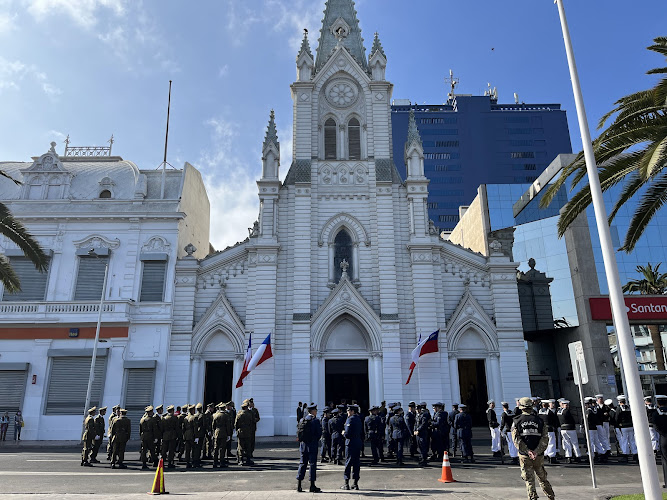
The Catedral de Antofagasta, also known as St. Joseph’s Cathedral, is one of those places that quietly commands attention the moment you see it. Standing tall in the heart of Antofagasta, this neo-Gothic church feels like a slice of Europe tucked into northern Chile’s coastal desert. Built between 1907 and 1917, it’s more than a century old, yet it still manages to look timeless — the kind of building that seems to whisper stories if you stay long enough to listen. I remember walking past it one late afternoon, the Pacific breeze carrying the faint sound of the church bell, and thinking how surreal it was to find such intricate architecture in a city better known for its mining roots and rugged landscapes.

Inside, the cathedral is calm — a sharp contrast to the bustling streets outside. The stained-glass windows, which catch the sunlight in soft hues of red and blue, fill the interior with an almost dreamlike glow. The air feels cooler, quieter, and somehow sacred. You can tell this place has witnessed countless weddings, baptisms, and moments of silent prayer. And even if you’re not religious, there’s something undeniably moving about standing in a space so full of history and human emotion. Locals often stop by just to sit for a few minutes, to find a bit of peace in the middle of their day. That’s the kind of place this is — unpretentious, beautiful, and deeply connected to the rhythm of the city.

Architecturally, the cathedral’s façade is a work of art. Its pointed arches, tall spires, and carved details reflect the craftsmanship of early 20th-century builders who had limited resources but plenty of vision. Interestingly, it was constructed using concrete instead of wood, which was scarce in the region at the time. That decision not only gave the cathedral its distinctive texture but also helped it endure the harsh coastal climate. Over the years, small restorations have kept it in good shape, though the occasional crack or weathered stone only adds to its charm. You can almost feel the passage of time in its walls — it’s imperfect in the best possible way.

Key Features

  • Neo-Gothic Architecture: Characterized by pointed arches, ribbed vaults, and elegant spires that reach toward the sky.
  • Stained Glass Windows: Intricate panels that depict biblical scenes and bathe the interior in soft, colorful light.
  • Historic Construction: Built between 1907 and 1917 using concrete, a rare choice for the period and region.
  • Peaceful Interior: A serene space ideal for reflection, prayer, or simply escaping the bustle of downtown Antofagasta.
  • Cultural Landmark: Serves as both a religious center and a symbol of Antofagasta’s historical identity.
  • Accessibility: The entrance is wheelchair accessible, making it easy for all visitors to explore.

One of the lesser-known facts is that the cathedral’s bell tower once served as a kind of informal timekeeper for the city. Before smartphones and digital clocks, locals would rely on the sound of its bells to mark the hour. It’s small details like that — the kind that connect architecture to daily life — that make this cathedral feel alive. The interior also features a modest yet beautiful altar, and if you’re lucky enough to visit during mass, you’ll hear the choir’s harmonies echoing through the vaulted ceilings. It’s haunting in the best way possible.

Best Time to Visit

If you ask me, the best time to visit the Catedral de Antofagasta is either early in the morning or just before sunset. Morning light filters through the stained glass in a way that makes the interior glow — it’s quiet, almost meditative. Sunset, on the other hand, paints the exterior in golden tones that make for stunning photos. I once stopped by at dusk, and as the last rays hit the façade, it looked like the whole building was softly burning with light. It’s the kind of moment you don’t forget easily.

Weather-wise, Antofagasta enjoys a dry, mild climate year-round, so there’s really no bad time to visit. However, if you’re planning to combine your cathedral stop with other sightseeing, the cooler months (May through September) are ideal for walking tours. Sundays are particularly special because you can experience a local mass — even if you don’t speak Spanish, the atmosphere alone is worth it. Just remember that services can get busy, so arrive a bit early if you want a quiet seat.

How to Get There

Reaching the Catedral de Antofagasta is straightforward since it’s located right in the city center, across from Plaza Colón. Most visitors find it easy to walk from nearby hotels or take a short taxi ride if staying further out. Public transportation is also available, though walking gives you a better sense of the city’s character — you’ll pass small shops, cafés, and bits of street art that tell their own stories.

If you’re driving, parking can be a bit tricky during peak hours, especially on weekends when locals gather in the plaza. I’d suggest parking a few blocks away and strolling over — it’s safer and lets you soak in more of the local atmosphere. For those coming from the Antofagasta Bus Terminal, it’s roughly a 10-minute drive. If you’re staying along the coastal avenue, you can even walk there in about 20 minutes, depending on your pace. The route is flat and easy, and you’ll have the ocean breeze as company most of the way.

Tips for Visiting

Here’s the thing — visiting the Catedral de Antofagasta isn’t just about snapping a few photos and moving on. It’s about slowing down and really feeling the place. So, here are a few tips to make the most of your visit:

  • Dress respectfully: Even though tourists are welcome, it’s still an active place of worship. Modest clothing is appreciated, especially during services.
  • Go during daylight: The stained glass is best appreciated when the sun is out. Mid-morning light is particularly beautiful.
  • Stay for a few minutes of silence: Whether you’re religious or not, take a moment to sit quietly inside. The stillness is part of the experience.
  • Bring a camera, but be discreet: Photography is allowed, but flash and loud shutter sounds can be disruptive during mass.
  • Explore nearby: After your visit, wander around Plaza Colón. There are benches, fountains, and plenty of street vendors selling local snacks.
  • Mind the schedule: The cathedral often closes briefly in the afternoon, so check the opening hours before planning your visit.

One personal tip — if you’re the kind of traveler who likes journaling or sketching, bring your notebook. There’s something about sitting outside the cathedral, with the sea breeze and the hum of city life around you, that sparks creativity. I once spent an hour there just doodling the spires and listening to the chatter of families in the plaza. It’s those small, quiet moments that make travel meaningful.

And don’t rush. Antofagasta isn’t a city that rewards speed. The Catedral de Antofagasta, in particular, invites you to pause — to notice the play of light on stone, the sound of footsteps echoing on the floor, the faint smell of candle wax in the air. It’s not grand in the same way as the cathedrals of Europe, but it has a soul, a kind of understated beauty that stays with you long after you’ve left. If you’re exploring northern Chile, this cathedral deserves a spot on your itinerary — not just as a sightseeing stop, but as a reminder that even in a city built on industry and salt, there’s room for grace and quiet wonder.

Key Features

  • Key Features
  • Best Time to Visit
  • How to Get There
  • Tips for Visiting

More Details

Updated December 1, 2025

Description

The Catedral de Antofagasta, also known as St. Joseph’s Cathedral, is one of those places that quietly commands attention the moment you see it. Standing tall in the heart of Antofagasta, this neo-Gothic church feels like a slice of Europe tucked into northern Chile’s coastal desert. Built between 1907 and 1917, it’s more than a century old, yet it still manages to look timeless — the kind of building that seems to whisper stories if you stay long enough to listen. I remember walking past it one late afternoon, the Pacific breeze carrying the faint sound of the church bell, and thinking how surreal it was to find such intricate architecture in a city better known for its mining roots and rugged landscapes.

Inside, the cathedral is calm — a sharp contrast to the bustling streets outside. The stained-glass windows, which catch the sunlight in soft hues of red and blue, fill the interior with an almost dreamlike glow. The air feels cooler, quieter, and somehow sacred. You can tell this place has witnessed countless weddings, baptisms, and moments of silent prayer. And even if you’re not religious, there’s something undeniably moving about standing in a space so full of history and human emotion. Locals often stop by just to sit for a few minutes, to find a bit of peace in the middle of their day. That’s the kind of place this is — unpretentious, beautiful, and deeply connected to the rhythm of the city.

Architecturally, the cathedral’s façade is a work of art. Its pointed arches, tall spires, and carved details reflect the craftsmanship of early 20th-century builders who had limited resources but plenty of vision. Interestingly, it was constructed using concrete instead of wood, which was scarce in the region at the time. That decision not only gave the cathedral its distinctive texture but also helped it endure the harsh coastal climate. Over the years, small restorations have kept it in good shape, though the occasional crack or weathered stone only adds to its charm. You can almost feel the passage of time in its walls — it’s imperfect in the best possible way.

Key Features

  • Neo-Gothic Architecture: Characterized by pointed arches, ribbed vaults, and elegant spires that reach toward the sky.
  • Stained Glass Windows: Intricate panels that depict biblical scenes and bathe the interior in soft, colorful light.
  • Historic Construction: Built between 1907 and 1917 using concrete, a rare choice for the period and region.
  • Peaceful Interior: A serene space ideal for reflection, prayer, or simply escaping the bustle of downtown Antofagasta.
  • Cultural Landmark: Serves as both a religious center and a symbol of Antofagasta’s historical identity.
  • Accessibility: The entrance is wheelchair accessible, making it easy for all visitors to explore.

One of the lesser-known facts is that the cathedral’s bell tower once served as a kind of informal timekeeper for the city. Before smartphones and digital clocks, locals would rely on the sound of its bells to mark the hour. It’s small details like that — the kind that connect architecture to daily life — that make this cathedral feel alive. The interior also features a modest yet beautiful altar, and if you’re lucky enough to visit during mass, you’ll hear the choir’s harmonies echoing through the vaulted ceilings. It’s haunting in the best way possible.

Best Time to Visit

If you ask me, the best time to visit the Catedral de Antofagasta is either early in the morning or just before sunset. Morning light filters through the stained glass in a way that makes the interior glow — it’s quiet, almost meditative. Sunset, on the other hand, paints the exterior in golden tones that make for stunning photos. I once stopped by at dusk, and as the last rays hit the façade, it looked like the whole building was softly burning with light. It’s the kind of moment you don’t forget easily.

Weather-wise, Antofagasta enjoys a dry, mild climate year-round, so there’s really no bad time to visit. However, if you’re planning to combine your cathedral stop with other sightseeing, the cooler months (May through September) are ideal for walking tours. Sundays are particularly special because you can experience a local mass — even if you don’t speak Spanish, the atmosphere alone is worth it. Just remember that services can get busy, so arrive a bit early if you want a quiet seat.

How to Get There

Reaching the Catedral de Antofagasta is straightforward since it’s located right in the city center, across from Plaza Colón. Most visitors find it easy to walk from nearby hotels or take a short taxi ride if staying further out. Public transportation is also available, though walking gives you a better sense of the city’s character — you’ll pass small shops, cafés, and bits of street art that tell their own stories.

If you’re driving, parking can be a bit tricky during peak hours, especially on weekends when locals gather in the plaza. I’d suggest parking a few blocks away and strolling over — it’s safer and lets you soak in more of the local atmosphere. For those coming from the Antofagasta Bus Terminal, it’s roughly a 10-minute drive. If you’re staying along the coastal avenue, you can even walk there in about 20 minutes, depending on your pace. The route is flat and easy, and you’ll have the ocean breeze as company most of the way.

Tips for Visiting

Here’s the thing — visiting the Catedral de Antofagasta isn’t just about snapping a few photos and moving on. It’s about slowing down and really feeling the place. So, here are a few tips to make the most of your visit:

  • Dress respectfully: Even though tourists are welcome, it’s still an active place of worship. Modest clothing is appreciated, especially during services.
  • Go during daylight: The stained glass is best appreciated when the sun is out. Mid-morning light is particularly beautiful.
  • Stay for a few minutes of silence: Whether you’re religious or not, take a moment to sit quietly inside. The stillness is part of the experience.
  • Bring a camera, but be discreet: Photography is allowed, but flash and loud shutter sounds can be disruptive during mass.
  • Explore nearby: After your visit, wander around Plaza Colón. There are benches, fountains, and plenty of street vendors selling local snacks.
  • Mind the schedule: The cathedral often closes briefly in the afternoon, so check the opening hours before planning your visit.

One personal tip — if you’re the kind of traveler who likes journaling or sketching, bring your notebook. There’s something about sitting outside the cathedral, with the sea breeze and the hum of city life around you, that sparks creativity. I once spent an hour there just doodling the spires and listening to the chatter of families in the plaza. It’s those small, quiet moments that make travel meaningful.

And don’t rush. Antofagasta isn’t a city that rewards speed. The Catedral de Antofagasta, in particular, invites you to pause — to notice the play of light on stone, the sound of footsteps echoing on the floor, the faint smell of candle wax in the air. It’s not grand in the same way as the cathedrals of Europe, but it has a soul, a kind of understated beauty that stays with you long after you’ve left. If you’re exploring northern Chile, this cathedral deserves a spot on your itinerary — not just as a sightseeing stop, but as a reminder that even in a city built on industry and salt, there’s room for grace and quiet wonder.

Key Highlights

  • Key Features
  • Best Time to Visit
  • How to Get There
  • Tips for Visiting

Location

Places to Stay Near Catedral de Antofagasta

Find and Book a Tour

Explore More Travel Guides

No reviews found! Be the first to review!

Traveler Reviews for Catedral de Antofagasta

There are no reviews yet. Be the first one to write one.

Share Your Experience

Have you visited Catedral de Antofagasta? Help other travelers by sharing your review.

Find Accommodations Nearby

Recommended Tours & Activities

Visitor Reviews

There are no reviews yet. Be the first one to write one.

Share Your Experience

Have you visited Catedral de Antofagasta? Help other travelers by leaving a review.