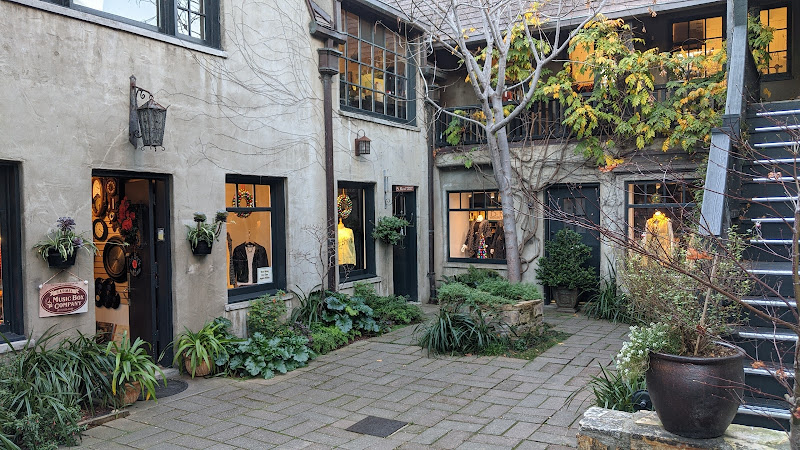
Carmel-by-the-Sea stands as one of California’s most enchanting coastal destinations, where European-inspired architecture meets rugged Pacific coastline in perfect harmony. This artistic haven, spanning just one square mile, captivates visitors with its storybook cottages that look like they’ve been plucked straight from a Brothers Grimm tale. And honestly, that’s not an exaggeration – many of these whimsical homes were actually designed by fairy tale illustrators in the early 1900s.
The city’s artistic soul runs deep, with galleries tucked into every corner and world-renowned museums that house centuries of California history. Former mayor Clint Eastwood left his mark here too, though most visitors are more drawn to the town’s bohemian spirit than its Hollywood connections. What strikes you first isn’t the celebrity factor – it’s the complete absence of street addresses, chain restaurants, and neon signs that makes this place feel like you’ve stepped into another era entirely.
Walking through Carmel feels deliberately slow, almost meditative. The ocean fog rolls in most afternoons, wrapping the cypress trees in mysterious blankets while the sound of crashing waves provides a constant soundtrack. It’s the kind of place where you’ll find yourself taking photos of door handles and garden gates, because even the smallest details here seem crafted with intention.
Key Features
Carmel-by-the-Sea offers visitors a unique blend of natural beauty and artistic culture that’s hard to find anywhere else on the California coast:
- Fairy Tale Cottages: Over 80 historic homes designed by Hugh Comstock and other artists, featuring crooked chimneys, curved rooflines, and doors that seem made for hobbits rather than humans
- Carmel Mission Basilica: Founded in 1771 by Father Junípero Serra, this National Historic Landmark houses an impressive collection of religious artifacts and offers insight into California’s Spanish colonial period
- Ocean Avenue: The main thoroughfare lined with boutique shops, art galleries, and restaurants housed in charming buildings that maintain the town’s fairy tale aesthetic
- Carmel Beach: A pristine white sand beach where dogs run free and bonfires are encouraged, framed by Monterey cypress trees and dramatic rock formations
- Scenic Road Walkway: A coastal path that connects Carmel Beach to Carmel River State Beach, offering spectacular views of the Pacific and opportunities for wildlife spotting
- Tor House: Poet Robinson Jeffers’ stone tower home, built by hand using local granite, now serving as a testament to the area’s literary heritage
- Carmel Plaza: An open-air shopping center that somehow manages to feel intimate rather than commercial, featuring local artisans alongside established brands
- Dog-Friendly Culture: One of the most pet-welcoming destinations in California, where dogs are invited into most shops and restaurants
Best Time to Visit
The truth about Carmel’s weather might surprise you – this isn’t your typical sunny California beach town. The marine layer creates a microclimate that keeps temperatures remarkably consistent year-round, hovering between 50-70°F most days. But there’s definitely strategy involved in timing your visit right.
September through November emerges as the sweet spot for most travelers. The summer fog finally lifts, revealing those postcard-perfect blue skies that photographers dream about. Plus, the crowds thin out after Labor Day, which means you can actually enjoy a leisurely stroll down Ocean Avenue without dodging tour groups every few steps. I’ve found that October particularly shines – literally – with warm afternoons perfect for beach walks and crystal-clear evenings ideal for sunset watching.
Spring (March through May) runs a close second, especially if you’re hoping to catch the wildflower blooms along the coastal trails. The weather can be unpredictable though – you might experience all four seasons in a single afternoon. Pack layers, and I mean it. That morning sunshine can disappear behind fog faster than you can say “where did I put my jacket?”
Summer brings the biggest crowds but also the most reliable fog. If you’re someone who loves that mysterious, moody atmosphere, June through August delivers in spades. Just don’t expect to work on your tan. Winter shouldn’t be dismissed either – storm watching from the bluffs can be absolutely spectacular, and hotel rates drop significantly. However, some attractions operate on reduced hours, so check ahead.
For the best photography conditions, visit during the “golden hour” just after sunrise or before sunset, when the soft light makes even the most ordinary cottage look magical. And here’s a local secret: midweek visits (Tuesday through Thursday) offer the most authentic experience, when you can actually hear the ocean over the sound of car doors slamming.
How to Get There
Getting to Carmel-by-the-Sea requires a bit more planning than your average beach destination, but the journey becomes part of the experience. The closest major airport sits about two hours north in San Francisco, though San Jose (90 minutes) and the tiny Monterey Regional Airport (20 minutes) offer alternatives worth considering.
Driving remains the most popular option, and honestly, the most rewarding. Highway 1 from either direction provides some of the most stunning coastal scenery in North America. From San Francisco, the route takes you through Santa Cruz and past numerous state beaches – budget extra time because you’ll want to stop. The Big Sur approach from the south offers even more dramatic views, though the winding road isn’t for nervous drivers. Construction and seasonal closures can affect this route, so check CalTrans updates before departing.
Public transportation exists but requires patience. Greyhound serves nearby Monterey, connecting to local MST buses that reach Carmel. The entire journey from San Francisco takes 4-5 hours with transfers, but it’s doable if you’re committed to car-free travel. Amtrak’s Coast Starlight stops in Salinas, about 30 minutes inland, where you can catch connecting bus service.
Flying into Monterey Regional makes sense for visitors coming from Southern California or other western states. The small airport handles major carriers and rental cars are available on-site. Plus, the 20-minute drive through Pebble Beach gives you a preview of the coastal luxury that defines this region.
Once you arrive, parking becomes the next challenge. The city operates several public lots, but spaces fill quickly during peak season. Many hotels offer parking packages, which often prove cheaper than daily lot fees. Street parking exists but comes with time limits that locals enforce enthusiastically. Consider walking or biking once you’re settled – everything worthwhile sits within a few blocks anyway.
Tips for Visiting
Carmel operates by its own set of rules, both official and unofficial, that first-time visitors should understand before arriving. The city’s unique character comes partly from these quirks, but they can catch unprepared travelers off guard.
First, there are no street addresses here – seriously. Houses have names instead of numbers, and businesses use descriptive locations like “Ocean Avenue between Lincoln and Monte Verde.” This isn’t just charming affectation; it’s city law dating back to the 1920s. Download offline maps to your phone and screenshot important locations, because GPS can get confused in this addressing system.
The dress code leans casual but polished. You’ll see everything from hiking boots to designer heels, but the overall vibe favors comfortable elegance. Layers are essential – that morning chill might give way to afternoon warmth, then back to evening fog. A good jacket becomes your best friend here.
Dining reservations require advance planning, especially for dinner. Popular restaurants book up weeks ahead during peak season, and many establishments close early compared to typical California cities. But don’t overlook lunch – some of the best meals happen midday when kitchens are less rushed and patio seating shows off the natural light.
Shopping here rewards browsers over bargain hunters. The boutiques specialize in unique items rather than competitive prices, and many gallery owners are artists themselves who enjoy discussing their work. Cash tips for street musicians are appreciated – the city has a rich tradition of supporting local performers.
Photography enthusiasts should know that many of the fairy tale cottages are private residences. Respectful street photography is generally fine, but avoid walking onto private property or peering into windows. The homeowners are surprisingly tolerant of tourists, but common courtesy goes a long way.
Bring comfortable walking shoes with good grip. The coastal paths can be slippery when wet, and some of the most beautiful viewpoints require short hikes over uneven terrain. Also, that romantic beach bonfire you’re picturing? It’s allowed, but you’ll need to bring your own wood – gathering from the beach or nearby areas isn’t permitted.
Finally, embrace the slower pace. Carmel rewards visitors who resist the urge to check every box on their itinerary. Sometimes the best discoveries happen when you’re sitting on a bench watching the fog roll in, or when you take that extra five minutes to chat with a gallery owner about their latest exhibition. This place has been enchanting visitors for over a century – it’s not going anywhere, and neither should you, at least not too quickly.
 Real Journey Travels