
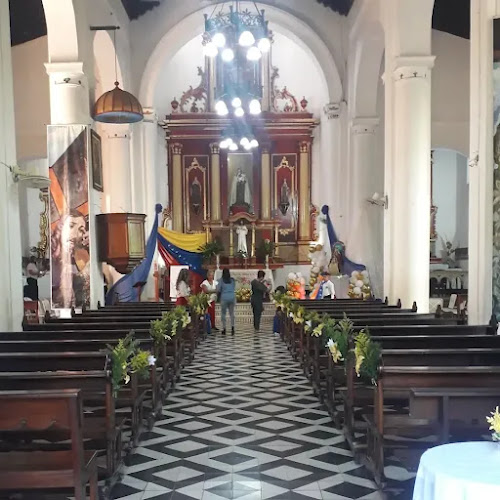
Calabozo
About Calabozo
Description
Calabozo, formally known as Villa de Todos los Santos de Calabozo, stands as one of those Venezuelan cities that quietly tells big stories if you slow down long enough to listen. It sits in Guárico state, right in the heart of the Llanos plains, and functions as the capital of the Francisco de Miranda Municipality. With a population hovering around 168,000 residents, Calabozo feels lived-in and real rather than polished for postcards. And honestly, that’s part of its appeal.
This city once held the title of Guárico’s capital, and traces of that importance still show up in its streets, public buildings, and local pride. Calabozo has long been a crossroads between cattle ranching traditions and political history, and travelers who care about context—not just snapshots—tend to appreciate that. It’s not flashy. It doesn’t try to impress you in the first five minutes. But give it a day or two, and it starts to make sense.
The surrounding landscape is classic Los Llanos: wide horizons, big skies, and a rhythm dictated by seasons rather than clocks. During the rainy months, the plains flood and turn into mirrors reflecting clouds. In the dry season, dust, heat, and cattle rule the scene. Calabozo lives in sync with this cycle, and visitors feel it right away. Shops open early. Afternoons slow down. Even conversations stretch out longer than expected.
Travelers often describe Calabozo as honest. There’s beauty here, sure, but it’s mixed with wear, noise, and contradiction. Some streets buzz with activity, others feel frozen in time. That balance gives the city a grounded personality. It’s not trying to be something else, and that alone makes it refreshing for travelers tired of overly curated destinations.
Key Features
- Historical role as a former state capital, still reflected in civic architecture and local identity
- Gateway to the Venezuelan Llanos, offering a front-row seat to plains culture and landscapes
- Strong cattle-ranching traditions that influence food, music, and daily routines
- A population size that supports real city services without feeling overwhelming
- Markets and plazas that function as social hubs rather than tourist attractions
- Access to seasonal wetlands and wildlife areas during the rainy months
- A slower pace of life that rewards patient, observant travelers
Best Time to Visit
Timing matters a lot in Calabozo. The city experiences two main seasons: rainy and dry, and they feel like entirely different worlds. From May to October, rains transform the surrounding plains. Roads may get tricky, but the scenery becomes dramatic. Birds multiply, water spreads everywhere, and the heat softens just a bit. Travelers interested in nature, photography, or understanding Llanos ecology usually prefer this season, even with the inconveniences.
November through April brings the dry season. This is when travel logistics are easier, and daily life feels more predictable. Streets are dustier, days hotter, and nights surprisingly calm. Festivals and local gatherings tend to cluster in these months, partly because people can move around without worrying about flooded roads. For first-time visitors, the dry season is often the safer bet.
But here’s a small aside travelers mention a lot: Calabozo doesn’t perform on a schedule. Weather shifts, events pop up unexpectedly, and plans change. Coming with flexibility matters more than picking the “perfect” month. If you arrive expecting surprises rather than control, the city treats you better.
How to Get There
Calabozo is accessible by road from several major Venezuelan cities, and that’s how most travelers arrive. Buses run regularly from Caracas and other regional hubs, though schedules can vary. Overland travel gives you a gradual transition into Llanos territory, which actually helps you understand where you’re going. You see the vegetation flatten, the sky open, and the pace adjust mile by mile.
Driving offers more freedom, especially if you plan to explore nearby rural areas. Roads are generally passable, though conditions can change quickly during the rainy season. Fuel availability and checkpoints are things travelers quietly plan for, not panic about. Locals are usually quick to offer advice, sometimes unsolicited, but often useful.
There is no major airport in Calabozo, so flights aren’t part of the typical plan. And that’s okay. The journey in is part of the experience. Many visitors later say that arriving by road helped them mentally shift gears, leaving city urgency behind.
Tips for Visiting
Calabozo rewards curiosity and patience, and punishes rushing. One practical tip: plan afternoons lightly. Heat and daily rhythms slow things down after midday, and fighting that just makes you tired and cranky. Mornings are when the city feels most alive.
Food is hearty, meat-forward, and tied to ranching culture. If you eat like locals do, you’ll understand locals better. Asking where to eat often leads to long explanations and passionate opinions, which is half the fun. Some places look plain but serve excellent meals. Appearances don’t mean much here.
Dress for function, not fashion. Comfortable clothes, sun protection, and shoes that can handle dust or mud will serve you better than anything trendy. And yes, you’ll stand out anyway, so no need to stress about blending in perfectly.
Conversations matter in Calabozo. People value greeting, eye contact, and small talk. Jumping straight to business feels abrupt. Travelers who take time to chat—about weather, cattle, family—often get better advice and warmer interactions. It’s not a trick, just how things work.
Finally, keep expectations realistic. Calabozo isn’t polished, and it doesn’t apologize for that. Some travelers love it for exactly that reason; others struggle. Knowing this ahead of time helps. If you’re looking for glossy attractions, this may not click. But if you want a Venezuelan city that shows its seams, tells its history plainly, and invites you to observe rather than consume, Calabozo quietly delivers.
And when you leave, chances are you’ll remember moments more than landmarks. A long conversation in a plaza. A sunset stretching forever. A meal that tasted better because you weren’t in a hurry. That’s usually how Calabozo stays with people, not loudly, but stubbornly.
Key Features
- Historical role as a former state capital, still reflected in civic architecture and local identity
- Gateway to the Venezuelan Llanos, offering a front-row seat to plains culture and landscapes
- Strong cattle-ranching traditions that influence food, music, and daily routines
- A population size that supports real city services without feeling overwhelming
- Markets and plazas that function as social hubs rather than tourist attractions
- Access to seasonal wetlands and wildlife areas during the rainy months
- A slower pace of life that rewards patient, observant travelers
More Details
Updated December 31, 2025
Table of Contents
Description
Calabozo, formally known as Villa de Todos los Santos de Calabozo, stands as one of those Venezuelan cities that quietly tells big stories if you slow down long enough to listen. It sits in Guárico state, right in the heart of the Llanos plains, and functions as the capital of the Francisco de Miranda Municipality. With a population hovering around 168,000 residents, Calabozo feels lived-in and real rather than polished for postcards. And honestly, that’s part of its appeal.
This city once held the title of Guárico’s capital, and traces of that importance still show up in its streets, public buildings, and local pride. Calabozo has long been a crossroads between cattle ranching traditions and political history, and travelers who care about context—not just snapshots—tend to appreciate that. It’s not flashy. It doesn’t try to impress you in the first five minutes. But give it a day or two, and it starts to make sense.
The surrounding landscape is classic Los Llanos: wide horizons, big skies, and a rhythm dictated by seasons rather than clocks. During the rainy months, the plains flood and turn into mirrors reflecting clouds. In the dry season, dust, heat, and cattle rule the scene. Calabozo lives in sync with this cycle, and visitors feel it right away. Shops open early. Afternoons slow down. Even conversations stretch out longer than expected.
Travelers often describe Calabozo as honest. There’s beauty here, sure, but it’s mixed with wear, noise, and contradiction. Some streets buzz with activity, others feel frozen in time. That balance gives the city a grounded personality. It’s not trying to be something else, and that alone makes it refreshing for travelers tired of overly curated destinations.
Key Features
- Historical role as a former state capital, still reflected in civic architecture and local identity
- Gateway to the Venezuelan Llanos, offering a front-row seat to plains culture and landscapes
- Strong cattle-ranching traditions that influence food, music, and daily routines
- A population size that supports real city services without feeling overwhelming
- Markets and plazas that function as social hubs rather than tourist attractions
- Access to seasonal wetlands and wildlife areas during the rainy months
- A slower pace of life that rewards patient, observant travelers
Best Time to Visit
Timing matters a lot in Calabozo. The city experiences two main seasons: rainy and dry, and they feel like entirely different worlds. From May to October, rains transform the surrounding plains. Roads may get tricky, but the scenery becomes dramatic. Birds multiply, water spreads everywhere, and the heat softens just a bit. Travelers interested in nature, photography, or understanding Llanos ecology usually prefer this season, even with the inconveniences.
November through April brings the dry season. This is when travel logistics are easier, and daily life feels more predictable. Streets are dustier, days hotter, and nights surprisingly calm. Festivals and local gatherings tend to cluster in these months, partly because people can move around without worrying about flooded roads. For first-time visitors, the dry season is often the safer bet.
But here’s a small aside travelers mention a lot: Calabozo doesn’t perform on a schedule. Weather shifts, events pop up unexpectedly, and plans change. Coming with flexibility matters more than picking the “perfect” month. If you arrive expecting surprises rather than control, the city treats you better.
How to Get There
Calabozo is accessible by road from several major Venezuelan cities, and that’s how most travelers arrive. Buses run regularly from Caracas and other regional hubs, though schedules can vary. Overland travel gives you a gradual transition into Llanos territory, which actually helps you understand where you’re going. You see the vegetation flatten, the sky open, and the pace adjust mile by mile.
Driving offers more freedom, especially if you plan to explore nearby rural areas. Roads are generally passable, though conditions can change quickly during the rainy season. Fuel availability and checkpoints are things travelers quietly plan for, not panic about. Locals are usually quick to offer advice, sometimes unsolicited, but often useful.
There is no major airport in Calabozo, so flights aren’t part of the typical plan. And that’s okay. The journey in is part of the experience. Many visitors later say that arriving by road helped them mentally shift gears, leaving city urgency behind.
Tips for Visiting
Calabozo rewards curiosity and patience, and punishes rushing. One practical tip: plan afternoons lightly. Heat and daily rhythms slow things down after midday, and fighting that just makes you tired and cranky. Mornings are when the city feels most alive.
Food is hearty, meat-forward, and tied to ranching culture. If you eat like locals do, you’ll understand locals better. Asking where to eat often leads to long explanations and passionate opinions, which is half the fun. Some places look plain but serve excellent meals. Appearances don’t mean much here.
Dress for function, not fashion. Comfortable clothes, sun protection, and shoes that can handle dust or mud will serve you better than anything trendy. And yes, you’ll stand out anyway, so no need to stress about blending in perfectly.
Conversations matter in Calabozo. People value greeting, eye contact, and small talk. Jumping straight to business feels abrupt. Travelers who take time to chat—about weather, cattle, family—often get better advice and warmer interactions. It’s not a trick, just how things work.
Finally, keep expectations realistic. Calabozo isn’t polished, and it doesn’t apologize for that. Some travelers love it for exactly that reason; others struggle. Knowing this ahead of time helps. If you’re looking for glossy attractions, this may not click. But if you want a Venezuelan city that shows its seams, tells its history plainly, and invites you to observe rather than consume, Calabozo quietly delivers.
And when you leave, chances are you’ll remember moments more than landmarks. A long conversation in a plaza. A sunset stretching forever. A meal that tasted better because you weren’t in a hurry. That’s usually how Calabozo stays with people, not loudly, but stubbornly.
Key Highlights
- Historical role as a former state capital, still reflected in civic architecture and local identity
- Gateway to the Venezuelan Llanos, offering a front-row seat to plains culture and landscapes
- Strong cattle-ranching traditions that influence food, music, and daily routines
- A population size that supports real city services without feeling overwhelming
- Markets and plazas that function as social hubs rather than tourist attractions
- Access to seasonal wetlands and wildlife areas during the rainy months
- A slower pace of life that rewards patient, observant travelers
Location
Places to Stay Near Calabozo
Find and Book a Tour
Explore More Travel Guides
No reviews found! Be the first to review!
Traveler Reviews for Calabozo
There are no reviews yet. Be the first one to write one.
Have you visited Calabozo? Help other travelers by sharing your review.
You Might Also Like
Best Western Hotel Plaza Real
Lazo Martí Park
Compuertas Represa de Calabozo
Find Accommodations Nearby
Recommended Tours & Activities
Visitor Reviews
There are no reviews yet. Be the first one to write one.
Share Your Experience
Have you visited Calabozo? Help other travelers by leaving a review.