
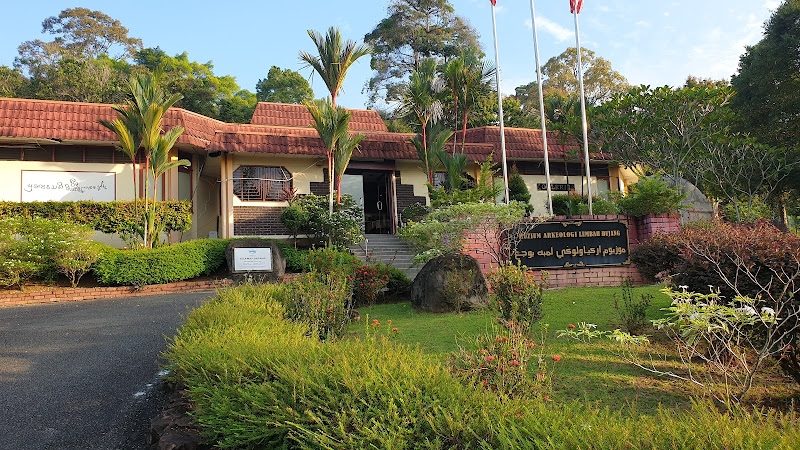
Bujang Valley Archaeological Museum
About Bujang Valley Archaeological Museum
Description
The Bujang Valley Archaeological Museum is one of those places that quietly rearranges how you see Southeast Asian history. It doesn’t shout. It doesn’t overwhelm with screens or flashy installations. Instead, it lets the land and the stones do the talking. And honestly, I like that. Set within a calm, green landscape, the museum sits near the ruins of ancient Hindu-Buddhist temples, some dating back more than a thousand years. Standing there, with cicadas buzzing and the air thick with humidity, it’s oddly easy to forget the present for a bit.
This archaeological museum focuses on the Bujang Valley, which many historians consider one of the earliest known civilizations in Malaysia. We’re talking trade networks, early metallurgy, religious practices, and foreign influences long before colonial maps existed. When I first visited, I expected a quick walk-through. I stayed nearly three hours. And even then, I felt like I rushed parts of it, especially the artifact galleries.
The museum buildings themselves are modest. No dramatic architecture here. But inside, the collections are thoughtful and well-curated. Stone lingams, ancient inscriptions, pottery fragments, ritual objects, and everyday tools tell a surprisingly human story. Not kings and conquests only, but traders, worshippers, craftspeople. You start to realize that the valley wasn’t some remote outpost; it was connected, busy, and culturally layered.
Outside, the reconstructed temple ruins are what really get under your skin. These Hindu temple remains, scattered across the valley, are simple yet powerful. There’s a stillness to them. I remember sitting on a low stone wall, watching a family explain the carvings to their kids, and thinking, yeah, this place works. It teaches without lecturing. It invites curiosity instead of forcing it.
For travelers interested in archaeology, history, or religious heritage, the Bujang Valley Archaeological Museum offers something genuine. It’s not polished to perfection, and that’s part of its charm. Some exhibits feel dated. Some labels could use clearer English. But the story? The story is solid, layered, and quietly fascinating.
Key Features
- Extensive collection of archaeological artifacts from ancient Kedah, including pottery, beads, tools, and ritual objects
- Stone temple ruins showcasing early Hindu influences in the region
- Exhibits explaining ancient trade routes connecting the valley to India, China, and the Middle East
- Serene outdoor grounds ideal for slow exploration and photography
- Family-friendly layout that works well for kids who like space to roam
- Wheelchair accessible parking and restrooms, which is still sadly rare at heritage sites
- Interpretive panels that mix academic research with plain-language explanations
One thing I appreciated, maybe more than I expected, was how the museum doesn’t pretend to have all the answers. Archaeology is full of gaps, and the exhibits acknowledge that. You’ll see phrases like believed to be or possibly used for, and that honesty matters. It reminds you that history is an ongoing conversation, not a finished script.
Best Time to Visit
The best time to visit the Bujang Valley Archaeological Museum is during the drier months, typically between December and March. The outdoor ruins are a big part of the experience, and heavy rain can turn paths muddy and slightly annoying. I visited once right after a downpour and spent half the time dodging puddles. Still worth it, but yeah, dry weather helps.
Mornings are ideal. The air is cooler, the lighting is better for photos, and you’ll likely have the place mostly to yourself. By midday, the heat can get sticky, especially when you’re walking between temple sites. Afternoons are quieter again, but energy levels dip. If you’re the kind of traveler who likes to read every panel (that’s me, guilty), start early.
Weekdays are calmer than weekends, when local families and school groups sometimes arrive. That said, seeing kids run around asking questions adds life to the place. It doesn’t ruin the mood; it softens it. But if you want contemplative silence, aim for a weekday morning.
How to Get There
Getting to the Bujang Valley Archaeological Museum is fairly straightforward if you’re already exploring Kedah or nearby regions. Most travelers arrive by car, which gives you flexibility to explore the wider valley and nearby ruins at your own pace. The drive itself is pleasant, with stretches of greenery that hint at how fertile and valuable this land once was.
If you’re relying on public transport, it’s doable but requires patience. Buses can get you part of the way, followed by a short taxi ride. Ride-hailing services are available in the broader area, though availability can fluctuate. I once waited longer than expected for a car, which turned into an impromptu chat with a local fruit seller. Not a bad trade, honestly.
Guided tours from nearby cities are another option, especially if you want context without doing all the reading yourself. A good guide can bring the stones to life. A bad one, well, you’ll be checking your watch. Choose wisely if you go that route.
Tips for Visiting
First tip, wear comfortable shoes. This sounds obvious, but you’ll be walking on uneven ground around the temple ruins. Flip-flops are a bad idea. I tried once. Regretted it about ten minutes in.
Bring water. There’s no restaurant on-site, and while restrooms are available, food options are limited nearby. A reusable bottle goes a long way, especially in the heat.
If you’re visiting with kids, let them explore. The site is surprisingly good for young minds. Space, stones, stories. It works. Just keep an eye on them near the ruins.
Take your time reading the displays, but don’t stress if some explanations feel a bit academic. Focus on the big picture: this valley mattered. A lot. It was a crossroads of belief systems and commerce long before modern borders.
Photography is allowed in most areas, and early morning light is your friend. The textures of the stone temples look incredible when the sun hits just right.
And finally, come with curiosity, not expectations. The Bujang Valley Archaeological Museum isn’t flashy or fast-paced. It asks you to slow down. To imagine. To connect dots across centuries. If you let it, it rewards you with a deeper understanding of Malaysia’s ancient past and, weirdly enough, a calmer mind by the time you leave.
Some travelers walk away mildly impressed. Others, like me, keep thinking about it days later. That says something.
Key Features
- Extensive collection of archaeological artifacts from ancient Kedah, including pottery, beads, tools, and ritual objects
- Stone temple ruins showcasing early Hindu influences in the region
- Exhibits explaining ancient trade routes connecting the valley to India, China, and the Middle East
- Serene outdoor grounds ideal for slow exploration and photography
- Family-friendly layout that works well for kids who like space to roam
- Wheelchair accessible parking and restrooms, which is still sadly rare at heritage sites
- Interpretive panels that mix academic research with plain-language explanations
More Details
Updated December 30, 2025
Table of Contents
Description
The Bujang Valley Archaeological Museum is one of those places that quietly rearranges how you see Southeast Asian history. It doesn’t shout. It doesn’t overwhelm with screens or flashy installations. Instead, it lets the land and the stones do the talking. And honestly, I like that. Set within a calm, green landscape, the museum sits near the ruins of ancient Hindu-Buddhist temples, some dating back more than a thousand years. Standing there, with cicadas buzzing and the air thick with humidity, it’s oddly easy to forget the present for a bit.
This archaeological museum focuses on the Bujang Valley, which many historians consider one of the earliest known civilizations in Malaysia. We’re talking trade networks, early metallurgy, religious practices, and foreign influences long before colonial maps existed. When I first visited, I expected a quick walk-through. I stayed nearly three hours. And even then, I felt like I rushed parts of it, especially the artifact galleries.
The museum buildings themselves are modest. No dramatic architecture here. But inside, the collections are thoughtful and well-curated. Stone lingams, ancient inscriptions, pottery fragments, ritual objects, and everyday tools tell a surprisingly human story. Not kings and conquests only, but traders, worshippers, craftspeople. You start to realize that the valley wasn’t some remote outpost; it was connected, busy, and culturally layered.
Outside, the reconstructed temple ruins are what really get under your skin. These Hindu temple remains, scattered across the valley, are simple yet powerful. There’s a stillness to them. I remember sitting on a low stone wall, watching a family explain the carvings to their kids, and thinking, yeah, this place works. It teaches without lecturing. It invites curiosity instead of forcing it.
For travelers interested in archaeology, history, or religious heritage, the Bujang Valley Archaeological Museum offers something genuine. It’s not polished to perfection, and that’s part of its charm. Some exhibits feel dated. Some labels could use clearer English. But the story? The story is solid, layered, and quietly fascinating.
Key Features
- Extensive collection of archaeological artifacts from ancient Kedah, including pottery, beads, tools, and ritual objects
- Stone temple ruins showcasing early Hindu influences in the region
- Exhibits explaining ancient trade routes connecting the valley to India, China, and the Middle East
- Serene outdoor grounds ideal for slow exploration and photography
- Family-friendly layout that works well for kids who like space to roam
- Wheelchair accessible parking and restrooms, which is still sadly rare at heritage sites
- Interpretive panels that mix academic research with plain-language explanations
One thing I appreciated, maybe more than I expected, was how the museum doesn’t pretend to have all the answers. Archaeology is full of gaps, and the exhibits acknowledge that. You’ll see phrases like believed to be or possibly used for, and that honesty matters. It reminds you that history is an ongoing conversation, not a finished script.
Best Time to Visit
The best time to visit the Bujang Valley Archaeological Museum is during the drier months, typically between December and March. The outdoor ruins are a big part of the experience, and heavy rain can turn paths muddy and slightly annoying. I visited once right after a downpour and spent half the time dodging puddles. Still worth it, but yeah, dry weather helps.
Mornings are ideal. The air is cooler, the lighting is better for photos, and you’ll likely have the place mostly to yourself. By midday, the heat can get sticky, especially when you’re walking between temple sites. Afternoons are quieter again, but energy levels dip. If you’re the kind of traveler who likes to read every panel (that’s me, guilty), start early.
Weekdays are calmer than weekends, when local families and school groups sometimes arrive. That said, seeing kids run around asking questions adds life to the place. It doesn’t ruin the mood; it softens it. But if you want contemplative silence, aim for a weekday morning.
How to Get There
Getting to the Bujang Valley Archaeological Museum is fairly straightforward if you’re already exploring Kedah or nearby regions. Most travelers arrive by car, which gives you flexibility to explore the wider valley and nearby ruins at your own pace. The drive itself is pleasant, with stretches of greenery that hint at how fertile and valuable this land once was.
If you’re relying on public transport, it’s doable but requires patience. Buses can get you part of the way, followed by a short taxi ride. Ride-hailing services are available in the broader area, though availability can fluctuate. I once waited longer than expected for a car, which turned into an impromptu chat with a local fruit seller. Not a bad trade, honestly.
Guided tours from nearby cities are another option, especially if you want context without doing all the reading yourself. A good guide can bring the stones to life. A bad one, well, you’ll be checking your watch. Choose wisely if you go that route.
Tips for Visiting
First tip, wear comfortable shoes. This sounds obvious, but you’ll be walking on uneven ground around the temple ruins. Flip-flops are a bad idea. I tried once. Regretted it about ten minutes in.
Bring water. There’s no restaurant on-site, and while restrooms are available, food options are limited nearby. A reusable bottle goes a long way, especially in the heat.
If you’re visiting with kids, let them explore. The site is surprisingly good for young minds. Space, stones, stories. It works. Just keep an eye on them near the ruins.
Take your time reading the displays, but don’t stress if some explanations feel a bit academic. Focus on the big picture: this valley mattered. A lot. It was a crossroads of belief systems and commerce long before modern borders.
Photography is allowed in most areas, and early morning light is your friend. The textures of the stone temples look incredible when the sun hits just right.
And finally, come with curiosity, not expectations. The Bujang Valley Archaeological Museum isn’t flashy or fast-paced. It asks you to slow down. To imagine. To connect dots across centuries. If you let it, it rewards you with a deeper understanding of Malaysia’s ancient past and, weirdly enough, a calmer mind by the time you leave.
Some travelers walk away mildly impressed. Others, like me, keep thinking about it days later. That says something.
Key Highlights
- Extensive collection of archaeological artifacts from ancient Kedah, including pottery, beads, tools, and ritual objects
- Stone temple ruins showcasing early Hindu influences in the region
- Exhibits explaining ancient trade routes connecting the valley to India, China, and the Middle East
- Serene outdoor grounds ideal for slow exploration and photography
- Family-friendly layout that works well for kids who like space to roam
- Wheelchair accessible parking and restrooms, which is still sadly rare at heritage sites
- Interpretive panels that mix academic research with plain-language explanations
Location
Places to Stay Near Bujang Valley Archaeological Museum
Find and Book a Tour
Explore More Travel Guides
No reviews found! Be the first to review!
Traveler Reviews for Bujang Valley Archaeological Museum
There are no reviews yet. Be the first one to write one.
Have you visited Bujang Valley Archaeological Museum? Help other travelers by sharing your review.
Find Accommodations Nearby
Recommended Tours & Activities
Visitor Reviews
There are no reviews yet. Be the first one to write one.
Share Your Experience
Have you visited Bujang Valley Archaeological Museum? Help other travelers by leaving a review.