Description
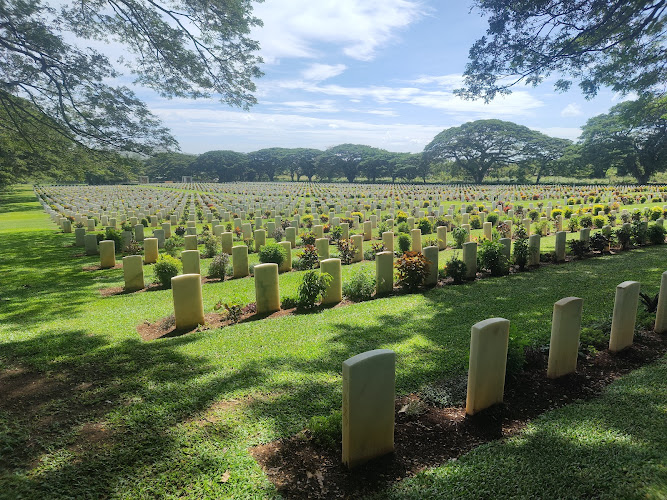
The cemetery holds the graves of thousands of Allied soldiers who lost their lives in Papua and Bougainville during the Pacific campaigns. Many were part of the Kokoda Track battles—those grueling, muddy, and heartbreaking confrontations that defined Australia’s wartime legacy in the region. The rows of white headstones, perfectly aligned across lush green lawns, stretch into the distance, each one representing a story that ended too soon. And yet, despite the somber history, there’s something oddly comforting about the place. The grounds are so immaculately cared for that it feels like every blade of grass, every flower, is part of a quiet promise: we remember you.
I remember my first visit vividly. It was early morning, the sun just starting to rise over the hills, and the dew still clung to the grass. I walked through the entrance archway and was immediately struck by the silence—it wasn’t an empty silence, but one filled with presence. You could almost sense the spirits of those who rest here. It’s hard not to feel humbled. Whether you’re a history enthusiast, a traveler looking for deeper meaning, or someone simply curious about Papua New Guinea’s wartime past, Bomana War Cemetery has a way of leaving an impression that lingers long after you’ve left.
What makes this site stand out is how seamlessly it blends solemn remembrance with natural beauty. The landscaping is breathtaking in its simplicity—rows of tropical trees and flowering shrubs frame the headstones, while the surrounding hills create a serene backdrop. It’s a place where reflection feels natural, where you can wander quietly and let your thoughts drift between the past and the present. And although most visitors come to pay respects, many also find themselves staying longer than expected, drawn in by the calm and the sense of connection that seems to hang in the air.
Key Features
- Commonwealth War Graves Commission Site: Carefully maintained by the CWGC, ensuring every grave and memorial remains in pristine condition year-round.
- Historical Significance: Final resting place for thousands of Allied soldiers who fought in the New Guinea Campaign, including the Kokoda Track battles.
- Beautiful Landscaping: Expansive lawns, tropical flowers, and shaded walkways create a peaceful setting for reflection.
- Memorial Architecture: A central stone memorial and cross of sacrifice stand as poignant symbols of remembrance.
- Accessibility: The cemetery offers wheelchair-accessible entrances and parking, making it easy for all visitors to explore comfortably.
- Tranquil Atmosphere: Despite its proximity to Port Moresby, the site feels worlds away—quiet, contemplative, and deeply moving.
What I personally love about Bomana is how understated it is. There’s no fanfare, no commercial buzz—just quiet respect. It’s the kind of place that makes you slow down, breathe, and think about the people who came before us. And maybe that’s what makes it so powerful—it doesn’t try to impress; it simply exists to remind us of what matters.
Best Time to Visit
Bomana War Cemetery is open year-round, but if you want to experience it at its most serene, plan your visit early in the morning or late in the afternoon. The light during those times is soft and golden, casting long shadows across the rows of headstones—it’s hauntingly beautiful. The dry season, from May to October, is generally the best time to travel in Papua New Guinea. The skies are clearer, the paths are easier to walk, and the humidity is more forgiving. During the wet season, from November to April, the grounds can get muddy (and trust me, tropical rain in PNG doesn’t mess around). Still, even in the rain, there’s something poetic about the cemetery—the droplets glistening on marble, the scent of wet earth, the sense of renewal that follows a storm.
If you happen to be in Port Moresby around Anzac Day (April 25), you might catch the dawn service held here. It’s one of the most moving ceremonies you’ll ever witness. Locals, veterans, and travelers gather before sunrise, candles flickering in the dark, as the bugle sounds the Last Post. It’s impossible not to feel the emotion in that moment—it’s raw, real, and unforgettable.
How to Get There
Getting to Bomana War Cemetery is relatively straightforward. It’s located about 19 kilometers northeast of Port Moresby, along the road to Nine Mile. Most visitors either take a taxi or arrange a private driver, as public transport options can be unpredictable. If you’re staying at one of the major hotels in Port Moresby, you can usually book a guided tour that includes the cemetery along with other historical sites like the National Museum or the Parliament House. The drive itself takes around 30–40 minutes depending on traffic, and it’s quite scenic once you leave the bustle of the city behind.
And here’s a little tip from experience—try to go early in the day. The midday sun in Papua New Guinea can be fierce, and there’s not a ton of shade once you’re walking among the graves. Bring water, a hat, and sunscreen. Oh, and don’t be surprised if you see school groups or veterans visiting; it’s a popular educational site for locals as well.
Tips for Visiting
Visiting a war cemetery is a deeply personal experience, and Bomana is no exception. Here are a few tips to help you make the most of it:
- Show respect: This isn’t a tourist attraction in the usual sense—it’s a place of remembrance. Keep your voice low, dress modestly, and avoid disruptive behavior.
- Take your time: Don’t rush through. Pause at the memorials, read the inscriptions, and reflect on the lives behind the names.
- Photography: Photos are allowed, but be mindful. Capture the beauty, not the grief. The morning light is perfect for respectful photography.
- Bring flowers: If you wish to pay your respects, leaving a small bouquet or poppy is a thoughtful gesture. Many visitors do this, especially around commemorative dates.
- Stay hydrated: The tropical climate can be intense, so bring a bottle of water and wear light clothing.
- Talk to the grounds staff: They’re friendly and incredibly knowledgeable. Many have personal stories or insights that add depth to your visit.
- Combine it with other sites: If you’re exploring the area, consider pairing your visit with the nearby Bomana Police College or the Kokoda Track Memorial Walkway for a fuller understanding of the region’s wartime history.
One thing I’ll say—no matter how many cemeteries you’ve visited before, Bomana feels different. Maybe it’s the tropical setting, or maybe it’s the sheer scale of sacrifice represented here. But standing among those rows of headstones, you can’t help but feel a deep sense of gratitude. It’s humbling, grounding, and strangely uplifting all at once.
So, if you ever find yourself in Port Moresby, carve out a couple of hours to visit Bomana War Cemetery. Go quietly, go respectfully, and let the place speak to you. Because it will. And when you leave, you’ll carry a little piece of its peace with you.