It’s not one of those overly commercialized tourist spots with endless crowds and selfie sticks everywhere. Instead, it’s calm, earthy, and deeply rooted in history. Once the royal hunting grounds of the Maharajas of Patiala, this sanctuary now stands as a protected area spread over about 654 hectares. It’s a patchwork of dry deciduous forest, fruit-bearing trees, and eucalyptus plantations that hum with life.
There’s something special about walking through a forest that once echoed with royal hunts and now resonates with the chirping of birds and rustling of leaves. I remember visiting on a warm afternoon, the kind where the air smells faintly of earth and eucalyptus. The sunlight filtered through the trees, and a group of peafowls strutted across the path like they owned the place. It’s moments like that which make Bir Moti Bagh feel more like a living story than just another sanctuary.
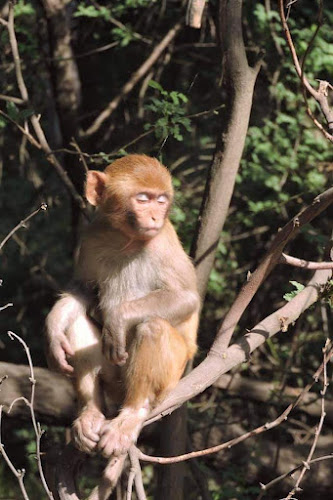
The sanctuary shelters a variety of wildlife — chital, hog deer, jackals, and a colorful range of birds from partridges to mynas. It’s not a massive jungle teeming with tigers or elephants, but that’s precisely its charm. It’s intimate. You can actually hear the rhythm of nature here — a rustle in the bushes, a distant call of a peacock, the whisper of wind through dry leaves. For anyone who loves nature photography, birdwatching, or simply quiet walks, this place is a gem.
What’s fascinating is how history and ecology blend here. The sanctuary was declared protected back in 1952, transforming from a royal hunting reserve into a haven for biodiversity. You can still sense the regal legacy in the air. Old pathways, thick groves, and the occasional glimpse of the nearby Moti Bagh Palace remind you that this land has witnessed centuries of change. And yet, it remains steadfast — a green lung for Patiala and a retreat for those who crave a bit of stillness.
Key Features
If you’re the kind of traveler who prefers serenity over spectacle, this sanctuary will speak to you. It’s not about ticking off a list of animals you’ve seen; it’s about slowing down, breathing in fresh air, and reconnecting with the natural rhythm of life.
Best Time to Visit
The best time to visit Bir Moti Bagh Wildlife Sanctuary is between October and March. During these months, the weather in Patiala is pleasantly cool, and the forest feels alive after the monsoon rains. The foliage is lush, the air crisp, and the chances of spotting wildlife are higher.
Summer, on the other hand, can be quite hot — sometimes crossing 40°C. If you do visit then, early mornings or late evenings are your best bet. I once made the mistake of going in May around noon, and let’s just say, even the peacocks looked exhausted. But in winter, it’s pure magic. The mist in the mornings, the golden light filtering through the trees, and the distant calls of birds make it feel almost cinematic.
For photographers, sunrise and sunset are the golden hours here. The light plays beautifully with the textures of the forest, and you can often catch animals moving around during these times. Birdwatchers will find early mornings particularly rewarding.
How to Get There
Reaching Bir Moti Bagh Wildlife Sanctuary is fairly straightforward. It’s located just about 5 kilometers from the heart of Patiala city, making it an easy half-day trip for anyone staying nearby. Patiala itself is well-connected by road and rail to major cities in Punjab and northern India.
If you’re coming from Chandigarh, it’s roughly a 70-kilometer drive — around an hour and a half depending on traffic. The route is scenic, with fields stretching endlessly on both sides. From Delhi, it takes around four to five hours by car, and the drive is smooth most of the way. There are also regular trains to Patiala from Delhi, Ambala, and Ludhiana.
Once in Patiala, local taxis, auto-rickshaws, or even rented bikes can take you to the sanctuary gate. The roads leading up to it are well-maintained, and parking is available near the entrance. It’s one of those rare spots where you can easily escape the city without a long, tiring journey.
Tips for Visiting
Before heading to Bir Moti Bagh, it helps to plan a little. Here are some personal tips that might make your visit smoother — and more enjoyable:
- Go early: Mornings are when the forest truly wakes up. You’ll catch more bird activity and better light for photos.
- Carry water and light snacks: There aren’t many facilities inside, so pack what you need but keep it eco-friendly. No littering, please!
- Dress comfortably: Lightweight, breathable clothes and sturdy shoes are best. A hat and sunscreen go a long way, especially in summer.
- Bring binoculars: The sanctuary is a paradise for birdwatchers, and you’ll regret not having a pair when you hear that distinctive call from the treetops.
- Respect the wildlife: Keep noise to a minimum. The beauty of this place lies in its quietude — let it stay that way.
- Avoid weekends if you can: While it’s never crowded, weekdays are even more peaceful.
- Combine it with nearby attractions: If you have time, explore Moti Bagh Palace or the Sheesh Mahal Museum in Patiala — both carry the same royal legacy that once shaped this sanctuary.
One thing I learned while wandering around here is that patience pays off. You might not spot animals right away, but if you sit quietly under a tree for a while, the forest starts to reveal itself. A flash of feathers here, a rustle there — it’s a slow, gentle rhythm that rewards those who take their time.
And honestly, that’s what travel should be about sometimes — slowing down. Bir Moti Bagh isn’t a place for adrenaline junkies or luxury seekers. It’s for those who want to breathe, listen, and feel connected to something older and wilder than themselves. Whether you’re a solo traveler looking for introspection, a family on a relaxed weekend outing, or a photographer chasing that perfect shot, this sanctuary offers a space to just be.
If I could give one final piece of advice, it would be this: don’t rush it. Let the forest set the pace. Watch the light change through the trees, listen to the birds, and maybe, just maybe, you’ll catch a glimpse of the same serenity that once drew the Maharajas here. Bir Moti Bagh may not be the most talked-about destination, but it’s one of those rare places that stays with you long after you’ve left.
 Real Journey Travels