Bauru Regional Railroad Museum
About Bauru Regional Railroad Museum
Description
The Bauru Regional Railroad Museum is one of those places that quietly explains a whole city if you pay attention. Focused on railway history in São Paulo state, it tells the story of how trains didn’t just pass through Bauru—they shaped it. In the third-person sense, this museum exists to preserve locomotives, wagons, documents, and everyday objects that once kept Brazil’s rail network running. In the traveler sense, it’s a pause button. A place where time slows down, metal smells like old oil, and you start imagining what travel felt like before highways took over everything.
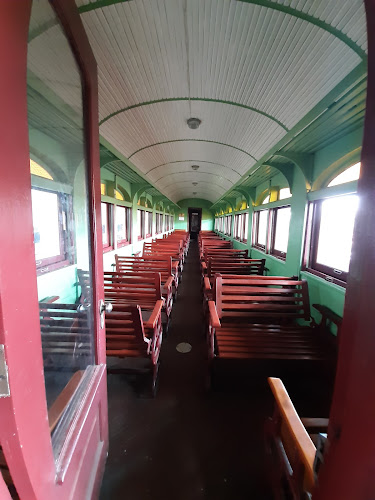
Set inside former railway structures, the museum feels authentic rather than polished. And that’s part of its charm. Visitors walk through outdoor and indoor exhibits, with real trains resting on tracks that once mattered economically and socially. There’s an honesty here. Some pieces show wear, paint chipped by decades of sun and rain. But that wear tells the truth. This isn’t a theme park version of rail history; it’s the real thing, preserved as best as possible.
The museum works especially well for travelers curious about how Bauru became a strategic transport hub. Railroads once connected agricultural regions to ports and cities, and Bauru sat right in the middle of that web. The displays explain this clearly, without being overly academic. You don’t need to be a train expert to enjoy it. And if you are? Well, you might linger longer than planned.
From a personal angle, rail museums always get to me. Growing up, train stations were places of goodbye and reunion, even if the trains themselves were slow and loud. Walking through Bauru’s collection brought back that same feeling. And yes, maybe that’s nostalgia talking. But travelers often say this museum leaves them unexpectedly thoughtful, which is not something every attraction manages.
It’s also good for kids, which matters when you’re traveling as a family. The scale of the locomotives, the mechanical parts, and the idea that people once crossed huge distances inside these machines tends to spark curiosity fast. Just don’t expect flashy screens everywhere. This place leans more toward tangible history than digital immersion.
Key Features
- Authentic historic locomotives and railcars displayed on original tracks
- Exhibits explaining Bauru’s role in Brazil’s railway expansion
- Indoor and outdoor areas, allowing visitors to explore at their own pace
- Original railway tools, uniforms, signage, and archival photographs
- Strong appeal for photography, especially for industrial and heritage shots
- Family-friendly layout that works well for children and school-age visitors
- Educational focus without feeling stiff or overly technical
One thing worth noting is how open the space feels. Some visitors expect a tight, modern museum layout and are surprised by how spread out everything is. Personally, that’s a plus. You’re not rushed. You wander. And sometimes wandering is how you learn best.
Best Time to Visit
The best time to visit the Bauru Regional Railroad Museum is during the drier months, when walking between outdoor exhibits is more comfortable. Late mornings tend to be ideal. The light is better for photography, and the temperature is still manageable. Afternoons can get warm, especially if you’re moving slowly and stopping to read every panel—which, let’s be honest, you probably will.
Weekdays are usually quieter, making it easier to explore without feeling crowded. That said, weekends often bring families, which gives the place a more lively, community feel. If you enjoy hearing kids ask questions and seeing parents explain how things used to work, weekends have their own charm.
School holidays can be busier, but not overwhelmingly so. The museum doesn’t attract massive tour groups in the way larger attractions do. And that’s another reason travelers like it. It feels local, not overrun.
From experience, cloudy days work surprisingly well here. The muted light makes the metal textures pop in photos, and walking outdoors feels easier. I once visited a rail museum on a blazing hot day and regretted not bringing more water. Learn from that mistake. Plan smart.
How to Get There
Getting to the Bauru Regional Railroad Museum is relatively straightforward for travelers already in the city. Bauru is well-connected by road, and once you’re in town, local transportation options make the museum accessible without much hassle. Taxis and ride-share services are commonly used by visitors who don’t want to navigate unfamiliar streets.
For those arriving by bus or car, the museum’s location within the urban area makes it an easy stop as part of a larger sightseeing day. Many travelers pair it with other cultural or historical points in Bauru, turning it into a half-day exploration rather than a standalone trip.
If you enjoy walking and the weather cooperates, reaching the museum on foot from nearby areas can actually be pleasant. You get a sense of the city’s rhythm, and by the time you arrive, the railway story makes more sense. Trains, after all, were always about connection.
Tips for Visiting
First tip: wear comfortable shoes. The museum involves more walking than you might expect, especially if you explore every outdoor section. This isn’t a quick in-and-out stop unless you want it to be.
Second, bring water. There is no on-site restaurant, and while that’s not a dealbreaker, it does mean you should plan ahead. A small backpack with water and maybe a snack will go a long way, particularly if you’re visiting with kids.
Photography lovers should bring a camera or make sure their phone is charged. The contrast between rusted metal, old signage, and open sky creates great compositions. And yes, some of the best shots are the ones you don’t plan. I once spent ten minutes waiting for the light to hit a locomotive just right. Worth it.
Take your time reading the informational panels, even if they look simple at first glance. They often include small details about daily railway life that you won’t find in standard history books. Things like work schedules, maintenance routines, and how communities grew around the tracks. Those details stick with you.
If you’re traveling with children, encourage questions. The museum works best when it becomes a conversation. Why were trains so important? What happened when rail travel declined? These are big ideas, but the setting makes them approachable.
And finally, keep expectations realistic. The Bauru Regional Railroad Museum isn’t flashy or high-tech. Some visitors walk in expecting a perfectly restored, ultra-modern attraction and leave a bit underwhelmed. But travelers who appreciate authenticity, history, and a slightly rough-around-the-edges experience often leave satisfied. Sometimes even pleasantly surprised.
In the end, the museum stands as a reminder that travel used to be slower, louder, and maybe more meaningful. And for many visitors, that reflection alone makes the visit worthwhile.
Key Features
- Authentic historic locomotives and railcars displayed on original tracks
- Exhibits explaining Bauru’s role in Brazil’s railway expansion
- Indoor and outdoor areas, allowing visitors to explore at their own pace
- Original railway tools, uniforms, signage, and archival photographs
- Strong appeal for photography, especially for industrial and heritage shots
- Family-friendly layout that works well for children and school-age visitors
- Educational focus without feeling stiff or overly technical
More Details
Updated December 31, 2025
Table of Contents
Description
The Bauru Regional Railroad Museum is one of those places that quietly explains a whole city if you pay attention. Focused on railway history in São Paulo state, it tells the story of how trains didn’t just pass through Bauru—they shaped it. In the third-person sense, this museum exists to preserve locomotives, wagons, documents, and everyday objects that once kept Brazil’s rail network running. In the traveler sense, it’s a pause button. A place where time slows down, metal smells like old oil, and you start imagining what travel felt like before highways took over everything.
Set inside former railway structures, the museum feels authentic rather than polished. And that’s part of its charm. Visitors walk through outdoor and indoor exhibits, with real trains resting on tracks that once mattered economically and socially. There’s an honesty here. Some pieces show wear, paint chipped by decades of sun and rain. But that wear tells the truth. This isn’t a theme park version of rail history; it’s the real thing, preserved as best as possible.
The museum works especially well for travelers curious about how Bauru became a strategic transport hub. Railroads once connected agricultural regions to ports and cities, and Bauru sat right in the middle of that web. The displays explain this clearly, without being overly academic. You don’t need to be a train expert to enjoy it. And if you are? Well, you might linger longer than planned.
From a personal angle, rail museums always get to me. Growing up, train stations were places of goodbye and reunion, even if the trains themselves were slow and loud. Walking through Bauru’s collection brought back that same feeling. And yes, maybe that’s nostalgia talking. But travelers often say this museum leaves them unexpectedly thoughtful, which is not something every attraction manages.
It’s also good for kids, which matters when you’re traveling as a family. The scale of the locomotives, the mechanical parts, and the idea that people once crossed huge distances inside these machines tends to spark curiosity fast. Just don’t expect flashy screens everywhere. This place leans more toward tangible history than digital immersion.
Key Features
- Authentic historic locomotives and railcars displayed on original tracks
- Exhibits explaining Bauru’s role in Brazil’s railway expansion
- Indoor and outdoor areas, allowing visitors to explore at their own pace
- Original railway tools, uniforms, signage, and archival photographs
- Strong appeal for photography, especially for industrial and heritage shots
- Family-friendly layout that works well for children and school-age visitors
- Educational focus without feeling stiff or overly technical
One thing worth noting is how open the space feels. Some visitors expect a tight, modern museum layout and are surprised by how spread out everything is. Personally, that’s a plus. You’re not rushed. You wander. And sometimes wandering is how you learn best.
Best Time to Visit
The best time to visit the Bauru Regional Railroad Museum is during the drier months, when walking between outdoor exhibits is more comfortable. Late mornings tend to be ideal. The light is better for photography, and the temperature is still manageable. Afternoons can get warm, especially if you’re moving slowly and stopping to read every panel—which, let’s be honest, you probably will.
Weekdays are usually quieter, making it easier to explore without feeling crowded. That said, weekends often bring families, which gives the place a more lively, community feel. If you enjoy hearing kids ask questions and seeing parents explain how things used to work, weekends have their own charm.
School holidays can be busier, but not overwhelmingly so. The museum doesn’t attract massive tour groups in the way larger attractions do. And that’s another reason travelers like it. It feels local, not overrun.
From experience, cloudy days work surprisingly well here. The muted light makes the metal textures pop in photos, and walking outdoors feels easier. I once visited a rail museum on a blazing hot day and regretted not bringing more water. Learn from that mistake. Plan smart.
How to Get There
Getting to the Bauru Regional Railroad Museum is relatively straightforward for travelers already in the city. Bauru is well-connected by road, and once you’re in town, local transportation options make the museum accessible without much hassle. Taxis and ride-share services are commonly used by visitors who don’t want to navigate unfamiliar streets.
For those arriving by bus or car, the museum’s location within the urban area makes it an easy stop as part of a larger sightseeing day. Many travelers pair it with other cultural or historical points in Bauru, turning it into a half-day exploration rather than a standalone trip.
If you enjoy walking and the weather cooperates, reaching the museum on foot from nearby areas can actually be pleasant. You get a sense of the city’s rhythm, and by the time you arrive, the railway story makes more sense. Trains, after all, were always about connection.
Tips for Visiting
First tip: wear comfortable shoes. The museum involves more walking than you might expect, especially if you explore every outdoor section. This isn’t a quick in-and-out stop unless you want it to be.
Second, bring water. There is no on-site restaurant, and while that’s not a dealbreaker, it does mean you should plan ahead. A small backpack with water and maybe a snack will go a long way, particularly if you’re visiting with kids.
Photography lovers should bring a camera or make sure their phone is charged. The contrast between rusted metal, old signage, and open sky creates great compositions. And yes, some of the best shots are the ones you don’t plan. I once spent ten minutes waiting for the light to hit a locomotive just right. Worth it.
Take your time reading the informational panels, even if they look simple at first glance. They often include small details about daily railway life that you won’t find in standard history books. Things like work schedules, maintenance routines, and how communities grew around the tracks. Those details stick with you.
If you’re traveling with children, encourage questions. The museum works best when it becomes a conversation. Why were trains so important? What happened when rail travel declined? These are big ideas, but the setting makes them approachable.
And finally, keep expectations realistic. The Bauru Regional Railroad Museum isn’t flashy or high-tech. Some visitors walk in expecting a perfectly restored, ultra-modern attraction and leave a bit underwhelmed. But travelers who appreciate authenticity, history, and a slightly rough-around-the-edges experience often leave satisfied. Sometimes even pleasantly surprised.
In the end, the museum stands as a reminder that travel used to be slower, louder, and maybe more meaningful. And for many visitors, that reflection alone makes the visit worthwhile.

Key Highlights
- Authentic historic locomotives and railcars displayed on original tracks
- Exhibits explaining Bauru’s role in Brazil’s railway expansion
- Indoor and outdoor areas, allowing visitors to explore at their own pace
- Original railway tools, uniforms, signage, and archival photographs
- Strong appeal for photography, especially for industrial and heritage shots
- Family-friendly layout that works well for children and school-age visitors
- Educational focus without feeling stiff or overly technical
Location
Places to Stay Near Bauru Regional Railroad Museum
Find and Book a Tour
Explore More Travel Guides
No reviews found! Be the first to review!
Traveler Reviews for Bauru Regional Railroad Museum
There are no reviews yet. Be the first one to write one.
Have you visited Bauru Regional Railroad Museum? Help other travelers by sharing your review.
Find Accommodations Nearby
Recommended Tours & Activities
Visitor Reviews
There are no reviews yet. Be the first one to write one.
Share Your Experience
Have you visited Bauru Regional Railroad Museum? Help other travelers by leaving a review.