Bauru Municipal Botanical Garden
About Bauru Municipal Botanical Garden
Description
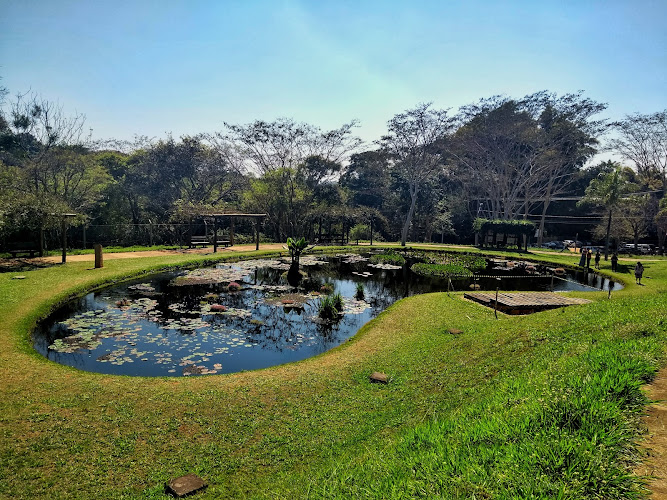
The Bauru Municipal Botanical Garden is one of those places that quietly wins you over. It’s not flashy, it doesn’t try to impress with big monuments or manicured flower beds everywhere. Instead, it leans into what it does best: protecting a chunk of native forest and marshland right inside the city, and letting visitors experience it at their own pace. If you like nature that feels a bit raw, a bit honest, this garden hits the mark.
Walking through the trails, you’ll notice how the sounds change. City noise fades out, replaced by birds, insects, and that subtle rustling you only hear in preserved green areas. I remember visiting on a weekday morning once, expecting it to be busy, and instead finding long stretches of trail where it was just me, the trees, and the occasional jogger passing with a nod. That kind of calm is rare in urban Brazil, and it’s something travelers often don’t realize they’re craving until they’re already there.
The garden functions as a nature preserve first and a tourist attraction second, and honestly, that’s its biggest strength. Native trees dominate the landscape, many of them part of the original ecosystem of the region. There are marshy sections too, which attract different plant species and a surprising amount of wildlife. Don’t expect animals to perform on cue, though. This isn’t a zoo. But if you slow down, you’ll spot birds, small mammals, and a whole parade of insects doing their thing.
Seasonal blooms add a nice layer of unpredictability. Some months, the trails feel green and understated. Other times, color suddenly pops up along the path, and you catch yourself stopping more often for photos. And yes, people do bring picnic blankets, especially families on weekends. There’s a relaxed, local vibe to it, not the rushed energy you sometimes feel at major attractions.
It’s also worth saying that the garden isn’t perfect. Some paths feel a bit uneven, and signage can be minimal in spots. But that’s part of its character. It feels lived-in and real, not overproduced. Travelers who enjoy places with a bit of personality tend to appreciate that.
Key Features
- Protected native forest and marshland, preserving regional biodiversity
- Walking and hiking trails suitable for casual strolls or longer walks
- Seasonal blooms that change the scenery throughout the year
- Designated picnic-friendly areas popular with families and couples
- Wheelchair-accessible entrance, parking, and restrooms
- Cycling lanes that integrate smoothly with pedestrian areas
- Kid-friendly hikes and a playground that actually gets used
- Public restrooms available inside the garden
- Sidewalks that make navigation easier for all ages
Best Time to Visit
Timing your visit to the Bauru Municipal Botanical Garden can make a real difference in how you experience it. Early mornings are golden. The light is softer, the air is cooler, and wildlife seems a bit more active. If you’re the kind of traveler who likes quiet moments and good photos without crowds sneaking into the frame, aim for opening hours.
Late afternoons are a close second, especially if you enjoy warmer light and a more social atmosphere. Families tend to arrive then, kids heading for the playground while adults claim shady spots for conversation. It feels communal in a good way, like a shared backyard for the city.
As for seasons, spring and early summer bring the most noticeable blooms. That’s when the garden feels extra alive, with colors popping up along trails and near marshy areas. But there’s something to be said for visiting during quieter months too. The greenery might be more subdued, but the sense of space and calm increases.
Rainy days are a bit of a gamble. Light rain can make the forest smell incredible, earthy and fresh, but heavier rain turns some trails muddy. I learned that the hard way once, slipping slightly and laughing it off while trying to save my phone. So, check the forecast, and if it’s been raining for days, maybe wait it out.
How to Get There
Getting to the Bauru Municipal Botanical Garden is straightforward, even if you’re not familiar with the city. It’s located within the urban area, which means you don’t need a long journey or complicated planning. Most travelers reach it by car or rideshare, and navigation apps generally get you close without drama.
If you’re relying on public transport, buses serve nearby routes, though you may need to walk a short distance depending on where you’re coming from. That walk is usually pleasant, especially if you enjoy seeing everyday city life rather than just hopping from attraction to attraction.
Cyclists will appreciate the cycling lanes connected to the garden. It’s actually one of the nicer ways to arrive, rolling in slowly and transitioning straight from street to nature. And if you’re staying relatively close, walking is also an option, just make sure you’ve got comfortable shoes. Bauru heat has a way of sneaking up on you.
Parking is available and generally manageable, even on busier days. But weekends can fill up faster, so arriving earlier saves you that small but annoying stress.
Tips for Visiting
First tip, and I say this as someone who learned the hard way: wear proper shoes. Even though there are sidewalks and accessible paths, plenty of trails are natural and uneven. Flip-flops might work for a quick stroll, but if you plan to explore, sneakers are your friend.
Bring water. It sounds obvious, but people still forget. Walking trails plus warm weather equals thirst, and while the garden is well-equipped in many ways, you don’t want to cut your visit short because you’re dehydrated.
If you’re traveling with kids, plan some flexibility. The playground is a big draw, and once children latch onto it, convincing them to continue hiking can be… challenging. I’ve seen more than one parent negotiate trail time in exchange for playground minutes.
For photography lovers, patience pays off. Don’t rush. Stop, listen, look around. Birds and small animals reveal themselves when you slow down. And if you’re into plant life, take time to notice textures and shapes, not just colors. The garden rewards curiosity.
Accessibility is thoughtfully handled, but it’s still smart to check conditions on the day of your visit, especially after rain. Wheelchair-accessible areas are well-marked, yet nature always has the final say.
Picnicking is allowed and encouraged, but keep it respectful. Take your trash with you, avoid feeding wildlife, and remember that this is a protected area first. That balance between enjoyment and preservation is what keeps the place special.
Lastly, manage your expectations in the best way possible. This isn’t a polished botanical showcase with labeled beds everywhere. It’s a living, breathing green space that prioritizes conservation. If you approach it with curiosity rather than a checklist, you’ll likely leave feeling lighter than when you arrived. And honestly, that’s the kind of souvenir that sticks with you long after the trip ends.
Key Features
- Protected native forest and marshland, preserving regional biodiversity
- Walking and hiking trails suitable for casual strolls or longer walks
- Seasonal blooms that change the scenery throughout the year
- Designated picnic-friendly areas popular with families and couples
- Wheelchair-accessible entrance, parking, and restrooms
- Cycling lanes that integrate smoothly with pedestrian areas
- Kid-friendly hikes and a playground that actually gets used
- Public restrooms available inside the garden
More Details
Updated December 31, 2025
Table of Contents
Description
The Bauru Municipal Botanical Garden is one of those places that quietly wins you over. It’s not flashy, it doesn’t try to impress with big monuments or manicured flower beds everywhere. Instead, it leans into what it does best: protecting a chunk of native forest and marshland right inside the city, and letting visitors experience it at their own pace. If you like nature that feels a bit raw, a bit honest, this garden hits the mark.
Walking through the trails, you’ll notice how the sounds change. City noise fades out, replaced by birds, insects, and that subtle rustling you only hear in preserved green areas. I remember visiting on a weekday morning once, expecting it to be busy, and instead finding long stretches of trail where it was just me, the trees, and the occasional jogger passing with a nod. That kind of calm is rare in urban Brazil, and it’s something travelers often don’t realize they’re craving until they’re already there.
The garden functions as a nature preserve first and a tourist attraction second, and honestly, that’s its biggest strength. Native trees dominate the landscape, many of them part of the original ecosystem of the region. There are marshy sections too, which attract different plant species and a surprising amount of wildlife. Don’t expect animals to perform on cue, though. This isn’t a zoo. But if you slow down, you’ll spot birds, small mammals, and a whole parade of insects doing their thing.
Seasonal blooms add a nice layer of unpredictability. Some months, the trails feel green and understated. Other times, color suddenly pops up along the path, and you catch yourself stopping more often for photos. And yes, people do bring picnic blankets, especially families on weekends. There’s a relaxed, local vibe to it, not the rushed energy you sometimes feel at major attractions.
It’s also worth saying that the garden isn’t perfect. Some paths feel a bit uneven, and signage can be minimal in spots. But that’s part of its character. It feels lived-in and real, not overproduced. Travelers who enjoy places with a bit of personality tend to appreciate that.
Key Features
- Protected native forest and marshland, preserving regional biodiversity
- Walking and hiking trails suitable for casual strolls or longer walks
- Seasonal blooms that change the scenery throughout the year
- Designated picnic-friendly areas popular with families and couples
- Wheelchair-accessible entrance, parking, and restrooms
- Cycling lanes that integrate smoothly with pedestrian areas
- Kid-friendly hikes and a playground that actually gets used
- Public restrooms available inside the garden
- Sidewalks that make navigation easier for all ages
Best Time to Visit
Timing your visit to the Bauru Municipal Botanical Garden can make a real difference in how you experience it. Early mornings are golden. The light is softer, the air is cooler, and wildlife seems a bit more active. If you’re the kind of traveler who likes quiet moments and good photos without crowds sneaking into the frame, aim for opening hours.
Late afternoons are a close second, especially if you enjoy warmer light and a more social atmosphere. Families tend to arrive then, kids heading for the playground while adults claim shady spots for conversation. It feels communal in a good way, like a shared backyard for the city.
As for seasons, spring and early summer bring the most noticeable blooms. That’s when the garden feels extra alive, with colors popping up along trails and near marshy areas. But there’s something to be said for visiting during quieter months too. The greenery might be more subdued, but the sense of space and calm increases.
Rainy days are a bit of a gamble. Light rain can make the forest smell incredible, earthy and fresh, but heavier rain turns some trails muddy. I learned that the hard way once, slipping slightly and laughing it off while trying to save my phone. So, check the forecast, and if it’s been raining for days, maybe wait it out.
How to Get There
Getting to the Bauru Municipal Botanical Garden is straightforward, even if you’re not familiar with the city. It’s located within the urban area, which means you don’t need a long journey or complicated planning. Most travelers reach it by car or rideshare, and navigation apps generally get you close without drama.
If you’re relying on public transport, buses serve nearby routes, though you may need to walk a short distance depending on where you’re coming from. That walk is usually pleasant, especially if you enjoy seeing everyday city life rather than just hopping from attraction to attraction.
Cyclists will appreciate the cycling lanes connected to the garden. It’s actually one of the nicer ways to arrive, rolling in slowly and transitioning straight from street to nature. And if you’re staying relatively close, walking is also an option, just make sure you’ve got comfortable shoes. Bauru heat has a way of sneaking up on you.
Parking is available and generally manageable, even on busier days. But weekends can fill up faster, so arriving earlier saves you that small but annoying stress.
Tips for Visiting
First tip, and I say this as someone who learned the hard way: wear proper shoes. Even though there are sidewalks and accessible paths, plenty of trails are natural and uneven. Flip-flops might work for a quick stroll, but if you plan to explore, sneakers are your friend.
Bring water. It sounds obvious, but people still forget. Walking trails plus warm weather equals thirst, and while the garden is well-equipped in many ways, you don’t want to cut your visit short because you’re dehydrated.
If you’re traveling with kids, plan some flexibility. The playground is a big draw, and once children latch onto it, convincing them to continue hiking can be… challenging. I’ve seen more than one parent negotiate trail time in exchange for playground minutes.
For photography lovers, patience pays off. Don’t rush. Stop, listen, look around. Birds and small animals reveal themselves when you slow down. And if you’re into plant life, take time to notice textures and shapes, not just colors. The garden rewards curiosity.
Accessibility is thoughtfully handled, but it’s still smart to check conditions on the day of your visit, especially after rain. Wheelchair-accessible areas are well-marked, yet nature always has the final say.
Picnicking is allowed and encouraged, but keep it respectful. Take your trash with you, avoid feeding wildlife, and remember that this is a protected area first. That balance between enjoyment and preservation is what keeps the place special.
Lastly, manage your expectations in the best way possible. This isn’t a polished botanical showcase with labeled beds everywhere. It’s a living, breathing green space that prioritizes conservation. If you approach it with curiosity rather than a checklist, you’ll likely leave feeling lighter than when you arrived. And honestly, that’s the kind of souvenir that sticks with you long after the trip ends.

Key Highlights
- Protected native forest and marshland, preserving regional biodiversity
- Walking and hiking trails suitable for casual strolls or longer walks
- Seasonal blooms that change the scenery throughout the year
- Designated picnic-friendly areas popular with families and couples
- Wheelchair-accessible entrance, parking, and restrooms
- Cycling lanes that integrate smoothly with pedestrian areas
- Kid-friendly hikes and a playground that actually gets used
- Public restrooms available inside the garden
Location
Places to Stay Near Bauru Municipal Botanical Garden
Find and Book a Tour
Explore More Travel Guides
No reviews found! Be the first to review!
Traveler Reviews for Bauru Municipal Botanical Garden
There are no reviews yet. Be the first one to write one.
Have you visited Bauru Municipal Botanical Garden? Help other travelers by sharing your review.
Find Accommodations Nearby
Recommended Tours & Activities
Visitor Reviews
There are no reviews yet. Be the first one to write one.
Share Your Experience
Have you visited Bauru Municipal Botanical Garden? Help other travelers by leaving a review.