
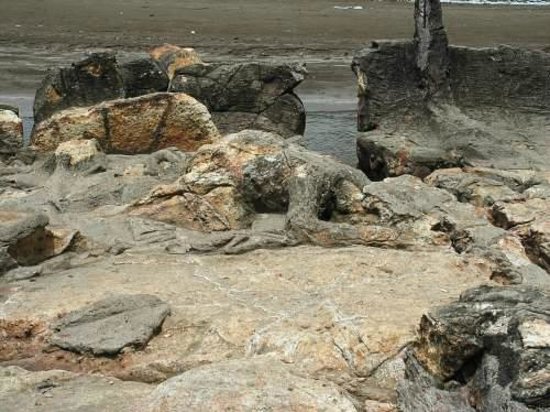
Batu Malin Kundang
About Batu Malin Kundang
Description
Batu Malin Kundang, perched on the sands of Air Manis Beach in West Sumatra, is more than just a rock formation – it’s a living story carved by folklore and the sea. Travelers who come here are often drawn by the legend of Malin Kundang, the ungrateful son who, according to local tales, was turned into stone after denying his mother. The rock itself, shaped uncannily like a kneeling figure, has become both a cultural landmark and a reminder of values deeply rooted in Indonesian tradition.
The site feels both mystical and grounded at the same time. On one hand, you’re standing in front of a natural formation that has inspired generations. On the other, you’re on a breezy beach with waves rolling in and kids running around, laughing and playing. Some visitors find the stone haunting, others see it as a quirky photo stop, but nearly everyone agrees it leaves an impression. Personally, I remember standing there and thinking about my own mom – and how annoyed she’d be if I ever acted like Malin. It’s one of those places that makes you reflect without trying too hard.
Facilities at the site are simple. There are restrooms, but don’t expect luxury. Payments are cash-only, so bring small bills. It’s also worth noting that accessibility is limited; the entrance and parking aren’t wheelchair-friendly. That said, families often bring their children, and the beach atmosphere makes it a relaxed place to spend an afternoon. The vibe is somewhere between a cultural pilgrimage and a casual outing, which is probably why opinions about the site vary. Some folks are awestruck, others shrug it off, but that’s part of the charm.
Key Features
- A rock formation resembling a man, tied to the famous West Sumatran folktale of Malin Kundang
- Located directly on Air Manis Beach, offering scenic coastal views
- Strong cultural significance as a symbol of filial piety and respect
- Popular spot for storytelling, photography, and family visits
- Basic amenities available, including restrooms and small local vendors
- Cash-only transactions, so travelers should prepare local currency
Best Time to Visit
The best time to visit Batu Malin Kundang is during the dry season, roughly from May to September. The skies are usually clearer, the sea calmer, and the beach more pleasant for walking. I made the mistake of going once in the rainy season – let’s just say mud and flip-flops don’t mix well. If you’re into photography, mornings and late afternoons are golden; the light hits the rock in a way that makes it pop against the backdrop of the ocean. Midday can be harsh, both in terms of lighting and heat, so bring a hat if you’re venturing out then.
Weekdays are quieter, while weekends can get busy with local families. And honestly, watching kids play around while their parents retell the legend adds to the atmosphere. If you’re after a more reflective experience, aim for early morning when the beach is still waking up.
How to Get There
Reaching Batu Malin Kundang usually starts from Padang, the capital of West Sumatra. From the city center, it’s about a 30-minute drive to Air Manis Beach. Taxis and ride-hailing apps are common, though I’ve found negotiating with local drivers can sometimes be cheaper if you’re up for the challenge. Once you’re near the beach, you’ll need to walk a short distance to the actual rock formation. The path isn’t difficult, but it can be sandy and uneven, so wear comfortable shoes.
Some travelers prefer joining a local tour since guides often share versions of the Malin Kundang story that you wouldn’t find in books. I personally enjoyed hearing the tale told with little dramatic pauses and gestures – it felt like theater on the beach. If you’re driving yourself, parking is available, though limited, and remember it’s cash-only.
Tips for Visiting
Here are a few things I wish I’d known before my first visit:
- Bring cash – there are no card facilities, and even small snacks or souvenirs require cash.
- Wear sturdy footwear – the sand and rocks can be tricky, especially if it’s wet.
- Plan for shade – there isn’t much cover, so sunscreen, hats, or even a small umbrella go a long way.
- Respect the site – locals take the legend seriously, so avoid climbing on the rock or treating it like a playground.
- Combine it with other stops – Air Manis Beach itself is beautiful, and nearby attractions make for a full day trip.
- Go with an open mind – some visitors expect a grand monument, but the beauty here lies in the story and the setting, not just the rock itself.
And one last thing: don’t rush. Sit down, watch the waves, maybe grab a coconut from a vendor, and let the place sink in. Batu Malin Kundang isn’t about ticking off a checklist; it’s about experiencing a story that has been passed down for centuries. If you give it time, it’ll leave you with more than just photos – it’ll give you a memory that sticks.
Key Features
- A rock formation resembling a man, tied to the famous West Sumatran folktale of Malin Kundang
- Located directly on Air Manis Beach, offering scenic coastal views
- Strong cultural significance as a symbol of filial piety and respect
- Popular spot for storytelling, photography, and family visits
- Basic amenities available, including restrooms and small local vendors
- Cash-only transactions, so travelers should prepare local currency
More Details
Updated September 30, 2025
Table of Contents
Description
Batu Malin Kundang, perched on the sands of Air Manis Beach in West Sumatra, is more than just a rock formation – it’s a living story carved by folklore and the sea. Travelers who come here are often drawn by the legend of Malin Kundang, the ungrateful son who, according to local tales, was turned into stone after denying his mother. The rock itself, shaped uncannily like a kneeling figure, has become both a cultural landmark and a reminder of values deeply rooted in Indonesian tradition.
The site feels both mystical and grounded at the same time. On one hand, you’re standing in front of a natural formation that has inspired generations. On the other, you’re on a breezy beach with waves rolling in and kids running around, laughing and playing. Some visitors find the stone haunting, others see it as a quirky photo stop, but nearly everyone agrees it leaves an impression. Personally, I remember standing there and thinking about my own mom – and how annoyed she’d be if I ever acted like Malin. It’s one of those places that makes you reflect without trying too hard.
Facilities at the site are simple. There are restrooms, but don’t expect luxury. Payments are cash-only, so bring small bills. It’s also worth noting that accessibility is limited; the entrance and parking aren’t wheelchair-friendly. That said, families often bring their children, and the beach atmosphere makes it a relaxed place to spend an afternoon. The vibe is somewhere between a cultural pilgrimage and a casual outing, which is probably why opinions about the site vary. Some folks are awestruck, others shrug it off, but that’s part of the charm.
Key Features
- A rock formation resembling a man, tied to the famous West Sumatran folktale of Malin Kundang
- Located directly on Air Manis Beach, offering scenic coastal views
- Strong cultural significance as a symbol of filial piety and respect
- Popular spot for storytelling, photography, and family visits
- Basic amenities available, including restrooms and small local vendors
- Cash-only transactions, so travelers should prepare local currency
Best Time to Visit
The best time to visit Batu Malin Kundang is during the dry season, roughly from May to September. The skies are usually clearer, the sea calmer, and the beach more pleasant for walking. I made the mistake of going once in the rainy season – let’s just say mud and flip-flops don’t mix well. If you’re into photography, mornings and late afternoons are golden; the light hits the rock in a way that makes it pop against the backdrop of the ocean. Midday can be harsh, both in terms of lighting and heat, so bring a hat if you’re venturing out then.
Weekdays are quieter, while weekends can get busy with local families. And honestly, watching kids play around while their parents retell the legend adds to the atmosphere. If you’re after a more reflective experience, aim for early morning when the beach is still waking up.
How to Get There
Reaching Batu Malin Kundang usually starts from Padang, the capital of West Sumatra. From the city center, it’s about a 30-minute drive to Air Manis Beach. Taxis and ride-hailing apps are common, though I’ve found negotiating with local drivers can sometimes be cheaper if you’re up for the challenge. Once you’re near the beach, you’ll need to walk a short distance to the actual rock formation. The path isn’t difficult, but it can be sandy and uneven, so wear comfortable shoes.
Some travelers prefer joining a local tour since guides often share versions of the Malin Kundang story that you wouldn’t find in books. I personally enjoyed hearing the tale told with little dramatic pauses and gestures – it felt like theater on the beach. If you’re driving yourself, parking is available, though limited, and remember it’s cash-only.
Tips for Visiting
Here are a few things I wish I’d known before my first visit:
- Bring cash – there are no card facilities, and even small snacks or souvenirs require cash.
- Wear sturdy footwear – the sand and rocks can be tricky, especially if it’s wet.
- Plan for shade – there isn’t much cover, so sunscreen, hats, or even a small umbrella go a long way.
- Respect the site – locals take the legend seriously, so avoid climbing on the rock or treating it like a playground.
- Combine it with other stops – Air Manis Beach itself is beautiful, and nearby attractions make for a full day trip.
- Go with an open mind – some visitors expect a grand monument, but the beauty here lies in the story and the setting, not just the rock itself.
And one last thing: don’t rush. Sit down, watch the waves, maybe grab a coconut from a vendor, and let the place sink in. Batu Malin Kundang isn’t about ticking off a checklist; it’s about experiencing a story that has been passed down for centuries. If you give it time, it’ll leave you with more than just photos – it’ll give you a memory that sticks.
Key Highlights
- A rock formation resembling a man, tied to the famous West Sumatran folktale of Malin Kundang
- Located directly on Air Manis Beach, offering scenic coastal views
- Strong cultural significance as a symbol of filial piety and respect
- Popular spot for storytelling, photography, and family visits
- Basic amenities available, including restrooms and small local vendors
- Cash-only transactions, so travelers should prepare local currency
Location
Places to Stay Near Batu Malin Kundang
Find and Book a Tour
Explore More Travel Guides
No reviews found! Be the first to review!
Traveler Reviews for Batu Malin Kundang
There are no reviews yet. Be the first one to write one.
Have you visited Batu Malin Kundang? Help other travelers by sharing your review.
You Might Also Like
Panjang Beach
Holtekamp Beach

Bromo Tengger Semeru National Park
Find Accommodations Nearby
Recommended Tours & Activities
Visitor Reviews
There are no reviews yet. Be the first one to write one.
Share Your Experience
Have you visited Batu Malin Kundang? Help other travelers by leaving a review.