Description
I wandered these halls on a hot afternoon (thankfully, the cool stone interiors are a welcome break from Tunisia’s summer sun) and, honestly, lost track of time gawking at all the intricate tile work. They say a picture is worth a thousand words, but these mosaics speak in surprisingly fresh detail, and I found myself imagining the people who once walked on them, now immortalized in scenes of mythology, daily chores, wild hunts—even some pretty cheeky romance.
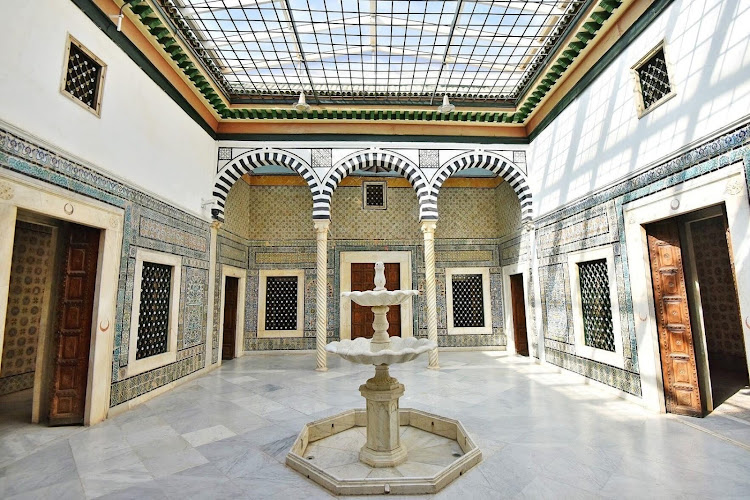
And here’s the thing most guidebooks miss: it’s not just about the mosaics! The Bardo’s collection is genuinely sweeping. You’ll see relics from ancient Carthage, Islamic art, Punic jewelry, statues, pottery, coins, and a smattering of “wow, how’d they even move that into here?” type objects. All nestled within a lavish palace once home to Tunisian royalty, with highly photogenic ceilings (seriously, look up!) and dazzling architecture at every turn.
Now, I won’t pretend every single display is mind-blowing or perfectly labeled (a few dusty corners and faded signs exist—it’s a living, breathing museum, warts and all), but the overall impression is just unbeatable, especially if you love stories about the ancient world. And parents: I saw plenty of wide-eyed kids marveling at epic battle scenes and ancient monsters—so yes, it’s absolutely family-friendly.
Key Features
- The Largest Collection of Roman Mosaics Worldwide: From scenes of myth and gladiators to everyday life in ancient North Africa, some are so huge you can’t capture them in a single photo (I tried, good luck).
- Exquisite Palatial Setting: The museum itself is a masterpiece, featuring grand halls, detailed woodwork, and historical ambiance that’s half the magic.
- Carthaginian and Islamic Artifacts: Marvel at finds from the fabled city of Carthage—statues, stelae, jewelry—and an array of Islamic ceramics and calligraphy.
- Wheelchair Accessibility: Step-free entrances and restrooms mean everyone is welcome. Seriously, this is a huge plus—I wish every historic site was this thoughtful.
- Kid-Friendly Atmosphere: There are jaw-dropping visuals and enough ancient drama to capture most kids’ imaginations (though hands-on stuff is minimal—just a heads up, parents!).
- A Glimpse into Tunisia’s Rich Layers of History: The Bardo dives deep. You’ll find remnants from Phoenician, Roman, Byzantine, and Islamic periods, all in one space.
- Onsite Facilities: Clean restrooms and plenty of staff around to answer your questions (though, bring your own snacks as there’s no restaurant inside).
Best Time to Visit
Let’s be honest: Tunis can get seriously sweltering, especially in July and August when the midday sun turns the city into a shimmering mirage. If you want to truly enjoy the Bardo Museum (read: soak it in without dripping sweat or fighting crowds), I’d vote for the shoulder seasons—spring (March to May) or early autumn (late September through November). Mornings are especially peaceful. Plus, in these off-peak periods, you might just have a grand gallery or two nearly to yourself.
I visited on a late May weekday, and honestly, it felt like a private tour at times, pausing to soak in one jaw-dropping mosaic after another without jostling elbows. Summers do see more school groups and tourists, so if you hate crowds, avoid late mornings and afternoons in June–August.
And here’s a little secret: rainy days are perfect for museum wandering. Tunisia doesn’t get much rain, but if you’re unlucky with the weather—lucky you! You’ve got the ideal excuse to linger indoors and soak up centuries of stories instead.
How to Get There
So, you want the inside scoop on getting to the Bardo National Museum? Great! You’ve got options.
By Light Rail/Metro: Take the Tunis light rail (the TGM—or Metro Leger). The Bardo stop is the one you want—it’s just a short walk to the main entrance. Trust me, it’s a breeze and probably the most efficient, tourist-proof way to reach the museum. Plus, the trains are comparatively clean and timely by North African standards.
By Taxi: Tunisian “yellow taxis” are plentiful. Make sure the meter is running to avoid haggling woes. Just say “Bardo Museum”, and most drivers know exactly where to drop you—though my cabbie last time, hammering the dashboard and singing loudly, needed three tries to find the entrance. That’s half the fun!
By Car: There’s parking on site—which sounds great, until you hit mid-day. It fills up, so come early if you’re driving. The museum is located in a somewhat busy government district, so expect a little traffic and a dash of Tunisian driving chaos.
By Bus: There are public buses—true—but unless you’re truly adventurous or keen to join students and commuters for a bumpy ride, I’d stick with the metro or a taxi for comfort and ease.
Tips for Visiting
Alright, time for my advice (from both experience and a few “wish I’d known” moments):
1. Give Yourself Time—Really: The Bardo is sprawling. You can skim it in 90 minutes, but you’ll enjoy it much more if you budget 2–3 hours. I lost track of time somewhere in the Carthaginian gallery and almost missed my lunch reservation—oops.
2. Mind the Language Mix: Most signs are in French and Arabic. A few have English translations, but not all. If you don’t get by in French, I’d suggest brushing up or grabbing a guidebook. That said, the visuals speak volumes: mosaics don’t need translation.
3. Guided Tours – Worth Considering: The stories behind some pieces are jaw-dropping, but you wouldn’t know unless you get some context. Guides hover near the entrance or can be arranged at the ticket desk. I eavesdropped on one, and it made me wish I’d signed up—so yes, it’s worth it.
4. Accessibility is a Plus: Wheelchair users, rejoice: there are ramps, accessible bathrooms, and friendly staff ready to assist. Not perfect, but far better than many historic sites.
5. Camera-Friendly (Mostly): Bring your camera or smartphone, because these mosaics photograph beautifully. Flash is a no-no, and a few galleries ask you to put away cameras, but overall—snap away. My only regret: I wish I’d brought a wide-angle lens. Some mosaics are enormous.
6. Keep Kids Engaged: Kids can be wowed by monster battles, sea gods, and dramatic scenes. But, full disclosure—the museum can be a bit “look, don’t touch,” so have stories or games ready to spice up the tour for little ones.
7. Stay Hydrated and Snack Wisely: No café onsite, and while restrooms are clean, you’ll need to bring your own water and light snacks. There’s a small shop for the odd souvenir, but that’s about it. Eat before you come, or have something handy for hungry moments.
8. Don’t Miss the Palace Ceilings: I almost walked out without ever looking up. Huge mistake! The painted and sculpted ceilings are as magnificent as any artwork below. Seriously, craning your neck is worth it.
And a final thought: the Bardo Museum isn’t just a collection of old stuff. It’s an epic story, told through art and relics, that captures the astonishing range of cultures that have shaped Tunisia. Whether you’re a die-hard history lover or just vaguely interested, trust me: this place makes ancient history feel stunningly alive. You might even leave, like I did, feeling just a little more connected to the wild sweep of time. And that’s something rare, these days.