
Bangla Bazaar shampan ghat
About Bangla Bazaar shampan ghat
Bangla Bazaar Shampan Ghat, Chattogram — A Working Riverfront Where Sampans Still Matter
Bangla Bazaar Shampan Ghat is a small, workaday landing point on the north bank of the Karnaphuli River in Chattogram (Chittagong), Bangladesh. It sits around 22.3202758, 91.8177823 (plus code 8RC9+447), in the Bangla Bazar area—part of the riverfront that feeds the country’s busiest seaport and one of its most storied waterways.
### Why it’s interesting
“Shampan/Sampan” boats—distinctive, high-prow wooden craft—are a cultural emblem of Chattogram’s coast and the Karnaphuli delta. They’ve long served for near-shore fishing, river crossings, and lighterage (moving cargo between big ships and shore). Local media and cultural inventories repeatedly cite the sampan as a heritage boat of the Chattogram region, and recent community events (including sampan races) have highlighted both pride in the tradition and concern for the river’s health. Business Standard
This specific ghat (river landing) is part of that everyday rhythm: small passenger boats and cargo lighterage move through the Karnaphuli, and “Bangla Bazar Ghat” shows up in reporting about river traffic, lighter vessels heading in from the outer harbor, and occasional local disruptions (e.g., strikes) that underscore how vital these crossings are for commuters on both banks. Tribune
—
## Quick Facts
– Location: Bangla Bazar area, Chattogram city, on the Karnaphuli River. Plus code 8RC9+447 is a workable map pin.
– What you’ll see: Working boats (including traditional sampans) and lighter craft moving cargo; anchored vessels often visible up and downriver. Images
– Cultural context: The sampan is widely regarded as an icon of Chattogram’s maritime heritage; festivals and boat races (“Sampan Baich”) are occasionally staged along the Karnaphuli to promote river stewardship. Business Standard
> Data note: Some travel-listing sites label the spot “open 24/7.” That reflects a public riverside/working ghat rather than formal visitor hours; there is no official museum-style schedule. Plan your visit in daylight for safety and better views.
—
## What to Look For (and Photograph)
### 1) The boat forms
Sampans here (and along the Chattogram coast) tend to have curved, upturned prows designed for surf and chop. Even when you don’t catch a pure traditional build, you’ll see the lineage in working hulls moving people and goods. If you’re building a visual story on regional craft, this is prime ground truth. Business Standard
Photo tip: Position yourself slightly upriver or downriver from the stairs/slipway to capture diagonal motion across frame with the city backdrop. Golden hour helps, but anticipate strong contrast off the water—use exposure compensation and a faster shutter for moving hulls.
### 2) The cargo choreography
Reports and images place many anchored or transiting vessels around Bangla Bazar Ghat—evidence of the Karnaphuli’s role bridging outer harbor and city jetties. On busy days you’ll see an ever-changing skyline of cranes, barges, and lighter boats—useful for documentary, industrial, or maritime photography. Images
### 3) River life & events
Keep an eye on local news for sampan races (often near Abhoymitra/Abhayamitra Ghat) and awareness processions that call attention to pollution and encroachment issues on the Karnaphuli. These make compelling human-environment stories if your timing aligns. Business Standard
—
## Practical Visiting Advice
### Getting there
– Use the plus code 8RC9+447 (Bangla Bazar, Chattogram) to navigate. Several online maps index “Bangla Bazar” nearby; expect a dense urban fabric with narrow access streets leading to the river.
– The Karnaphuli corridor is logistics-heavy; pedestrian space can be tight. Expect trucks, rickshaws, and port traffic patterns.
### Timing
– Daylight hours are best for situational awareness and photography. While locals pass through at all times, maritime activity and river visibility peak from early morning to late afternoon.
– If your aim is to see more boats moving, align with port working rhythms (weekdays) and fair weather. (There is no published “show schedule”—this is a working ghat.)
### Safety & etiquette
– Mind the waterline. Ghats can be slick; maintain distance from the edge, especially when larger vessels throw wash.
– Ask before photographing people at close range. Working boatmen and porters are on the clock.
– Respect closures or strikes. Local outlets have documented past sampan/boat strikes at Bangla Bazar Ghat; if services pause, don’t attempt informal crossings. New Nation
### Environmental reality
– Recent community events in Chattogram spotlight pollution and encroachment on the Karnaphuli and use sampan races to raise awareness. It’s part of the story you’ll witness from the ghat: a vital river under pressure. Business Standard
—
## Context: Why “Sampan” Is More Than a Boat Here
– Heritage status in narrative and practice. Cultural registries and features emphasize sampans as traditional Chattogram boats used for transport and fishing—still present in daily life even as fiberglass and engines change the silhouette.
– Iconography. Media call the sampan an iconic symbol of Chattogram—akin to Mezban feasts and local shrines in representing the city’s identity. For travelers, seeing them in action at a working ghat adds depth beyond beach postcards. Business Standard
—
## Nearby & Related (for itinerary builders)
– Karnaphuli Riverfront: The river itself is the thread connecting the port, markets, and inland hills. Background reading and traveler commentary consistently note its outsized role in Chattogram’s history and economy.
– Port observation points: News about lighter jetties and cargo flows helps you understand where and why certain stretches feel busier; it’s useful context if you’re scouting industrial photography or reporting. Business Standard
—
## Accessibility & Inclusivity Notes
– Surface conditions: Expect uneven steps and occasional mud at the waterline; there may be limited handrails. If you have mobility concerns, bring a companion and plan extra time to find the gentlest approach. (There’s no official ADA-style infrastructure published for this site.)
– Restrooms & seating: Not guaranteed at the ghat. Plan breaks around nearby markets or mosques (e.g., Bangla Bazar/Majhirghat area hosts local facilities, though availability and accessibility vary).
– Women & solo travelers: Daytime visits with clear exit routes are advisable. As always, dress with local norms in mind and avoid crowding near loading points.
—
## Photography & Fieldwork Checklist
– Lens: 24–70mm for context; 70–200mm to compress boats against the skyline.
– Filters: Circular polarizer to tame glare on water; ND if you want motion blur trails.
– Audio: If you’re documenting, capture ambient sound—hammering on hulls, engine sputter, river slap—core to the sense of place.
– Permissions: For interviews with boatmen or loaders, seek consent and keep it short—they’re working.
—
## What’s Changing (and how to verify)
– Event-driven fluctuations: Boat races, strikes, or port directives can shift activity patterns at short notice. Local news in Chattogram regularly covers sampan processions, safety incidents, and port traffic updates; check Bengali- and English-language outlets before you go. Tribune
– Listings vs. ground truth: Aggregator pages list the ghat with “open 24/7,” but that’s not an official schedule; treat it as a public place whose activity follows port and commuter rhythms.
—
## Essential Summary
Bangla Bazaar Shampan Ghat is not a packaged attraction—it’s a slice of Chattogram’s working waterfront where you can read the city’s identity in wood, water, and tide. Go for the boats, the cargo choreography, and the heritage the sampan still carries. Use the 8RC9+447 plus code, aim for daylight, and give space to the people whose livelihoods run through this river gate. The Karnaphuli is the throughline; understanding its role is the key to understanding what you’ll see at the ghat.
—
Factuality & freshness checks: location and plus code verified via mapping/listing sources; heritage/cultural status and river-health events corroborated by reputable Bangladeshi outlets and cultural inventories; notes about strikes/incidents and lighter-vessel traffic drawn from local news reports. Where opening hours are shown by aggregators, they’re flagged as non-official.
Key Features
Bangla Bazaar shampan ghat
You Might Also Like

1971 : Genocide-Torture Archive & Museum

Abi River Park
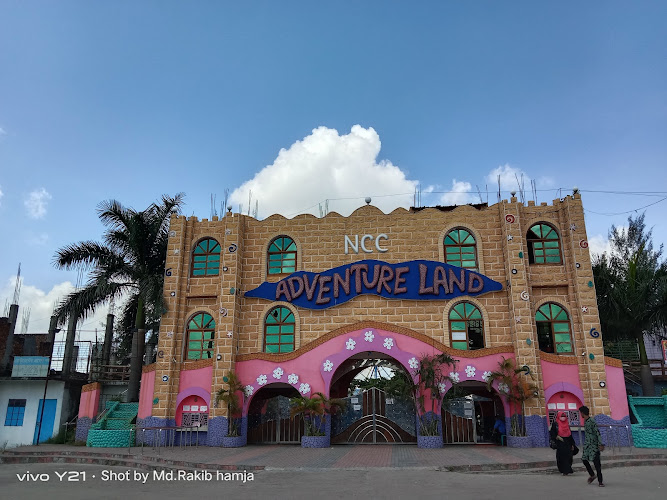
Adventure Land Park
Tours & Activities
GetYourGuide provides this tour inventory. We may earn a commission if you book through it; verify current availability, prices, and terms with the provider.
Visitor Reviews
There are no reviews yet. Be the first one to write one.
Share Your Experience
Have you visited Bangla Bazaar shampan ghat? Help other travelers by leaving a review.