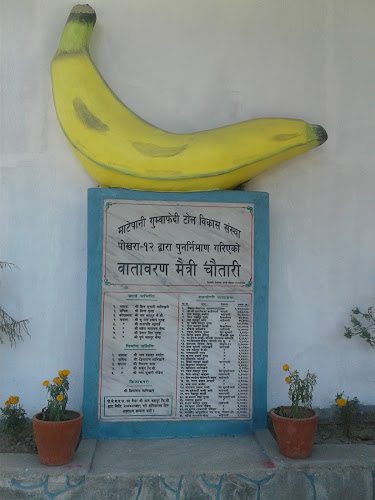
Description
A chautari, for those unfamiliar, is traditionally a resting place along paths where locals stop to chat, wait, or simply catch their breath. Banana chautari follows that tradition closely. It isn’t trying to be impressive, and that’s honestly part of its charm. There’s usually a simple seating area, often stone or wood, placed strategically where people naturally pass through. I remember sitting at a similar chautari years ago during a long walk, sharing roasted peanuts with a stranger who somehow knew my entire life story within ten minutes. Places like this have that effect.
Travelers often ask whether Banana chautari is “worth it.” And I think that question misses the point. It’s not a checklist attraction. It’s more like a chapter between chapters. You come here to rest your legs, let kids run around freely, watch daily life unfold, and maybe overhear conversations you don’t fully understand but somehow feel connected to anyway. If you’re traveling with children, this place makes sense—they can move around safely, explore the trees, and feel like they’ve discovered something on their own.
The atmosphere is generally calm, sometimes almost too quiet if you’re used to busy tourist spots. But then, without warning, someone shows up with groceries, another person stops to make a phone call, and suddenly the place feels alive in its own low-key way. It’s subtle, and you have to pay attention. Banana chautari rewards travelers who like observing more than doing.
What stood out to me personally was how uncurated it felt. No signboards explaining what to think. No fixed route telling you where to stand for photos. You sit where you want. You leave when you feel like it. That freedom is rare these days. And while it may not be the highlight of your trip in a dramatic sense, it often becomes one of those quiet memories that sticks with you longer than expected.
Best Time to Visit
The best time to visit Banana chautari is when the day isn’t in a hurry. Early morning and late afternoon work particularly well. In the morning, the air is cooler, and you’ll often see locals starting their routines—someone resting before heading off, children passing by, maybe a short chat before the day properly begins. It feels gentle, almost forgiving. I’ve always preferred mornings at places like this because you can sense the potential of the day without its exhaustion.
Late afternoon is another good window. The light softens, shadows stretch, and the chautari becomes a natural meeting point again. People stop by after work or errands, kids wander through, and conversations feel a bit looser. It’s also a better time if you’re traveling with children, as the heat is less intense and there’s more activity for them to watch.
Midday visits are possible, but they can feel a bit still, especially on hot days. The shade helps, sure, but the energy is lower. That said, if you’re the kind of traveler who enjoys quiet moments and doesn’t mind a bit of heat, midday can be peaceful in its own way. Just bring water. Seriously, always bring water. I’ve learned that lesson the hard way more than once.
Seasonally, drier months tend to be more comfortable, as rain can make the ground muddy and the seating less inviting. During wetter periods, though, the banana leaves look greener, fuller, and there’s a certain romance to the sound of rain hitting them. So it really depends on what kind of mood you’re chasing.
How to Get There
Getting to Banana chautari is usually straightforward, though it may require a bit of asking around, which honestly is half the fun. This isn’t the type of attraction plastered on big signs. Most travelers reach it as part of a walk or short local journey rather than a dedicated trip. If you’re already exploring nearby areas, it often appears almost unexpectedly, like a reward for wandering without a strict plan.
Public transport can get you close, depending on where you’re coming from, but the final stretch is typically done on foot. And that’s a good thing. Walking lets you absorb the surroundings, notice small details, and arrive in the right mindset. I always tell people that if you’re stressed by the time you reach a chautari, you’ve probably missed the point.
If you’re traveling with kids, the walk is manageable, but take it slow. Let them lead sometimes. They tend to notice things adults ignore, like interesting leaves or passing animals. Those moments become part of the experience, not a delay. And don’t be shy about asking locals for directions. In my experience, people are happy to point the way, often with more enthusiasm than accuracy—but you’ll get there.
For those using private vehicles, you’ll likely need to park a short distance away and walk in. This keeps the area quieter and more pleasant. Plus, arriving on foot feels more respectful to the spirit of the place.
Tips for Visiting
First tip: don’t over-plan. Banana chautari doesn’t need a schedule. Give yourself at least 20–30 minutes, and more if you’re enjoying yourself. Sit. Watch. Listen. Put your phone away for a bit. I know, easier said than done, but it’s worth it.
If you’re visiting with children, let them explore within reason. This is a safe, open environment, and kids tend to love the freedom. Bring snacks, though. There aren’t guaranteed vendors nearby, and hungry kids can change the mood fast. Trust me on that one.
Wear comfortable shoes. Even if the walk is short, uneven ground and natural paths are part of the experience. Also, carry water and maybe a light hat. The shade helps, but the weather can still surprise you.
Be respectful of locals using the chautari for its intended purpose. This isn’t a photo set. If you take pictures, do so quietly and without making others uncomfortable. A smile and a nod go a long way. Sometimes they even lead to a conversation, which is far more memorable than any photo.
And finally, manage your expectations. Banana chautari isn’t going to wow you with scale or spectacle. What it offers is subtler: a chance to rest, observe, and feel connected to a place beyond surface-level tourism. If you let it, it can ground you in the middle of your travels. And honestly, those are the moments I end up missing the most once the trip is over.
So when you’re mapping out your journey and looking for experiences that feel real, human, and slightly imperfect, keep Banana chautari in mind. It may not shout for your attention. But if you listen closely, it has a lot to say.