Archdiocesan Shrine of Jesus the Way, the Truth, and the Life
About Archdiocesan Shrine of Jesus the Way, the Truth, and the Life
Description
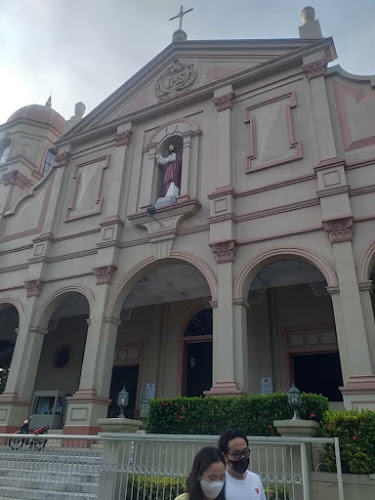
The Archdiocesan Shrine of Jesus the Way, the Truth, and the Life stands as a remarkable spiritual destination that draws both devout pilgrims and curious travelers from across the Philippines and beyond. This Catholic church has earned its place as a significant religious landmark, offering visitors a unique blend of architectural beauty, profound spiritual atmosphere, and cultural significance that goes beyond your typical church visit. What strikes most people when they first encounter this shrine is the genuine sense of peace that seems to permeate every corner of the property. I've visited numerous churches during my travels, and there's something different here – maybe it's the dedication evident in every detail, or perhaps the palpable devotion of the people who maintain and visit this sacred space. The shrine takes its name from John 14:6, where Jesus declares "I am the way, and the truth, and the life," and this biblical foundation truly shapes the entire experience of visiting. The architecture itself tells a story of faith meeting modern design sensibilities. Unlike some of the older baroque churches you'll find scattered throughout the country, this shrine represents a more contemporary approach to sacred spaces while still maintaining that essential reverence that makes a church feel like, well, a church. The designers clearly understood that spirituality and accessibility could coexist beautifully, which is why you'll find thoughtful features throughout that welcome visitors of all abilities. For travelers who appreciate religious tourism, this shrine offers an authentic glimpse into Filipino Catholic devotion. And let me tell you, there's nothing quite like experiencing Mass here when the church fills with local faithful. The sense of community worship is incredibly moving, even if you're just observing. But this place isn't just for the religiously inclined – architecture enthusiasts, photographers seeking meaningful subjects, and cultural explorers will all find something worthwhile here. The shrine complex provides more than just a main church building. You'll discover prayer gardens, meditation areas, and spaces designed specifically for contemplation and reflection. It's these thoughtful touches that transform a simple church visit into something more memorable. Many travelers report spending far more time here than they initially planned, drawn in by the tranquil atmosphere and the invitation to simply sit and be present.Key Features
The Archdiocesan Shrine of Jesus the Way, the Truth, and the Life offers several standout features that enhance the visitor experience: • Full Wheelchair Accessibility – Both the entrance and parking facilities accommodate visitors with mobility challenges, making this one of the more accessible religious sites you'll encounter. This isn't always a given at religious landmarks, so it's worth noting. • Regular Mass Schedules – The shrine maintains consistent Mass times throughout the week, allowing travelers to plan their visit around participating in actual services rather than just touring an empty building. • Clean Restroom Facilities – Practical but essential, especially when you're traveling and planning to spend a few hours at a location. • Contemporary Sacred Architecture – The building design represents modern Catholic church architecture at its finest, offering photographers and architecture lovers plenty to appreciate. • Spacious Prayer Areas – Multiple zones throughout the complex provide quiet spaces for personal reflection, meditation, or prayer away from the main sanctuary. • Well-Maintained Grounds – The exterior spaces are thoughtfully landscaped and cared for, creating an environment conducive to contemplation. • Active Faith Community – The shrine serves as a living, breathing church with an engaged congregation, offering visitors an authentic experience rather than a museum-like atmosphere. • Ample Parking – Sufficient parking space means you won't be circling the block or worrying about where to leave your vehicle.Best Time to Visit
Timing your visit to the Archdiocesan Shrine really depends on what kind of experience you're after. If you want to witness the shrine at its most alive and vibrant (okay, I used that word once), attending a Sunday Mass gives you the fullest picture of this place as an active center of worship. The church fills with families, the choir performs, and you'll get that complete sensory experience of Filipino Catholic tradition in action. Sunday mornings, particularly the earlier Masses, tend to draw substantial crowds – which is beautiful in its own way but might feel overwhelming if you're seeking quiet contemplation. For those who prefer a more peaceful, meditative visit, weekday mornings work wonderfully. I've always found that churches have this special quality in the mid-morning on weekdays – there's usually a handful of devoted individuals scattered throughout, praying quietly, and you can really take your time absorbing the architecture and atmosphere without feeling rushed or crowded. The light tends to be gorgeous filtering through the windows around 9 or 10 AM, which photographers will definitely appreciate. Weather-wise in the Philippines, the dry season from November through April generally provides the most comfortable conditions for visiting. But honestly? The shrine is beautiful year-round, and even if you visit during the rainy months, the interior experience remains just as powerful. Just bring an umbrella and plan accordingly. Special liturgical celebrations and feast days transform the shrine into something extraordinary. If your travel dates happen to coincide with major Catholic observances like Holy Week, Christmas season, or the shrine's patronal feast day, you'll witness the space decorated elaborately and filled with special ceremonies. These times offer incredible cultural insights, though expect significantly larger crowds. Late afternoons before evening Mass can be sweet spots too – there's something about that golden hour light combined with the anticipation of the coming service that creates a particularly contemplative mood. And you might catch the local community members arriving early, which provides opportunities for genuine cultural exchange if you're open to conversation.How to Get There
Getting to the Archdiocesan Shrine of Jesus the Way, the Truth, and the Life requires some planning, but it's absolutely manageable whether you're a first-time visitor to the area or a seasoned Philippines traveler. The shrine's location makes it accessible through several transportation options, each with its own advantages depending on your comfort level and budget. For travelers staying in nearby hotels or accommodations, ride-hailing services like Grab work exceptionally well. Simply input the shrine's name into the app, and you'll get a direct ride to the entrance. This option provides air-conditioned comfort and door-to-door convenience – particularly valuable if you're dealing with the tropical heat or traveling with family members who might struggle with more complex transportation arrangements. Renting a car offers maximum flexibility, especially if you're planning to visit multiple attractions in a single day. The shrine provides adequate parking facilities designed to accommodate visitors, including accessible parking spots close to the entrance. If you're comfortable driving in the Philippines (which admittedly takes some getting used to with the traffic patterns), having your own vehicle means you can come and go according to your own schedule without waiting for transportation. Public transportation options exist for budget-conscious travelers willing to embrace a more local experience. Jeepneys and local buses serve the area, though you'll want to ask local residents or your hotel staff for specific route information since these can be confusing for newcomers. There's something wonderfully authentic about arriving via jeepney, squeezed in with local commuters, though I'll admit it's not for everyone. Tricycles operate in the immediate vicinity and can pick you up from major landmarks or transportation hubs to complete the last leg of your journey. Negotiate the fare before departing to avoid misunderstandings – this is standard practice and not considered rude. If you're staying relatively close by, some visitors actually enjoy walking to the shrine as part of their pilgrimage experience. The journey becomes part of the spiritual practice. Just be mindful of the heat and distance, bring water, and wear comfortable shoes.Tips for Visiting
Making the most of your visit to this remarkable shrine involves some practical preparation mixed with the right mindset. Let me share some insights that'll help you have a genuinely meaningful experience rather than just checking another tourist attraction off your list. First things first – dress appropriately. This is an active place of worship, not just a tourist site, so modest clothing is required. That means covering your shoulders and knees at minimum. I've seen travelers turned away for wearing shorts or sleeveless tops, and it's awkward for everyone involved. When in doubt, bring a light scarf or shawl that can cover bare shoulders. The local faithful take this seriously, and showing respect through your attire goes a long way toward being welcomed. Silence your phone completely. Not just on vibrate – actually off or in airplane mode. There's nothing quite as jarring as a ringtone blasting through a quiet sanctuary during prayer time. And while we're on the subject of phones, be thoughtful about photography. Taking pictures is generally allowed in most areas, but use common sense. Don't photograph people praying without permission, avoid using flash during services, and if you see signs prohibiting photography in certain areas, respect them. Arrive early if you're planning to attend Mass, especially on Sundays or feast days. The church fills up, and you don't want to be standing in the back or searching for a seat when the service begins. Plus, arriving with some buffer time allows you to settle in, observe the space, and prepare yourself mentally and spiritually for the experience ahead. Bring some cash in small denominations. Many visitors light candles as prayer offerings, make donations, or purchase religious items from vendors near the shrine. These transactions typically operate on cash only, and breaking a large bill can be challenging. Stay hydrated, especially if you're visiting during midday or after walking around the grounds. The restroom facilities mean you don't need to worry about access to bathrooms, but do bring a water bottle. Just be respectful about when and where you drink – probably not during the middle of Mass in the main sanctuary. Take your time. I cannot stress this enough. Too many travelers rush through religious sites, snap a few photos, and move on to the next attraction. The whole point of a shrine is contemplation and connection, whether spiritual, cultural, or simply human. Sit for a while. Observe the architecture. Watch how the light changes. Notice the details that the builders and designers incorporated. Let yourself actually be present rather than just passing through. If you're not Catholic or not religious at all, you're still absolutely welcome here. Just be respectful of those who are engaging in sincere worship. This means maintaining quiet, following the behavioral norms, and treating the space with the reverence that the faithful show it. You might be surprised by what you experience even without sharing the specific religious beliefs. Consider visiting during different times on the same day if your schedule allows. The shrine transforms throughout the day – morning light creates different moods than afternoon sun, and the evening atmosphere carries its own unique energy. Each visit reveals something new. Finally, engage with the local community if opportunities arise naturally. The people who worship here regularly often have fascinating stories and perspectives to share. A genuine conversation with a longtime parishioner might end up being the most memorable part of your visit. Just be appropriately respectful about when to chat (not during Mass!) and genuine in your interest. The Archdiocesan Shrine of Jesus the Way, the Truth, and the Life offers travelers something increasingly rare – a place that invites you to slow down, reflect, and connect with something beyond the typical tourist experience. Whether you come seeking spiritual renewal, architectural appreciation, cultural understanding, or simply a peaceful respite from travel chaos, this shrine welcomes you with open doors and accessible facilities that make everyone feel invited to enter and experience what it has to offer.Key Features
- Key Features
- Best Time to Visit
- How to Get There
- Tips for Visiting
More Details
Updated January 18, 2026
Table of Contents
- Description
- Key Features
- Best Time to Visit
- How to Get There
- Tips for Visiting
- Key Highlights
- Location
- Places to Stay Near Archdiocesan Shrine of Jesus the Way, the Truth, and the Life
- Find and Book a Tour
- Explore More Travel Guides
- Nearby Places You Might Like
- Traveler Reviews for Archdiocesan Shrine of Jesus the Way, the Truth, and the Life
- Share Your Experience
Description
The Archdiocesan Shrine of Jesus the Way, the Truth, and the Life stands as a remarkable spiritual destination that draws both devout pilgrims and curious travelers from across the Philippines and beyond. This Catholic church has earned its place as a significant religious landmark, offering visitors a unique blend of architectural beauty, profound spiritual atmosphere, and cultural significance that goes beyond your typical church visit.
What strikes most people when they first encounter this shrine is the genuine sense of peace that seems to permeate every corner of the property. I’ve visited numerous churches during my travels, and there’s something different here – maybe it’s the dedication evident in every detail, or perhaps the palpable devotion of the people who maintain and visit this sacred space. The shrine takes its name from John 14:6, where Jesus declares “I am the way, and the truth, and the life,” and this biblical foundation truly shapes the entire experience of visiting.
The architecture itself tells a story of faith meeting modern design sensibilities. Unlike some of the older baroque churches you’ll find scattered throughout the country, this shrine represents a more contemporary approach to sacred spaces while still maintaining that essential reverence that makes a church feel like, well, a church. The designers clearly understood that spirituality and accessibility could coexist beautifully, which is why you’ll find thoughtful features throughout that welcome visitors of all abilities.
For travelers who appreciate religious tourism, this shrine offers an authentic glimpse into Filipino Catholic devotion. And let me tell you, there’s nothing quite like experiencing Mass here when the church fills with local faithful. The sense of community worship is incredibly moving, even if you’re just observing. But this place isn’t just for the religiously inclined – architecture enthusiasts, photographers seeking meaningful subjects, and cultural explorers will all find something worthwhile here.
The shrine complex provides more than just a main church building. You’ll discover prayer gardens, meditation areas, and spaces designed specifically for contemplation and reflection. It’s these thoughtful touches that transform a simple church visit into something more memorable. Many travelers report spending far more time here than they initially planned, drawn in by the tranquil atmosphere and the invitation to simply sit and be present.
Key Features
The Archdiocesan Shrine of Jesus the Way, the Truth, and the Life offers several standout features that enhance the visitor experience:
• Full Wheelchair Accessibility – Both the entrance and parking facilities accommodate visitors with mobility challenges, making this one of the more accessible religious sites you’ll encounter. This isn’t always a given at religious landmarks, so it’s worth noting.
• Regular Mass Schedules – The shrine maintains consistent Mass times throughout the week, allowing travelers to plan their visit around participating in actual services rather than just touring an empty building.
• Clean Restroom Facilities – Practical but essential, especially when you’re traveling and planning to spend a few hours at a location.
• Contemporary Sacred Architecture – The building design represents modern Catholic church architecture at its finest, offering photographers and architecture lovers plenty to appreciate.
• Spacious Prayer Areas – Multiple zones throughout the complex provide quiet spaces for personal reflection, meditation, or prayer away from the main sanctuary.
• Well-Maintained Grounds – The exterior spaces are thoughtfully landscaped and cared for, creating an environment conducive to contemplation.
• Active Faith Community – The shrine serves as a living, breathing church with an engaged congregation, offering visitors an authentic experience rather than a museum-like atmosphere.
• Ample Parking – Sufficient parking space means you won’t be circling the block or worrying about where to leave your vehicle.
Best Time to Visit
Timing your visit to the Archdiocesan Shrine really depends on what kind of experience you’re after. If you want to witness the shrine at its most alive and vibrant (okay, I used that word once), attending a Sunday Mass gives you the fullest picture of this place as an active center of worship. The church fills with families, the choir performs, and you’ll get that complete sensory experience of Filipino Catholic tradition in action. Sunday mornings, particularly the earlier Masses, tend to draw substantial crowds – which is beautiful in its own way but might feel overwhelming if you’re seeking quiet contemplation.
For those who prefer a more peaceful, meditative visit, weekday mornings work wonderfully. I’ve always found that churches have this special quality in the mid-morning on weekdays – there’s usually a handful of devoted individuals scattered throughout, praying quietly, and you can really take your time absorbing the architecture and atmosphere without feeling rushed or crowded. The light tends to be gorgeous filtering through the windows around 9 or 10 AM, which photographers will definitely appreciate.
Weather-wise in the Philippines, the dry season from November through April generally provides the most comfortable conditions for visiting. But honestly? The shrine is beautiful year-round, and even if you visit during the rainy months, the interior experience remains just as powerful. Just bring an umbrella and plan accordingly.
Special liturgical celebrations and feast days transform the shrine into something extraordinary. If your travel dates happen to coincide with major Catholic observances like Holy Week, Christmas season, or the shrine’s patronal feast day, you’ll witness the space decorated elaborately and filled with special ceremonies. These times offer incredible cultural insights, though expect significantly larger crowds.
Late afternoons before evening Mass can be sweet spots too – there’s something about that golden hour light combined with the anticipation of the coming service that creates a particularly contemplative mood. And you might catch the local community members arriving early, which provides opportunities for genuine cultural exchange if you’re open to conversation.
How to Get There
Getting to the Archdiocesan Shrine of Jesus the Way, the Truth, and the Life requires some planning, but it’s absolutely manageable whether you’re a first-time visitor to the area or a seasoned Philippines traveler. The shrine’s location makes it accessible through several transportation options, each with its own advantages depending on your comfort level and budget.
For travelers staying in nearby hotels or accommodations, ride-hailing services like Grab work exceptionally well. Simply input the shrine’s name into the app, and you’ll get a direct ride to the entrance. This option provides air-conditioned comfort and door-to-door convenience – particularly valuable if you’re dealing with the tropical heat or traveling with family members who might struggle with more complex transportation arrangements.
Renting a car offers maximum flexibility, especially if you’re planning to visit multiple attractions in a single day. The shrine provides adequate parking facilities designed to accommodate visitors, including accessible parking spots close to the entrance. If you’re comfortable driving in the Philippines (which admittedly takes some getting used to with the traffic patterns), having your own vehicle means you can come and go according to your own schedule without waiting for transportation.
Public transportation options exist for budget-conscious travelers willing to embrace a more local experience. Jeepneys and local buses serve the area, though you’ll want to ask local residents or your hotel staff for specific route information since these can be confusing for newcomers. There’s something wonderfully authentic about arriving via jeepney, squeezed in with local commuters, though I’ll admit it’s not for everyone.
Tricycles operate in the immediate vicinity and can pick you up from major landmarks or transportation hubs to complete the last leg of your journey. Negotiate the fare before departing to avoid misunderstandings – this is standard practice and not considered rude.
If you’re staying relatively close by, some visitors actually enjoy walking to the shrine as part of their pilgrimage experience. The journey becomes part of the spiritual practice. Just be mindful of the heat and distance, bring water, and wear comfortable shoes.
Tips for Visiting
Making the most of your visit to this remarkable shrine involves some practical preparation mixed with the right mindset. Let me share some insights that’ll help you have a genuinely meaningful experience rather than just checking another tourist attraction off your list.
First things first – dress appropriately. This is an active place of worship, not just a tourist site, so modest clothing is required. That means covering your shoulders and knees at minimum. I’ve seen travelers turned away for wearing shorts or sleeveless tops, and it’s awkward for everyone involved. When in doubt, bring a light scarf or shawl that can cover bare shoulders. The local faithful take this seriously, and showing respect through your attire goes a long way toward being welcomed.
Silence your phone completely. Not just on vibrate – actually off or in airplane mode. There’s nothing quite as jarring as a ringtone blasting through a quiet sanctuary during prayer time. And while we’re on the subject of phones, be thoughtful about photography. Taking pictures is generally allowed in most areas, but use common sense. Don’t photograph people praying without permission, avoid using flash during services, and if you see signs prohibiting photography in certain areas, respect them.
Arrive early if you’re planning to attend Mass, especially on Sundays or feast days. The church fills up, and you don’t want to be standing in the back or searching for a seat when the service begins. Plus, arriving with some buffer time allows you to settle in, observe the space, and prepare yourself mentally and spiritually for the experience ahead.
Bring some cash in small denominations. Many visitors light candles as prayer offerings, make donations, or purchase religious items from vendors near the shrine. These transactions typically operate on cash only, and breaking a large bill can be challenging.
Stay hydrated, especially if you’re visiting during midday or after walking around the grounds. The restroom facilities mean you don’t need to worry about access to bathrooms, but do bring a water bottle. Just be respectful about when and where you drink – probably not during the middle of Mass in the main sanctuary.
Take your time. I cannot stress this enough. Too many travelers rush through religious sites, snap a few photos, and move on to the next attraction. The whole point of a shrine is contemplation and connection, whether spiritual, cultural, or simply human. Sit for a while. Observe the architecture. Watch how the light changes. Notice the details that the builders and designers incorporated. Let yourself actually be present rather than just passing through.
If you’re not Catholic or not religious at all, you’re still absolutely welcome here. Just be respectful of those who are engaging in sincere worship. This means maintaining quiet, following the behavioral norms, and treating the space with the reverence that the faithful show it. You might be surprised by what you experience even without sharing the specific religious beliefs.
Consider visiting during different times on the same day if your schedule allows. The shrine transforms throughout the day – morning light creates different moods than afternoon sun, and the evening atmosphere carries its own unique energy. Each visit reveals something new.
Finally, engage with the local community if opportunities arise naturally. The people who worship here regularly often have fascinating stories and perspectives to share. A genuine conversation with a longtime parishioner might end up being the most memorable part of your visit. Just be appropriately respectful about when to chat (not during Mass!) and genuine in your interest.
The Archdiocesan Shrine of Jesus the Way, the Truth, and the Life offers travelers something increasingly rare – a place that invites you to slow down, reflect, and connect with something beyond the typical tourist experience. Whether you come seeking spiritual renewal, architectural appreciation, cultural understanding, or simply a peaceful respite from travel chaos, this shrine welcomes you with open doors and accessible facilities that make everyone feel invited to enter and experience what it has to offer.
Key Highlights
- Key Features
- Best Time to Visit
- How to Get There
- Tips for Visiting
Location
Places to Stay Near Archdiocesan Shrine of Jesus the Way, the Truth, and the Life
Find and Book a Tour
Explore More Travel Guides
No reviews found! Be the first to review!
Traveler Reviews for Archdiocesan Shrine of Jesus the Way, the Truth, and the Life
There are no reviews yet. Be the first one to write one.
Have you visited Archdiocesan Shrine of Jesus the Way, the Truth, and the Life? Help other travelers by sharing your review.
Find Accommodations Nearby
Recommended Tours & Activities
Visitor Reviews
There are no reviews yet. Be the first one to write one.
Share Your Experience
Have you visited Archdiocesan Shrine of Jesus the Way, the Truth, and the Life? Help other travelers by leaving a review.
