Description
The Andijan Region sits in the far eastern corner of Uzbekistan, tucked into a fertile stretch of the Fergana Valley that honestly feels like it exists in its own world. This is one of those places that doesn’t make it onto every traveler’s radar, and that’s precisely what makes it special. Covering roughly 4,300 square kilometers, the region shares borders with Kyrgyzstan to the east and sits alongside the Fergana and Namangan regions within Uzbekistan itself.
What strikes visitors first is how this area manages to feel both ancient and alive with everyday energy. The landscape here is a patchwork of agricultural fields, orchards, and small towns that have witnessed centuries of Silk Road caravans passing through. And while neighboring regions might grab more tourist attention, Andijan offers something that’s becoming increasingly rare in Central Asia – an authentic glimpse into traditional Uzbek life without the tourist infrastructure that sometimes dilutes the experience elsewhere.
I’ve always believed that the best travel experiences happen in places where tourism hasn’t yet changed the fundamental rhythm of daily life. Andijan is exactly that kind of destination. The markets here operate for locals first, the teahouses serve the same dishes they’ve been perfecting for generations, and when someone invites you for tea, it’s genuine hospitality rather than a calculated business transaction.
The region’s position in the Fergana Valley gives it a character distinct from the desert cities of Samarkand or Bukhara. Here, water flows more freely, trees provide actual shade, and the soil produces some of Uzbekistan’s finest fruits and vegetables. This agricultural abundance has shaped the culture, cuisine, and even the temperament of people who call this region home.
Key Features
The Andijan Region offers travelers several distinctive characteristics that set it apart from more frequently visited destinations in Uzbekistan:
• Agricultural heartland atmosphere – The region produces exceptional melons, pomegranates, and other fruits that you’ll taste in markets and meals throughout your visit. The connection to land and farming traditions runs deep here.
• Historical significance as Babur’s birthplace – The founder of the Mughal Empire was born in Andijan, and though the original structures are gone, the cultural pride in this connection remains strong.
• Traditional craft communities – Artisans continue producing handmade textiles, ceramics, and woodwork using techniques passed down through families for generations.
• Authentic local markets – The bazaars here function primarily for residents rather than tourists, offering genuine insight into daily commerce and social interaction.
• Border town energy – The proximity to Kyrgyzstan creates a distinct cultural blend and gives the region a frontier feel that’s quite different from central Uzbekistan.
• Off-the-beaten-path status – Far fewer international visitors means more authentic interactions and experiences that haven’t been shaped by tourism expectations.
• Fergana Valley landscapes – Unlike the desert regions, this area features greener scenery with mountain backdrops that change character with the seasons.
• Local culinary traditions – Regional dishes here reflect the area’s agricultural bounty with fresh ingredients and preparation methods specific to this part of the valley.
Best Time to Visit
Timing your visit to Andijan Region makes a real difference in the experience you’ll have. The climate here follows continental patterns with distinct seasons, each bringing its own advantages and challenges for travelers.
Spring, particularly from mid-April through May, offers arguably the most pleasant conditions. Temperatures hover in that sweet spot between 15-25°C, the orchards burst into bloom, and the surrounding mountains still carry snow on their peaks. This is when locals seem most energized too, shaking off winter and preparing fields for planting. The markets overflow with early season produce, and there’s an optimistic energy that’s contagious.
Early autumn, specifically September through early October, provides another excellent window for visiting. The harvest season transforms the region into a celebration of agricultural abundance. You’ll find stalls piled high with melons, grapes, pomegranates, and other fruits at their absolute peak. Temperatures remain comfortable for exploring, usually ranging from 18-28°C during the day. The light takes on that golden quality that photographers dream about, and evenings cool down enough to make outdoor dining genuinely pleasant.
Summer visits are possible but require some mental preparation for the heat. July and August can push temperatures above 35°C, and the sun in the Fergana Valley doesn’t mess around. If you do visit during summer, plan activities for early morning and evening, and embrace the local practice of long afternoon siestas. The upside? Fresh fruit everywhere and the chance to experience how locals have adapted their daily routines to the climate over centuries.
Winter, from December through February, sees fewer visitors for good reason. Temperatures can drop below freezing, and while snow isn’t constant, it happens. But if you’re someone who enjoys seeing places in their quieter seasons, winter Andijan has a certain austere beauty. Indoor spaces like teahouses and craft workshops become gathering points, and you’ll witness community life in its more intimate winter mode.
How to Get There
Getting to Andijan Region requires a bit more planning than reaching Uzbekistan’s more tourist-oriented cities, but that’s part of what keeps it authentic.
By air, Andijan has its own airport with connections primarily to Tashkent, Uzbekistan’s capital. Uzbekistan Airways operates these domestic flights several times weekly, though schedules can shift seasonally. The flight from Tashkent takes roughly an hour and saves you a full day of overland travel. Book domestic flights well in advance when possible, as capacity isn’t huge and prices can jump for last-minute bookings.
The overland route from Tashkent covers approximately 350 kilometers and takes you through diverse landscapes that tell the story of Uzbekistan’s geography. Shared taxis remain the most common option for locals and budget travelers, departing when full from designated points in Tashkent. The journey takes around 6-7 hours depending on road conditions and border formalities, because you’ll technically exit and re-enter Uzbekistan due to a small Tajik territorial quirk in the geography. Make sure your visa allows multiple entries if taking this route.
Private car hire offers more comfort and flexibility but costs considerably more. If you’ve got the budget and value arriving fresh rather than cramped, it’s worth considering. Drivers familiar with the route know where the best roadside stops are for food and breaks.
Coming from Kyrgyzstan opens another possibility for travelers doing the Central Asia circuit. The border crossing near Osh connects to Andijan, though crossing procedures can be unpredictable in terms of waiting time. I’ve heard stories ranging from 20 minutes to several hours, so build buffer time into your plans and maintain patience and good humor with officials.
Within the region itself, local transportation consists mainly of shared taxis, marshrutkas (minibuses), and regular taxis. The infrastructure isn’t geared toward independent tourists yet, so having some Russian or Uzbek language capability helps immensely with navigation and communication.
Tips for Visiting
Visiting Andijan Region successfully requires some different approaches than traveling in Uzbekistan’s more developed tourist destinations. These practical insights will help you navigate the experience more smoothly.
Language becomes more important here than in Samarkand or Bukhara where tourism has created English-speaking infrastructure. Very few people speak English in Andijan, so downloading offline translation apps or learning basic Russian or Uzbek phrases isn’t just helpful – it’s pretty much essential. Even simple words like hello, thank you, and how much make interactions friendlier and transactions easier.
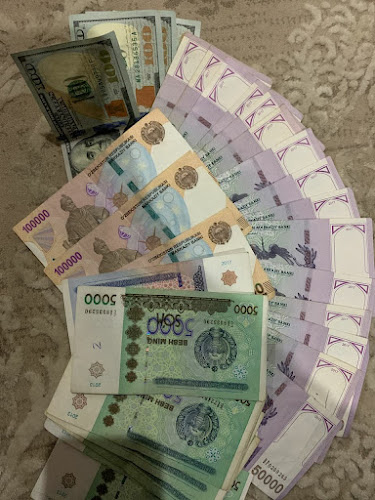
Cash remains king in this region. While Tashkent has embraced card payments to some degree, Andijan operates overwhelmingly on cash. ATMs exist in the main city but can be unreliable or run out of money, especially on weekends. Bring enough Uzbek som to cover your anticipated expenses, and keep smaller denominations handy since change can sometimes be an issue.
Accommodation options lean heavily toward local guesthouses rather than international hotels. This actually enhances the experience in my opinion, putting you in direct contact with Uzbek hospitality. But don’t expect the same amenities or booking convenience you’d find elsewhere. Many smaller guesthouses don’t maintain online presence, so advance arrangements through local contacts or tour operators might be necessary.
Dress conservatively, particularly when visiting any religious sites or rural areas. Uzbekistan isn’t as strict as some neighboring countries, but showing respect through modest clothing – covering shoulders and knees – goes a long way in building positive interactions. Women might occasionally receive unwanted attention, though it’s generally more curious than threatening.
Food safety deserves attention without becoming paranoid about it. Street food and market snacks are part of the authentic experience, but use common sense about which vendors you choose. Look for busy stalls with high turnover, avoid anything that’s been sitting in the sun for hours, and remember that your stomach might need a day or two to adjust to new bacteria even in perfectly safe food.
Photography etiquette matters more here than in tourist-saturated destinations. Always ask permission before photographing people, especially women and in markets. Many folks are happy to be photographed but appreciate being asked first. Government buildings and some infrastructure remain off-limits for photos – when in doubt, don’t point your camera at it.
The registration system in Uzbekistan requires foreign visitors to obtain registration slips from each accommodation. In larger cities this happens automatically, but in smaller guesthouses you might need to remind hosts. Keep all these slips – you’ll potentially need them when departing the country.
Flexibility should be your default mindset. Things operate on a different timeline here, plans change, and what should take an hour might take three. Fighting this reality only creates frustration. Embrace the slower pace, accept delays as opportunities to observe daily life, and remember that some of the best travel moments happen when plans go sideways.
Connect with local guides or contacts if possible before arriving. The region doesn’t have much tourist infrastructure yet, so personal connections dramatically enhance what you can access and understand. Even a local university student practicing English can open doors and provide context that transforms sightseeing into genuine cultural exchange.
Finally, bring genuine curiosity and openness. Andijan Region rewards travelers who approach it on its own terms rather than expecting it to conform to Western tourism standards. The region’s greatest asset isn’t monuments or museums – it’s the window into a way of life that’s increasingly rare in our globalized world.
 Real Journey Travels