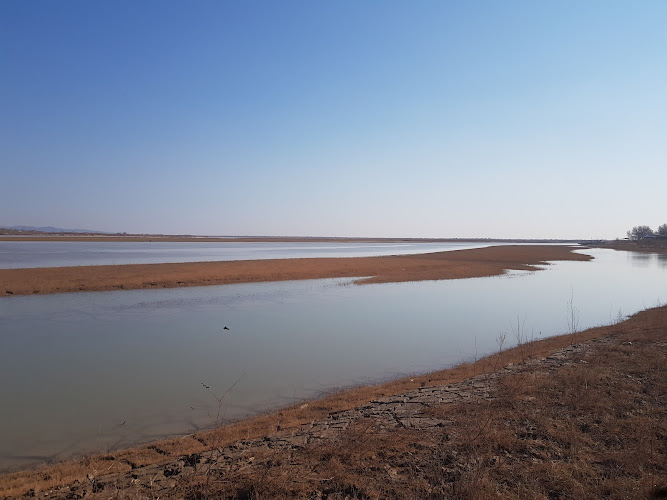
Description
Standing by the Amu Darya, you can almost hear the whispers of merchants and explorers who once crossed its waters. The river stretches roughly 2,575 kilometers (about 1,600 miles), winding its way toward what remains of the Aral Sea. It’s not just a river — it’s a witness to history. The Persians called it Jayhun, the Arabs Gihon, and the Greeks Oxus. Each name holds a layer of memory, a different perspective on the same eternal flow.
I remember the first time I saw it from the Turkmen side — the water shimmered under the sun like liquid bronze, the air dry and sharp. It’s easy to understand why so many travelers, from Alexander the Great’s soldiers to modern-day wanderers, have been drawn to its banks. Sure, it’s not the easiest place to reach, and the infrastructure isn’t always polished, but that’s part of its charm. The Amu Darya doesn’t cater to mass tourism; it rewards curiosity, patience, and a love for raw, unfiltered landscapes.
Key Features
- Historic Significance: Once the boundary of ancient empires and a key artery of the Silk Road, the Amu Darya has been central to trade and cultural exchange for millennia.
- Geographic Diversity: Originating in the Pamir and Hindu Kush mountains, the river flows through deserts, oases, and fertile valleys before reaching the remnants of the Aral Sea.
- Border River: It forms part of the natural boundary between Afghanistan and the Central Asian republics — a fascinating geopolitical and cultural meeting point.
- Wildlife and Nature: The river supports rare ecosystems, including migratory birds and unique desert flora that thrive along its banks despite the harsh climate.
- Cultural Heritage: Villages along the river still maintain traditional lifestyles, with mud-brick homes, handwoven textiles, and local markets that feel timeless.
- Adventure Opportunities: Ideal for offbeat travelers interested in eco-tours, photography, or exploring lesser-known sections of the Silk Road.
Best Time to Visit
Timing is everything when it comes to experiencing the Amu Darya. The best months to visit are from April to early June and September to October. During these periods, the weather is pleasantly warm without the punishing heat of midsummer or the biting cold of winter.
In summer, temperatures can soar above 40°C (104°F), making outdoor exploration a test of endurance. But if you’re like me and enjoy that dry, sun-baked feeling — the kind that makes the air shimmer — then even July has its appeal. Just bring plenty of water and a wide-brimmed hat. Spring, though, is when the riverbanks bloom with wildflowers, and the landscapes soften into shades of green and gold. It’s a photographer’s dream, honestly.
How to Get There
Reaching the Amu Darya depends on where you’re starting from and which part of the river you want to explore. The river flows through several countries, so your journey might begin in Tajikistan, Uzbekistan, Turkmenistan, or even northern Afghanistan.
For most travelers, the easiest access points are in Uzbekistan or Turkmenistan. From Khiva or Nukus in Uzbekistan, you can arrange local tours or private drivers to take you toward the river’s edge. The drive itself is an adventure — long stretches of desert punctuated by small villages and distant mountain silhouettes. If you’re traveling from Dushanbe in Tajikistan, the Pamir Highway offers breathtaking views as it snakes toward the river valleys.
Crossing borders along the Amu Darya can be tricky, so always check visa and permit requirements in advance. Some sections, particularly near Afghanistan, are off-limits or require special permissions. But that’s part of what makes the journey feel so real — it’s not a packaged tour, it’s an exploration.
Tips for Visiting
Visiting the Amu Darya isn’t like strolling along a European river promenade. It’s remote, unpredictable, and utterly captivating. Here are a few tips that might make your trip smoother (and a bit more magical):
- Bring essentials: Water, sunscreen, and a hat are non-negotiable. The sun here doesn’t play around.
- Hire a local guide: Not only will you get access to hidden spots, but you’ll also hear stories that don’t show up in guidebooks. I once met a fisherman who swore he’d seen ancient coins glinting in the riverbed after a storm — who knows, maybe he did.
- Respect local customs: Many communities along the river are conservative and deeply traditional. Dress modestly and always ask before taking photos.
- Be flexible: Roads may wash out, border posts might close unexpectedly, and plans can change. That’s part of the adventure. Go with the flow — literally and figuratively.
- Stay eco-conscious: The Amu Darya’s ecosystem is fragile, especially given the environmental challenges it faces. Avoid littering, and support local conservation initiatives if you can.
- Try local food: Simple meals of plov (rice pilaf), fresh bread, and tea by the river taste better than any five-star dining experience. Trust me on that.
And one last thing — don’t rush. The Amu Darya rewards patience. Sit by the water at sunset, watch the light fade across the plains, and you’ll understand why this river has inspired poets and conquerors alike. There’s a quiet strength to it, a reminder that even in the harshest landscapes, life finds a way to flow.
Sure, not every traveler walks away enchanted. Some find it too dusty, too remote, or too harsh. But for those who crave authenticity and a taste of ancient history under an open sky, the Amu Darya is unforgettable. It’s not polished, and that’s exactly what makes it worth the journey.
 Real Journey Travels