
Ambon Island
About Ambon Island
Description
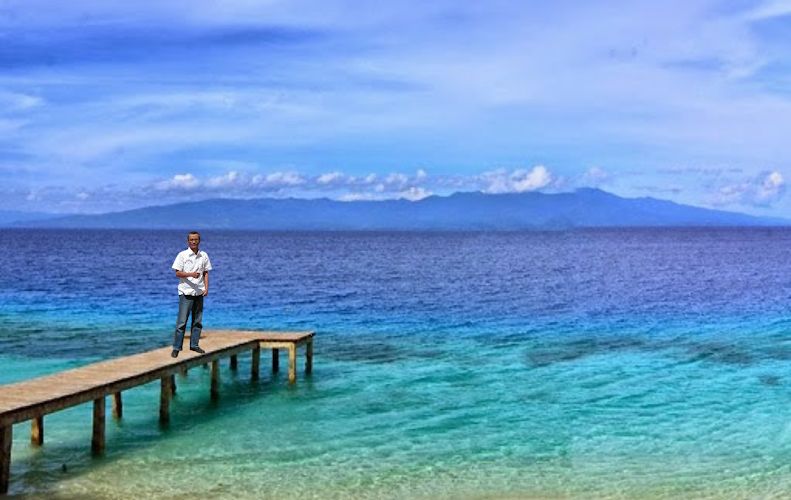
Ambon Island sits out in eastern Indonesia like it’s doing its own thing, and honestly, it kind of is. This is a lush, mountainous island that also happens to be home to the capital of Maluku Province, so you get an interesting mix of daily city life and raw tropical scenery rubbing shoulders with each other. One minute there’s traffic, morning markets, and school kids in uniforms. Ten minutes later, you’re staring at turquoise water so clear it almost looks fake, with forested hills rising sharply behind it.
The island has a population that’s big enough to feel busy but not so large that it overwhelms you. And that balance matters. Travelers often expect Ambon to be sleepy and rural, but it surprises people. There’s energy here, real local rhythm. Fishing boats come in early, motorbikes weave through town, and by late afternoon the beaches fill with families and friends watching the sun slide down into the Banda Sea. I remember sitting on a seawall once, sharing fried bananas with a stranger who insisted I needed more snacks. That kind of casual kindness sticks with you.
Geographically, Ambon is dramatic. Steep hills cut the island almost in half, forming deep bays that keep the sea calm in many spots. This shape has influenced everything, from how neighborhoods are built to how people get around. Roads wind and curve, sometimes hugging cliffs, sometimes cutting through dense greenery that smells faintly of wet leaves and salt. And yes, sometimes the traffic crawls. But then again, you’re in no rush. Ambon has a way of slowing you down whether you want it to or not.
Historically, Ambon has seen a lot. It played a major role during the spice trade era, which left behind forts, old churches, and stories that locals still talk about over coffee. Not everything in the past was easy, and the island has known periods of tension. But today, what stands out most is how proud people are of their home and how eager they are to show visitors the good, the bad, and the real side of island life.
Key Features
- Mountainous interior with jungle-covered hills and dramatic coastal views
- Clear, calm waters ideal for swimming, snorkeling, and diving
- Capital city atmosphere mixed with traditional villages
- Historic forts and colonial-era landmarks scattered around the island
- Beaches that range from popular local hangouts to quiet, almost empty stretches
- Strong food culture featuring fresh seafood, spices, and local comfort dishes
- Warm, talkative locals who tend to treat visitors like long-lost cousins
One thing worth mentioning here is the underwater life. Ambon Island sits in a region often referred to as part of the Coral Triangle, which basically means the marine biodiversity is off the charts. Divers travel long distances just for muck diving here, hunting for strange and beautiful creatures like flamboyant cuttlefish and pygmy seahorses. Even if you’re not a diver, snorkeling close to shore can feel like peeking into an aquarium. And yes, sometimes there’s trash near the city areas. That’s real life. But head a little farther out and the water cleans up fast.
Best Time to Visit
The best time to visit Ambon Island generally falls between September and April, when the weather is drier and the seas are calmer. That said, Ambon doesn’t follow weather rules perfectly. Rain can pop up when you least expect it, then disappear just as fast. I’ve had days where it poured for an hour and then turned into perfect beach weather by lunch. So flexibility is key.
Temperatures stay fairly steady year-round, hovering around the high 20s Celsius. It’s humid, no way around that. You will sweat. Everyone does. But evenings can be surprisingly pleasant, especially near the water where a breeze kicks in. If you’re coming mainly for diving or snorkeling, calmer months are your friend, since visibility improves and boat trips feel smoother.
Another thing to consider is local festivals and events. Ambon has a strong music culture, and when there’s a celebration, you’ll hear it before you see it. Drums, singing, and laughter carry far. Traveling during these times can add an unexpected layer to your trip. Hotels may fill up faster, sure, but the experience feels richer. And honestly, that’s what travel should be about.
How to Get There
Most travelers arrive in Ambon Island by air, landing at Pattimura Airport. Flights usually connect through major Indonesian hubs, and while schedules can change, access has improved over the years. Once you land, you’re close to the main city area, which is a relief after a long journey. No three-hour taxi rides here.
For those already traveling around eastern Indonesia, ferries and ships connect Ambon with nearby islands. These journeys take longer but offer a glimpse into how locals move around the region. It’s not luxury travel. Seats can be basic, schedules flexible (that’s putting it nicely), but the experience feels authentic. I once shared a ferry deck with a family transporting live chickens, and we all laughed when one escaped briefly. Not exactly in the brochure, but memorable.
Getting around the island itself is relatively straightforward. Motorbikes are popular, as are shared minibuses. Taxis are available too, though it helps to agree on a price first. Roads are mostly paved, but some routes into hillier areas can be rough. Still, the views often make up for the bumps.
Tips for Visiting
First, take your time. Ambon Island rewards slow travel. If you try to rush through attractions, you’ll miss the small moments that make the place special, like spontaneous conversations or roadside food stalls selling grilled fish wrapped in banana leaves.
Dress modestly when you’re away from the beach, especially in villages and city neighborhoods. It’s not about strict rules, just respect. Locals notice, and it affects how interactions go. And while people are friendly, learning a few basic Indonesian phrases goes a long way. Even a simple greeting can open doors, sometimes literally.
Food-wise, be adventurous but listen to your stomach. Fresh seafood is a highlight, and spicy dishes are common. If you’re sensitive to heat, ask first. And carry cash. ATMs exist, but they’re not everywhere, and machines sometimes run out of money. That’s just how it is.
Also, manage expectations. Ambon Island isn’t polished like some over-marketed destinations. You might see infrastructure issues, occasional power cuts, or beaches that aren’t perfectly maintained near urban areas. But if you’re willing to look past that, what you get in return is something more genuine. Real life, real smiles, and experiences that don’t feel staged.
Lastly, talk to people. Ask questions. Sit down, have coffee, share a story. Some of the best tips won’t come from guidebooks or blogs like this one, but from the person sitting next to you who’s lived here their whole life. And that’s where Ambon Island truly shines, not just in its landscapes, but in its people.
Key Features
- Mountainous interior with jungle-covered hills and dramatic coastal views
- Clear, calm waters ideal for swimming, snorkeling, and diving
- Capital city atmosphere mixed with traditional villages
- Historic forts and colonial-era landmarks scattered around the island
- Beaches that range from popular local hangouts to quiet, almost empty stretches
- Strong food culture featuring fresh seafood, spices, and local comfort dishes
- Warm, talkative locals who tend to treat visitors like long-lost cousins
More Details
Updated December 31, 2025
Table of Contents
Description
Ambon Island sits out in eastern Indonesia like it’s doing its own thing, and honestly, it kind of is. This is a lush, mountainous island that also happens to be home to the capital of Maluku Province, so you get an interesting mix of daily city life and raw tropical scenery rubbing shoulders with each other. One minute there’s traffic, morning markets, and school kids in uniforms. Ten minutes later, you’re staring at turquoise water so clear it almost looks fake, with forested hills rising sharply behind it.
The island has a population that’s big enough to feel busy but not so large that it overwhelms you. And that balance matters. Travelers often expect Ambon to be sleepy and rural, but it surprises people. There’s energy here, real local rhythm. Fishing boats come in early, motorbikes weave through town, and by late afternoon the beaches fill with families and friends watching the sun slide down into the Banda Sea. I remember sitting on a seawall once, sharing fried bananas with a stranger who insisted I needed more snacks. That kind of casual kindness sticks with you.
Geographically, Ambon is dramatic. Steep hills cut the island almost in half, forming deep bays that keep the sea calm in many spots. This shape has influenced everything, from how neighborhoods are built to how people get around. Roads wind and curve, sometimes hugging cliffs, sometimes cutting through dense greenery that smells faintly of wet leaves and salt. And yes, sometimes the traffic crawls. But then again, you’re in no rush. Ambon has a way of slowing you down whether you want it to or not.
Historically, Ambon has seen a lot. It played a major role during the spice trade era, which left behind forts, old churches, and stories that locals still talk about over coffee. Not everything in the past was easy, and the island has known periods of tension. But today, what stands out most is how proud people are of their home and how eager they are to show visitors the good, the bad, and the real side of island life.
Key Features
- Mountainous interior with jungle-covered hills and dramatic coastal views
- Clear, calm waters ideal for swimming, snorkeling, and diving
- Capital city atmosphere mixed with traditional villages
- Historic forts and colonial-era landmarks scattered around the island
- Beaches that range from popular local hangouts to quiet, almost empty stretches
- Strong food culture featuring fresh seafood, spices, and local comfort dishes
- Warm, talkative locals who tend to treat visitors like long-lost cousins
One thing worth mentioning here is the underwater life. Ambon Island sits in a region often referred to as part of the Coral Triangle, which basically means the marine biodiversity is off the charts. Divers travel long distances just for muck diving here, hunting for strange and beautiful creatures like flamboyant cuttlefish and pygmy seahorses. Even if you’re not a diver, snorkeling close to shore can feel like peeking into an aquarium. And yes, sometimes there’s trash near the city areas. That’s real life. But head a little farther out and the water cleans up fast.
Best Time to Visit
The best time to visit Ambon Island generally falls between September and April, when the weather is drier and the seas are calmer. That said, Ambon doesn’t follow weather rules perfectly. Rain can pop up when you least expect it, then disappear just as fast. I’ve had days where it poured for an hour and then turned into perfect beach weather by lunch. So flexibility is key.
Temperatures stay fairly steady year-round, hovering around the high 20s Celsius. It’s humid, no way around that. You will sweat. Everyone does. But evenings can be surprisingly pleasant, especially near the water where a breeze kicks in. If you’re coming mainly for diving or snorkeling, calmer months are your friend, since visibility improves and boat trips feel smoother.
Another thing to consider is local festivals and events. Ambon has a strong music culture, and when there’s a celebration, you’ll hear it before you see it. Drums, singing, and laughter carry far. Traveling during these times can add an unexpected layer to your trip. Hotels may fill up faster, sure, but the experience feels richer. And honestly, that’s what travel should be about.
How to Get There
Most travelers arrive in Ambon Island by air, landing at Pattimura Airport. Flights usually connect through major Indonesian hubs, and while schedules can change, access has improved over the years. Once you land, you’re close to the main city area, which is a relief after a long journey. No three-hour taxi rides here.
For those already traveling around eastern Indonesia, ferries and ships connect Ambon with nearby islands. These journeys take longer but offer a glimpse into how locals move around the region. It’s not luxury travel. Seats can be basic, schedules flexible (that’s putting it nicely), but the experience feels authentic. I once shared a ferry deck with a family transporting live chickens, and we all laughed when one escaped briefly. Not exactly in the brochure, but memorable.
Getting around the island itself is relatively straightforward. Motorbikes are popular, as are shared minibuses. Taxis are available too, though it helps to agree on a price first. Roads are mostly paved, but some routes into hillier areas can be rough. Still, the views often make up for the bumps.
Tips for Visiting
First, take your time. Ambon Island rewards slow travel. If you try to rush through attractions, you’ll miss the small moments that make the place special, like spontaneous conversations or roadside food stalls selling grilled fish wrapped in banana leaves.
Dress modestly when you’re away from the beach, especially in villages and city neighborhoods. It’s not about strict rules, just respect. Locals notice, and it affects how interactions go. And while people are friendly, learning a few basic Indonesian phrases goes a long way. Even a simple greeting can open doors, sometimes literally.
Food-wise, be adventurous but listen to your stomach. Fresh seafood is a highlight, and spicy dishes are common. If you’re sensitive to heat, ask first. And carry cash. ATMs exist, but they’re not everywhere, and machines sometimes run out of money. That’s just how it is.
Also, manage expectations. Ambon Island isn’t polished like some over-marketed destinations. You might see infrastructure issues, occasional power cuts, or beaches that aren’t perfectly maintained near urban areas. But if you’re willing to look past that, what you get in return is something more genuine. Real life, real smiles, and experiences that don’t feel staged.
Lastly, talk to people. Ask questions. Sit down, have coffee, share a story. Some of the best tips won’t come from guidebooks or blogs like this one, but from the person sitting next to you who’s lived here their whole life. And that’s where Ambon Island truly shines, not just in its landscapes, but in its people.
Key Highlights
- Mountainous interior with jungle-covered hills and dramatic coastal views
- Clear, calm waters ideal for swimming, snorkeling, and diving
- Capital city atmosphere mixed with traditional villages
- Historic forts and colonial-era landmarks scattered around the island
- Beaches that range from popular local hangouts to quiet, almost empty stretches
- Strong food culture featuring fresh seafood, spices, and local comfort dishes
- Warm, talkative locals who tend to treat visitors like long-lost cousins
Location
Places to Stay Near Ambon Island
Find and Book a Tour
Explore More Travel Guides
No reviews found! Be the first to review!
Traveler Reviews for Ambon Island
There are no reviews yet. Be the first one to write one.
Have you visited Ambon Island? Help other travelers by sharing your review.
You Might Also Like
Martapura River
Lamaru Beach
Manadotua Island
Find Accommodations Nearby
Recommended Tours & Activities
Visitor Reviews
There are no reviews yet. Be the first one to write one.
Share Your Experience
Have you visited Ambon Island? Help other travelers by leaving a review.